
Batch cooking can really help anyone focusing on fitness nutrition, whether meal prepping for workouts or just trying to stay on track during busy weeks. Setting aside a single session to prep, cook, and portion out multiple meals saves time and makes it way easier to stick to health goals. I’m breaking down batch cooking tips that work well for fitness focused nutrition so you’ll always have balanced, tasty meals ready to go.
“Here’s a little transparency: This post contains affiliate links. This means if you click and make a purchase, I may receive a small commission. Don’t worry, there’s no extra cost to you. It’s a simple way you can support my mission to bring you quality content.”
How Batch Cooking Supports Fitness Nutrition
Batch cooking doesn’t just save time; it also encourages healthier food choices and keeps those fitness nutrition goals front and center. Instead of scrambling for last minute meals, which can lead to quick takeout or less nutritious options, you’ll already have prepared meals that match your targets for protein, carbs, and veggies.
A big plus to batch cooking is the control it gives you over portion sizes and macros—the breakdown of protein, carbs, and fat. Since fitness nutrition often works around key goals like supporting muscle gain, weight loss, or endurance, having everything portioned and measured can really make a difference in staying consistent.
Batch cooking is popular in both the bodybuilding and CrossFit communities for a reason. It takes the guesswork and temptation out of the day to day, so you’re far more likely to eat to support your specific needs, without spending hours in the kitchen every day.
Getting Started With Batch Cooking
The setup can feel overwhelming at first, but with a bit of planning, batch cooking becomes second nature. I suggest starting with foods and recipes you already like and know how to make, then building on that routine.
- Plan Your Menus: Pick three or four meal options you’ll enjoy throughout the week. Focus on a balance of lean proteins, fibrous veggies, and complex carbs.
- Pick a Cooking Slot: Most people batch cook on Sundays or whichever day they’re least busy. Set aside 2–3 hours to shop, prep, and cook.
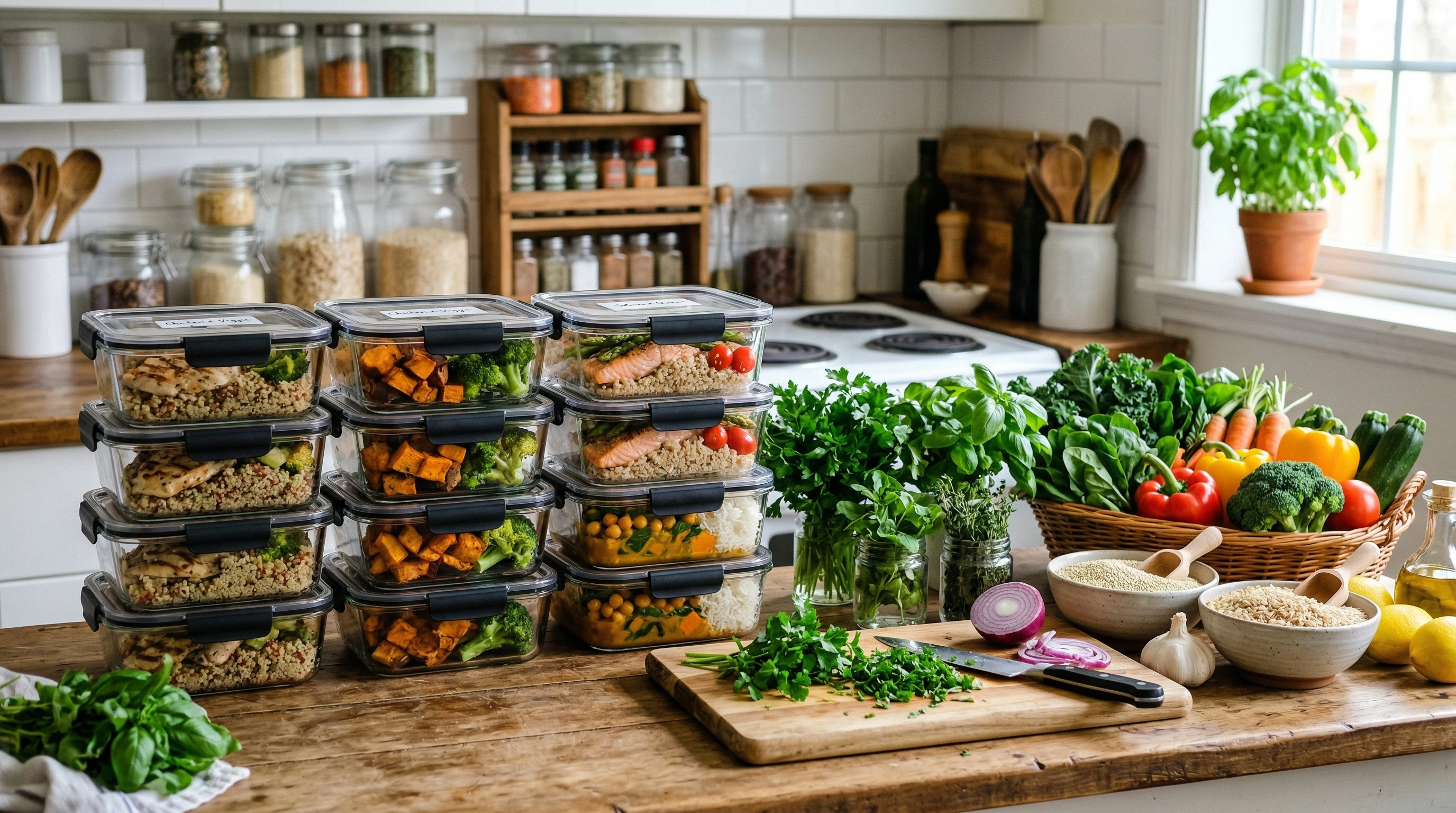
- Get the Right Containers: Invest in leakproof, stackable containers that make it easy to grab and go. Having matching sets makes storing and reheating simple, too.
When choosing your protein, grains, and veggies, try to mix in some variety so things stay interesting. For instance, rotating between chicken, fish, legumes, or tofu over the week provides a good mix of nutrients, and keeps your meals from feeling repetitive. This is one simple trick that helps you stay motivated and consistent.
Batch Cooking Step by Step
To smooth the way for your batch cooking process, here’s a simple flow for lining up meals efficiently:
- Shop Smart: Write a list based on your menu. Buying in bulk often saves money, especially on proteins, grains, and produce. Try shopping at local markets for fresher ingredients and to switch things up each week.
- Prep Ingredients: Chop all veggies, portion proteins, and set out required spices before you start cooking to speed things up. This assembly line process helps you move faster and keeps things organized.
- Cook in Batches: Use sheet pans for roasting, a slow-cooker or Instant Pot for stews and grains, and big skillets or grills for proteins. Cooking multiple foods side by side cuts down on kitchen mess and effort. If you have a grill or air fryer, these can pump up variety, too.
- Cool, Portion, and Store: Cool everything quickly to prevent sogginess, then divide into individual meal containers. Label with contents and dates before placing in the fridge or freezer. Keeping an eye on the freshness and rotation helps you avoid waste and always have good meals ready.
Meal Ideas That Work Well for Batch Cooking
Boredom can creep in with meal prep, so I rotate a few go to options that are easy to prep in bulk and taste great even after a few days. Here are a few crowd favorites:
- Sheet Pan Chicken & Veggies: Toss chicken breast, sweet potato, and broccoli with olive oil and roasted spices, then spread on a baking tray and roast. Swapping in different veggies or spices week to week gives this meal a fresh twist each time.
- Turkey Chili: Ground turkey with kidney beans, tomatoes, corn, and low sodium spices. Fast to make in a single pot and freezes easily. Add some avocado or a dollop of Greek yogurt when serving for a creamy finish.
- Brown Rice Stir Fry: Pre-cook brown rice, then quickly sauté diced chicken or tofu with frozen mixed vegetables and light teriyaki sauce. You can easily mix in some variety by trying different sauces or vegetables.
- Lentil Soup: Perfect for both lunch and dinner, with high fiber and protein. Make a huge pot and freeze single servings. Add greens or jalapeño slices for an extra kick.
- Stuffed Bell Peppers: Fill bell peppers with quinoa, lean ground protein, spinach, and spices. Bake and portion out for grab-a-ndgo lunches.
Mixing up your grains like swapping quinoa for rice or bulgur keeps the meal structure similar, but gives you different flavors and nutrition benefits. Roasting vegetables in different seasonings or using different sauces can also prevent burnout from eating the same flavors day after day.
Common Batch Cooking Challenges (and How to Solve Them)
- Food Gets Boring: Change up spices, sauces, and dressings weekly to add variety. Even a squeeze of lemon or a little hot sauce can make a difference. Letting friends or family pick a “wildcard” spice or sauce for the week helps bring in new options.
- Meals Lose Texture: To keep veggies crisp, undercook them slightly before storing. Add leafy ingredients (like spinach or herbs) just before reheating. Spread food out to cool quickly to prevent steam from building up and making things soggy.
- Not Enough Fridge Space: Stackable containers take up less room, and investing in a small chest freezer can be a pretty handy addition for lots of prep. Organize containers by day and use bins or baskets for easy access.
- Running Out of Ideas: Check out fitness nutrition blogs and Instagram pages for inspiration. Swapping recipes with friends is also fun and motivating. There are tons of social media challenges focused on healthy meal prep that you can join to keep momentum going.
Keeping Macro Goals in Mind
If you track your macros (protein, carbs, fats), weighing and logging your batch cooked meals helps avoid surprises at the end of the day. I’m a fan of using a simple digital kitchen scale as part of my prep routine. Apps like MyFitnessPal can make logging super easy; just enter ingredients as you prep and save the recipe for next time.
Food Safety Tips for Batch Cooking
Keeping meals both safe and tasty is pretty important, especially when storing food for several days.
- Always cool cooked food quickly. Spread out on shallow containers before refrigerating so heat can escape, and there’s no risk of bacteria growing.
- Store most meals in the fridge for up to three or four days, or freeze for longer term storage.
- Reheat meals all the way through (165°F/74°C or steaming hot) to make sure everything stays safe.
- Label meals with both the contents and the date you cooked it. This prevents confusion and helps you avoid eating forgotten leftovers.
Batch Cooking Equipment That Makes Life Easier
Good tools make batch cooking faster and tidier. Here are a few that I use and really appreciate:
- Large Baking Sheets: Perfect for roasting lots of chicken, fish, or veggies at once. Making multiple sheet trays at once covers meals for several days in just one bake.
- Slow cooker or Instant Pot: These are super useful for hands off cooking and big batch stews or grains. You can set it and forget it while you prep other things.
- Sharp Chef’s Knife: Chopping piles of veggies is less tedious with a solid, sharp blade. A good knife makes ingredients easy to prep and saves you time.
- Sturdy Meal Prep Containers: Go for glass or BPA free plastic, and make sure containers seal tightly to prevent leaks. Different sizes help with both single and family size meals.
Some batch cookers like using silicone muffin trays for making portable egg bakes or oat cups to grab on the run. Reusable freezer bags also save space when freezing soups, chilis, or marinated proteins.
Real Life Batch Cooking for Fitness: Anecdotes and Advice
I started batch cooking when evening workouts left me too tired to make anything healthy from scratch. My Sunday meal prep has now become a nonnegotiable part of my routine, and it’s kept me consistent with nutrition even through hectic life phases. Friends who train for endurance sports mention that prepping a big pot of brown rice, baked salmon, and roasted vegetables keeps them fully fueled with minimal weekday effort.
Nutritional coaches also recommend batch prepping balanced snacks, like protein balls or yogurt parfaits, to fend off those midafternoon cravings at work or in between training sessions. Mixing up different nuts, seeds, or dried fruit in your snacks keeps them interesting and satisfying.
Another handy habit is keeping a “grab bag” bin in the fridge with sliced raw veggies, boiled eggs, or low-fat cheese sticks for busy days when you need something quick, and healthy. This keeps healthy eating just as easy as grabbing packaged snacks, but with better nutrition built in.
Frequently Asked Questions
How long do batch cooked meals last?
Most cooked meals are good in the fridge for three to four days. Freezing extends shelf life up to two or three months for most foods, and the flavor stays solid if you seal things well.
Can I batch cook if I live alone?
Totally. I often halve recipes or just freeze extra portions for later. Single serving containers really help so you only defrost what you need.
What are good proteins to use for fitness focused batch cooking?
Lean chicken, turkey, tofu, legumes like lentils or black beans, and fish all work really well. Rotating between these options keeps meals interesting and meets a range of nutrition needs.
How do I keep from getting bored with my meals?
Switch your veggies, grains, and spices every week, or try a new recipe once in a while. Even changing sauces and dressings can give the whole meal a boost.
Final Thoughts
Batch cooking makes hitting fitness nutrition goals a whole lot easier, and frees up time throughout the week. Whether prepping for muscle gain, weight loss, or just healthy eating, a batch prep session each week helps keep your diet on track. It makes healthy choices the easiest option, and supports an energetic, consistent lifestyle.