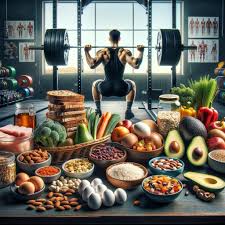
Strength training can totally reshape your fitness adventure, whether you want to lift heavier, build visible muscle, or just feel more energetic day to day. But what you eat is just as important as the hours you put in at the gym. I’m covering the best diet approaches for strength training, with practical advice that you can start using right away, no matter your starting point.
“Here’s a little transparency: This post contains affiliate links. This means if you click and make a purchase, I may receive a small commission. Don’t worry, there’s no extra cost to you. It’s a simple way you can support my mission to bring you quality content.”
The Basics: How Diet Powers Strength Training
Strength training puts a serious demand on your body, using up energy, breaking down muscle fibers, and calling for a steady supply of nutrients to help you recover and grow stronger. Eating the right mix of foods supports every part of your body’s adaption to lifting heavier and pushing harder.
Most people start strength training because they want to see noticeable results—more muscle, less fat, or simply feeling stronger. Getting your diet in line with your training helps you build muscle, speed up recovery, and minimize injury risk.
It’s also worth mentioning the mental boost a healthy, strength-focused diet can provide. The brain needs just as much fuel as your muscles, especially when focus and drive are needed for complex lifts. Balanced nutrition helps you stay sharp and motivated.
What Diet Works Best For Strength Training?
There isn’t a single one size fits all answer, but several popular diet approaches consistently show good results for strength training:
- Balanced Whole Foods Diet: Plenty of people see steady gains by sticking to a simple diet filled with lean proteins, whole grains, fruits, veggies, and healthy fats. It’s approachable, flexible, and easy to sustain long term.
- High Protein Diet: Focusing on protein helps a lot with muscle repair and growth. Many lifters shoot for more protein than the average diet, usually between 1.6-2.2 grams per kilogram of body weight daily.
- Carb Cycling: Some strength athletes adjust their carb intake based on workout intensity. High carb days fuel big lifting sessions, while lower carb days help with body composition or rest and recovery.
- Plant Based Strength Diet: You don’t have to eat animal products to build muscle. Combining legumes, soy foods, quinoa, and a wide variety of plant-based sources can do the trick, as long as you pay close attention to protein intake.
For most people, I recommend building your diet around whole foods, prioritizing protein, and adjusting carbs and fats based on your body’s energy needs and personal preferences.
A great thing about these diets is their flexibility. Vegetarian, vegan, or omnivore, you can find an approach that fits your training and health goals. Try exploring recipes and meal ideas from different eating patterns—switching up your menu keeps things interesting and can reveal nutrient rich foods you haven’t tried before.
Finding Your Optimal Macronutrient Ratio
Your body needs the right combination of three main nutrients: protein, carbohydrates, and fat to power through strength training. Here’s a basic breakdown:
- Protein: Super important for muscle repair and growth. Most strength-focused people need more protein than average, usually 15–30% of total calories, or about 1.6 to 2.2 grams per kilogram of body weight per day.
- Carbohydrates: Carbs are your main source of fuel during tough workouts. They help keep your performance high and recovery quick. Around 40–55% of your calories from carbs is a good ballpark, but if you have longer or more frequent sessions, you might lean toward the higher end.
- Fat: Healthy fats support hormone health (like testosterone), help absorb vitamins, and give you steady energy. Around 20–35% of total calories usually works well.
A practical example for someone doing regular strength training might look like: 30% protein / 45% carbs / 25% fat. You can tweak this based on your workout intensity, training goals, and how your body feels.
If you’re not sure where to start, try tracking your macronutrient intake for a week, then see how your energy and recovery respond. Small adjustments can bring great results over time.
The Best Foods For Strength Training Success
Choosing the right foods can make a real difference in how you perform and recover, without needing expensive shakes or fancy supplements. Here are foods I always recommend keeping in the kitchen:
- Lean Proteins: Chicken breast, turkey, lean beef, eggs, fish, Greek yogurt, tofu, tempeh, and lentils. These help repair and grow muscle after every workout.
- Complex Carbohydrates: Oats, sweet potatoes, brown rice, quinoa, whole grain bread, and beans provide energy for intense training. They also help keep blood sugar steady.
- Fresh Fruits and Veggies: Full of vitamins and antioxidants to help with recovery and strengthen your immune system. Spinach, broccoli, berries, oranges, and red bell peppers are great choices.
- Healthy Fats: Avocados, olive oil, nuts, seeds, and fatty fish like salmon keep hormones happy and help control inflammation.
- Hydration: Water is easy to forget about but plays a big part in muscle function, joint health, and recovery. Aim for at least 2 to 3 liters daily, more if you sweat a lot. You can also add hydration boosts from herbal teas, or infuse your water with fresh lemon or berries for some added flavor.
Including a variety of foods not only gives your muscles the tools they need but can keep your menus fun. Try new foods or cuisines—spices, herbs, and sauces can bring even simple meals up a notch.
Foods Worth Avoiding When Training For Strength
There’s some flexibility with diet, but some foods just don’t pull their weight for strength gains or may even get in your way:
- Highly Processed Foods: Chips, packaged pastries, sugary cereals, and most fast food options often contain a lot of trans fats, sugar, and empty calories that don’t supply the nutrients your muscles crave.
- Too Much Added Sugar: Extra sugar from sodas, energy drinks, and sweets can cause energy crashes and doesn’t help muscle growth.
- Fried Foods and Excess Fats: These can slow digestion, cause fatigue during workouts, and don’t offer a ton of helpful nutrients.
- Alcohol: Moderate amounts are usually okay, but drinking too much can mess with muscle recovery, sleep, and hormone levels. Those are all pretty important for making steady gains.
Remember, it’s about balance. You don’t have to give up all your favorite treats forever. Just keep them occasional rather than daily habits.
Quick Guide To Boosting Results With Smart Nutrition
Lifting heavier and feeling stronger usually comes down to simple, sustainable habits. Here are some practical steps I’ve found super helpful:
- Plan Your Meals Around Your Training: Try to have a balanced meal with protein and carbs about 1–2 hours before you lift. This boosts energy and reduces muscle breakdown. Planning meals can also help you avoid last minute choices that might not serve your training goals.
- Refuel After Your Workout: Have something with protein and carbs within two hours after your session to speed up recovery and muscle growth. Greek yogurt with fruit, a turkey sandwich on whole grain bread, or a tofu stir fry with brown rice work well.
- Track Your Progress: Writing down what you eat and how your body responds takes the guesswork out of the process. It’s easier to tweak things and keep what works. Use an app or a basic journal—whatever makes it easiest for you.
- Be Flexible: Everyone’s body reacts differently. Don’t stress if a certain food or macronutrient split doesn’t feel perfect. Adjust based on how you feel and perform.
- Focus On Consistency: Hitting your protein and calorie targets most days matters more than eating perfectly every meal. It’s progress over perfection. Celebrate the small wins—consistency is what builds big results.
On rest days, keep your meals balanced, but you can dial back carbs a little if you’re not as active. The main thing is regular protein and plenty of veggies, whether it’s a tough gym session day or not.
Key Things To Think About Before Changing Your Diet
Switching up your diet for strength training isn’t complicated, but there are a few handy reminders to keep you on track:
- Calorie Intake: To gain muscle, you usually need to eat a bit more than your body burns each day. If you’re not seeing progress, increasing daily calories (mostly from protein and carbs) can help. For those looking to lean out while building strength, it’s a delicate balance: slightly lower calories while prioritizing protein can help maintain muscle mass during fat loss stages.
- Supplement Wisely: Most nutrients should come from food, but some people find whey protein, creatine, or a multivitamin helpful. Always check with a nutritionist before adding anything new, especially if you have health concerns. Not everyone needs supplements, but they can offer a boost when schedules get busy or diets have gaps.
- Sensitivity and Allergies: If you notice bloating, stomach issues, or fatigue after certain foods, try cutting back on them or swapping for something else and see how you feel. Keeping a food journal can help you spot patterns and tweak your meals so they work better for you.
Sample High-Protein Meal
To give you an idea of what a solid strength-focused meal can look like, here’s one of my go-to combos:
- Grilled chicken breast (or tofu, if you’re plant-based)
- Steamed broccoli and roasted sweet potatoes
- Quinoa mixed with olive oil and fresh parsley
- A side of Greek yogurt, seasoned with cinnamon and berries for dessert
This meal packs protein, good fats, complex carbs, and a ton of fiber, fueling your body before or after a tough session.
Frequently Asked Questions About Strength Training Diets
What’s the best diet for strength training?
Building your diet with plenty of whole foods, lean proteins, complex carbs, veggies, and healthy fats works for most people. High-protein, well balanced eating patterns help fuel strength gains.
What’s the optimal macronutrient ratio for strength?
About 30% protein, 40–55% carbs, and 20–30% fat generally matches most people’s needs, but adjusting these numbers based on your body’s response is really helpful.
What are the best foods for strength training?
Lean meats, eggs, fish, tofu, legumes, brown rice, quinoa, sweet potatoes, berries, greens, nuts, and olive oil support muscle repair and steady energy.
Which foods should I avoid while strength training?
Regularly skip highly processed foods, sugary drinks, fried foods, and limit alcohol to support recovery and performance.
Last Words On Strength Training And Diet
Nourishing your body for strength training means eating for muscle repair, fueling for intense workouts, and giving yourself a recovery boost. Small, consistent changes in your food choices can make a big difference in your progress. Focus on what you can stick with; the results always follow the habits.