Staying properly hydrated isn’t just a good idea—it’s really important for any athlete. Keeping fluids in balance helps get the most out of training, improves performance, and can even help with faster recovery. I know from experience that when I’m low on hydration, I feel sluggish, my focus dips fast, and my muscles just don’t bounce back the same. Hydration matters no matter what sport you play. So, I’ll walk you through all the best hydration tips for athletes to keep you feeling strong and healthy on the field, court, road, or gym.
“Here’s a little transparency: This post contains affiliate links. This means if you click and make a purchase, I may receive a small commission. Don’t worry, there’s no extra cost to you. It’s a simple way you can support my mission to bring you quality content.”
Why Hydration Matters for Athletes
Water does a lot more in the body than most people realize. It keeps joints lubricated, helps move nutrients to where they’re needed, manages temperature, and flushes out waste. For athletes, sweat loss ramps up quickly during tough sessions or games. Once fluid levels dip, it doesn’t just mean thirst; dehydration causes a real drop in energy, endurance, and focus.
Studies say that even small dips in hydration (as little as 2% body weight lost as sweat) can make you slower, weaker, and less sharp mentally. It also puts extra stress on your heart and increases risk of heat exhaustion or heat stroke, especially during intense practices or hot weather games. Hydration plays a role in avoiding cramps and injuries, too. So, keeping up with water isn’t just helpful, it’s super important for anyone wanting to perform at their best.
Understanding Hydration and Fluid Loss
When you sweat, you’re losing more than just water. Sweat washes out electrolytes like sodium, potassium, and magnesium that help control muscle contractions, nerve function, and fluid balance. If you only replace water but not these electrolytes, you may start to feel off your game pretty quickly.
Here’s a simple way to tell if you’re staying hydrated: check the color of your urine. Light yellow is usually a good sign, while dark yellow or even amber can point to mild dehydration. Don’t use this method as your only guide, but it’s a pretty handy day-to-day tool.
Additionally, when you lose a lot of fluid, your blood becomes thicker, which means your heart works harder to pump it through your body. This leads to quicker fatigue and a dip in performance. Even mental sharpness drops off fast if you don’t replace both fluids and salts. Being aware of your sweat rate and how your body responds to workouts helps you adjust your hydration efforts.
How Much Water Should Athletes Drink?
Everyone asks this, and I know it’s a bit confusing since every body is different. How much you need depends on your age, size, climate, sweat rate, and intensity of activity. Start with about:
- Baseline: Around half an ounce to one ounce of water per pound of body weight each day. A 160-pound person might shoot for 80–160 ounces (2.3–4.7 liters) as a base, adjusting for workouts.
- Before Exercise: Aim for about 16–20 ounces of water 2–3 hours before your workout or event, plus another 8 ounces about 20–30 minutes right before you start.
- During Exercise: It’s smart to sip 7–10 ounces of water every 10–20 minutes. For extralong, hot, or high-intensity workouts (over 60 minutes), consider adding electrolytes with your fluids.
- After Exercise: Replenish with 16–24 ounces of water for every pound lost during activity. Weighing yourself before and after a tough practice can help dial this in over time.
Drinking too much can actually result in low blood sodium (a condition called hyponatremia), so listen to your body’s thirst and use the numbers above as a guide, not a strict rule.
Best Hydration Tips for Athletes
- Start Hydrating Early
If I wait until I’m thirsty during a game, it’s usually too late. Begin taking in water a few hours ahead of any planned session. This helps you top up reserves so you’re not trying to play catch-up once you’re already sweating buckets. - Carry a Water Bottle Everywhere
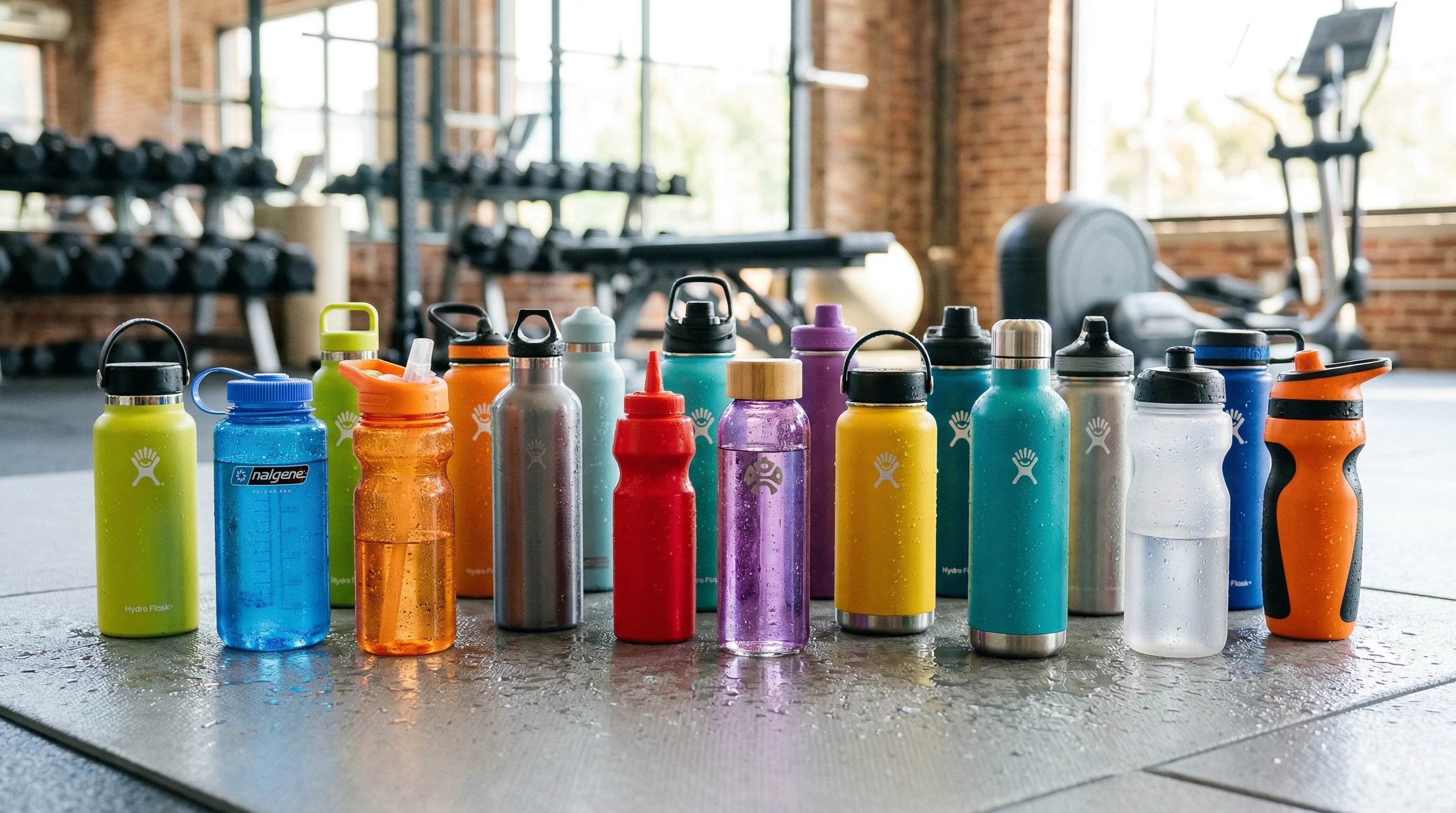
This sounds obvious, but it makes a massive difference. Having a bottle close by means it’s easier to sip often and stay topped up without forgetting. I use one with markings so I can keep track all day. - Add Electrolytes for Hard Workouts
For long practices, races, or very sweaty sessions, plain water might not be enough. Add a pinch of salt to your water or choose sports drinks with sodium and potassium. If you want a homemade option, mix water with a splash of pure fruit juice and a dash of sea salt. - Watch the Weather
Hot and humid days make you lose fluid twice as fast. Drink more than normal on those days and mix in icy water or sports drinks to help manage your body’s core temperature. - Eat Hydrating Foods
Not all hydration comes from what you drink. Foods like oranges, watermelon, cucumber, grapes, and celery are packed with water and provide some vitamins and minerals your body needs for recovery. Frequently eating these snacks can help keep your hydration on point, especially during heavy training periods.
Common Hydration Mistakes Athletes Make
- Waiting Until Thirsty: Thirst is a late sign. If you’re parched, you’re already a bit behind.
- Only Drinking During Workouts: Drinking just during practice doesn’t help much if you were running on empty to begin with. It’s more about keeping fluids steady before, during, and after.
- Ignoring Electrolytes: Training hard means your body dumps out sodium and potassium with sweat. Replacing these makes a difference, especially during long or hot sessions.
- Skipping Fluids When It’s Cold: People think dehydration only happens in the summer. Winter sports can sneak up on you since sweat evaporates quickly and you may not feel as thirsty. Wearing layers can actually make you sweat more in the cold, so be mindful year-round.
Hydration Challenges: What Gets in the Way?
Even with the best intentions, there are things that make staying hydrated tough for athletes:
- Travel: Airplanes and long drives are dehydrating. I bring a refillable bottle and keep sipping, even when I’m not moving much. It’s easy to forget, but environments like high altitude and dry airplane cabins can quickly dry you out, so staying consistent is key.
- Early Mornings: Early workouts can be the hardest since you’re starting a bit dehydrated after sleep. Drink a glass of water first thing before hitting practice to get a head start.
- Busy Schedules: If your day’s packed with classes, work, or meetings, it’s super easy to forget to drink. Set phone reminders or attach hydration breaks to routines, like before meals or after every set. Putting a water bottle on your desk is a small trick that works wonders.
- GI Sensitivity: Some people get an upset stomach when they drink too much before intense activity. Try sipping small amounts steadily instead of chugging right before you play. Experiment with timing and temperatures of your drinks to see what feels best for you.
Advanced Strategies for Serious Athletes
If you’re competing at a high level or training every day, these tools can take your hydration game up a notch:
- Monitor Sweat Rate: Weigh yourself before and after training (without clothes) and note how much fluid you lose. This helps you dial in your personal needs, especially for long events or multi-session days.
- Use Specialized Products: Some athletes like electrolyte tabs, powders, or mixes made specifically for rehydration. These often help replace key minerals lost in sweat without much added sugar. You might find certain flavors or brands suit your palate and your gut better too, so test them before key events.
- Try “Preloading” on Hot Days: If you know a race or practice will be super hot, increase water and sodium intake a little in the day before. This can help buffer against early dehydration and help you maintain your edge longer.
- Practice Fueling Before Competitions: Don’t try something new on race day when it comes to hydration tactics. Train with the drinks, mixes, and foods you’ll rely on so you know what works for your gut and energy. Consistency in your prep brings peace of mind on game day.
Real-World Examples and Practical Applications
- Team Sports: Soccer, basketball, and field hockey players often see multiple breaks during play; use these windows to sip, not guzzle, to minimize stomach issues.
- Endurance Athletes: Runners and cyclists benefit from easy access squeeze bottles and hydration packs. Many pros use predetermined “hydration stations” during races, sometimes practicing with these bottle handoffs in advance.
- Indoor Training: Gyms can get hot without you noticing. I see a lot of people skipping fluids indoors, but it’s just as important as outdoor sports. Keep a drink handy during your workout, especially during big lifting sessions or circuit training.
Frequently Asked Questions About Athlete Hydration
How do I know if I’m drinking enough?
Check your urine color, track body weight before and after training, and pay attention to signs like fatigue, dry mouth, or headaches. If you feel sharp and performance stays consistent, you’re usually on track.
Should I use sports drinks or just water?
For most normal workouts under an hour, water does the trick. When you’re training longer (over 60–90 minutes), sports drinks or homemade electrolyte mixes help replace what’s lost. Be careful with added sugars and choose options that actually fit your needs.
Can you drink too much water?
Yes, overhydrating can be a problem, especially if you ignore electrolytes. Spread your drinking through the day and adjust based on activity, temperature, and sweat. Check in with teammates or coaches if you’re concerned about getting the balance right.
Key Takeaways for Athletes
Athlete hydration works best with preparation and daily habits, not just rescue sips during workouts. Bringing a water bottle, eating hydrating foods, tracking electrolytes, and listening to your body can all make a noticeable difference. Set yourself up for success by making hydration simple and routine. By focusing on these habits, you’ll feel better, recover faster, and perform at your best almost every time. Remember, staying on top of your fluids is a game changer—whether you’re a weekend warrior or a serious competitor.