
Eating well without blowing your budget can feel like a balancing act, but it’s totally doable with some smart planning. Grocery prices are all over the place right now, and making healthy meals can seem tough if you’re watching your wallet. I’ve spent a lot of years getting creative with meal planning, so I can share what works, without making you feel like you’re stuck eating ramen every night. This guide covers how to make meal planning on a budget not only possible, but actually pretty easy once you have a system that works for you.
“Here’s a little transparency: This post contains affiliate links. This means if you click and make a purchase, I may receive a small commission. Don’t worry, there’s no extra cost to you. It’s a simple way you can support my mission to bring you quality content.”
Why Meal Planning Saves Money and Stress
Meal planning isn’t just about knowing what’s for dinner tonight. It’s a way to cut down on last-minute takeout orders and limit food waste. When you walk into the store with a plan, you’re way less likely to toss random stuff in your cart. That means fewer impulse snacks, less forgotten produce turning to mush in your fridge, and healthier, more affordable meals overall.
Research backs this up: households that plan meals tend to spend less and waste a lot less food. The average American household wastes about $1,800 a year on food that goes uneaten. A meal plan can shrink that number fast, helping you keep more money in your pocket while still eating well.
Getting Started With Budget Meal Planning
There’s no single right way to plan your meals, but starting with a basic framework helps. Focus on meals that use simple, filling ingredients—things like beans, rice, eggs, pasta, seasonal veggies, and affordable proteins. The trick is finding what your family actually enjoys eating so no one is tempted to ditch the plan for fast food.
- Step 1: Take Stock of Your Pantry
Before building your meal plan, check your pantry and fridge. Gather odds and ends, like half-used bags of lentils, cans of tomatoes, leftover veggies. Planning around what you already own means every dollar stretches further. - Step 2: Plan Meals for the Week
Pick simple breakfast, lunch, and dinner ideas for the week. Aim for versatile meals (like stir-fries, soups, or casseroles) that use overlapping ingredients. This keeps your shopping list short and avoids waste. - Step 3: Write a Grocery List (And Stick to It)
Write down exactly what you need. Organize it by sections (produce, dairy, pantry) to make your shopping trip faster. Having a solid list on your phone helps you skip aisles you don’t need.
Smart Grocery Shopping on a Budget
Savvy shopping is a big part of budget-friendly eating. Grabbing whatever looks good often means blowing your weekly max without even realizing it. Over the years, I’ve picked up a bunch of habits that keep my grocery spending under control, even with a hungry household.
- Shop Sales and Bulk Deals
Watch for weekly ads and stock up when basics like pasta, rice, canned beans, or frozen veggies drop to a good price. Bulk bins are awesome for grabbing just as much as you need, especially for grains, spices, and nuts. - Buy Store Brands
Generic or store-label products are usually just as good as the big name stuff. Sometimes they’re made in the same factories. Swapping to store brands can shave a surprising amount off your total. - Seasonal and Frozen Produce
Fresh veggies are great, but frozen or in season produce is often way cheaper and just as nutritious. Frozen fruits and veggies keep for months, so you don’t have to worry about spoilage.
Meal Planning Tips for Sticking to a Budget
Meal planning works best when it flexes with your lifestyle and keeps things realistic. I’m not a fan of plans so strict they leave zero room for cravings or nights when you’re just super tired. If you want your budget plans to stick, here are some ideas I keep coming back to:
- Double Up Recipes
Make a big batch of chili, soup, or pasta and eat it twice in the week. Leftovers are your friend; they save time, energy, and money. - Repurpose Ingredients
Let’s say you cook a whole chicken. Use it for roast chicken dinner, then shred leftovers for tacos, and simmer the bones for homemade broth. It’s a budget hack that builds in tons of flavor. - Keep Quick Meals on Hand
Canned tuna, peanut butter, eggs, or frozen veggies all work for cheap, fast meals. If your plan goes sideways, you’ve got a backup without hitting the drivethru. - Flexible “Theme Nights”
Assign basic themes like “Pasta Night,” “Taco Night,” or “Slow Cooker Sunday.” It narrows down your choices while still letting you mix things up, so you’re less likely to splurge or give up.
Common Challenges (And How to Get Past Them)
Even with a good system, real life stuff can trip up a meal plan. Schedules change, unexpected work calls, or maybe you just really want takeout pizza. Here are a few hurdles I’ve faced and some ways I’ve powered through:
- Lack of Time
Chopping and cooking after a long day sometimes feels impossible. Batch-prepping on weekends, like chopping veggies, marinating meat, or making grab-and-go breakfasts, can save a lot of weeknight hassle. - Picky Eaters
Different tastes can make planning hard. If you’ve got kids (or adults) with strong food opinions, keep base ingredients flexible. Build your own burrito bowls or baked potato bars can work for everyone. - Sticking to the Plan
It’s easy to get bored with the same meals. Swap in a new recipe every week or try cooking challenges (for example, “see what I can make from only pantry ingredients”). Variety keeps you (and your taste buds) motivated. - Food Waste
Throwing away fresh food hurts the budget. Use leftovers for lunches, and have a “clean out the fridge” dinner once a week with whatever’s left over.
Batch Cooking and Prepping Ahead
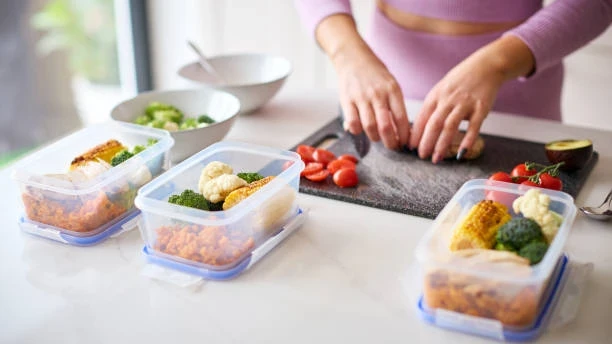
Batch cooking isn’t just a trend; you actually end up spending less, especially if you use slow cookers or instant pots. Cooking beans or rice in bulk and freezing what you don’t need can set you up for super quick meals later in the week. Prepping protein like shredded chicken or roasted vegetables ahead of time is another way to jumpstart meals and ease the dinner rush. If you find a great sale on ground beef or turkey, try cooking it all and freezing portions for tacos, spaghetti, or casseroles—now future dinners are halfway done.
Making the Most of Freezer Space
Freezing leftovers, homemade burritos, soups, or extra veggies means you always have food ready, preventing wasted cash on last minute food runs. Even bread can be frozen and toasted later, so don’t worry about buying the family sized loaf if it’s on sale. Portion individual servings into containers or freezer bags for grab-and-go lunches or easy dinners. Label and date your frozen meals to keep track of what you have; this helps you rotate food and avoid letting things get freezer burn. If you prep pancakes, waffles, or breakfast wraps in advance, those can be a lifesaver on busy mornings too.
Quick Budget-Friendly Meal Examples
- Vegetable Stir-fry: Use any combo of fresh or frozen veggies and toss with rice and a little soy sauce. Add a scrambled egg or leftover chicken if you want some protein.
- Lentil Soup: A big pot uses inexpensive dried lentils, carrots, onion, and spices—perfect for lunches all week.
- Egg Fried Rice: Leftover rice, mixed veggies, and eggs make a quick, filling dish that beats any takeout price.
- Pasta Primavera: Pasta tossed with whatever vegetables you have on hand, plus olive oil and garlic, never gets old.
>>> Click Here for 40+ extra recipes to keep your nutrition on track.
Real-World Examples of Budget Meal Planning
- Breakfasts: Overnight oats, eggs with toast, homemade muffins, or plain yogurt with fruit.
- Lunches: Leftovers, sandwiches with hummus and veggies, or simple salads with bulk ingredients (chickpeas, couscous, etc.).
- Dinners: Casseroles, soups, slow cooker stews, or stir-fries. Each one can be tweaked based on what’s in your fridge or pantry.
Frequently Asked Questions
Question: What if I don’t have time to cook every night?
Answer: Cooking big batches once or twice a week and relying on leftovers or freezer meals cuts down weeknight cooking to almost nothing. Prechopped veggies and timesaving appliances (like slow cookers or instant pots) are also pretty handy to get meals ready with minimal effort.
Question: How do I avoid eating the same bland foods every week?
Answer: Mix up your spices and sauces. Even basic rice and beans can taste super different with curry powder one night and salsa the next. Try one new recipe each week to keep things interesting.
Question: Is frozen produce as healthy as fresh?
Answer: Frozen fruits and veggies are picked at their peak and often have about the same nutritional value as fresh. They’re also usually cheaper and store much longer, making them a solid budget option.
Final Thoughts
Meal planning on a budget takes a bit of upfront effort, but it pays off big. Not only does it keep healthy food on the table, it really eases day-to-day stress and saving money can feel like a nice bonus. Start with what’s already in your pantry, keep meals flexible, and don’t be afraid to try new combos. Every family is different, so it’s all about finding what works for you, with room for treats and surprises, too. With a little trial and error, you’ll find your groove and your budget (and taste buds) will thank you.