
Building balanced meals is one of those habits that makes everyday nutrition feel a lot less confusing and a lot more enjoyable. When I first started really thinking about my own meals, getting the right mix of macronutrients—protein, carbs, and fat—felt overwhelming. I’ve since learned that it doesn’t need to be complicated or fussy. Creating meals with the right macro balance keeps you satisfied, provides steady energy, and supports your health goals, whatever they may be. Here’s how to combine macros effectively for meals you’ll want to actually eat.
“Here’s a little transparency: This post contains affiliate links. This means if you click and make a purchase, I may receive a small commission. Don’t worry, there’s no extra cost to you. It’s a simple way you can support my mission to bring you quality content.”
Why Balanced Meals Matter
Most of us have heard of macros, but there’s still some confusion about what that means for a weeknight dinner or a quick lunch. Each macronutrient plays its own part in how our bodies work. Protein supports muscles and helps you stay full. Carbs power you through workouts or busy days at work. Fats help with brain function and make food taste better. A balanced meal gets the most out of each group, which can make a difference in energy, focus, and even mood.
Research shows that mixing all three macros at each meal keeps blood sugar stable. That steadiness is one of the reasons you feel less hungry or tired between meals. Plus, combining macros helps you get a range of micronutrients—vitamins and minerals—that come naturally packaged with whole food sources of protein, carbs, and fat. Balanced meals can positively affect your immune system, help you recover better from workouts, and generally step up your well-being over time.
Breaking Down the Three Macros
Before putting together a balanced meal, it’s handy to know what counts as a protein, carb, or fat. Some foods cross categories (like beans, which give you both carbs and protein), but having a cheat sheet helps, especially when planning meals.
- Proteins: Includes meat, poultry, fish, tofu, tempeh, eggs, dairy, lentils, and beans.
- Carbohydrates: Includes grains such as rice, quinoa, bread, starchy veggies like potatoes or corn, fruit, beans, peas, and even yogurt.
- Fats: Includes oils, butter, avocado, nuts, seeds, olives, and fatty fish.
Many meals naturally include a mix of these, but sometimes one macro might take over. For example, a big bowl of pasta with just tomato sauce doesn’t provide much protein or fat. Adding a handful of chickpeas, a little grated cheese, or a drizzle of olive oil helps round things out. Small changes go a long way toward a solid balance.
Quick Guide to Building Balanced Meals
Making meals that meet your macro needs doesn’t mean carrying a food scale around the kitchen. Here’s a beginner friendly way I use to mentally check that my meals are balanced:
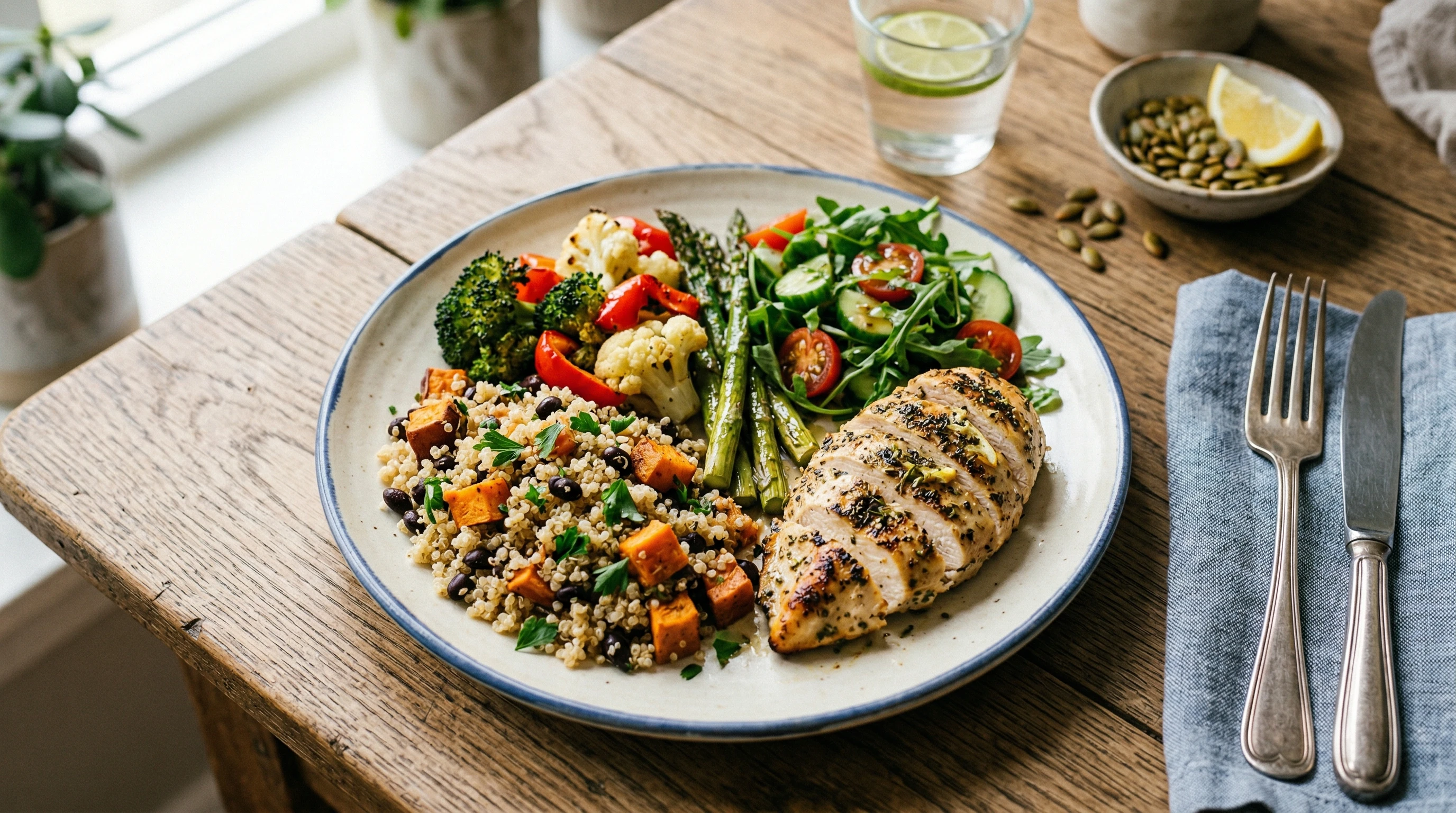
- Pick a protein: Fill about a quarter of your plate with a protein source you enjoy. Some ideas: grilled chicken, chickpeas, seared tofu, or salmon.
- Add a carbohydrate: Fill another quarter with starchy carbs or whole grains. Brown rice, baked sweet potatoes, or a slice of wholegrain bread all work.
- Include fat: Aim for a thumb sized portion if you’re measuring by hand. This can be a slice of avocado, a spoonful of nut butter, a drizzle of olive oil, or a scattering of seeds.
- Load up on color: Use the last half of your plate for non-starchy veggies or salad—think broccoli, tomatoes, leafy greens, or peppers.
This simple meal framework helps me put together plates that hit all three macros without overthinking. Adjust portions based on your needs and hunger levels. You don’t need a measuring cup—just some general guidelines and a willingness to experiment. Eating in this way also keeps meals interesting and varied, especially as you swap in seasonal produce or try new protein sources.
Things to Watch For When Combining Macros
Balance doesn’t happen perfectly at every meal. Some common challenges pop up, even for people who eat well most of the time:
- Carb heavy meals: Pasta, cereal, or toast without much protein or fat can leave you hungry soon after eating.
- Very low fat meals: Skipping fat can make meals unsatisfying, and sometimes leads to late night snack attacks.
- Underdoing protein: Meals that rely on just vegetables or grains can leave you short on protein, especially for folks with higher activity levels.
- Unintentional extras: Some add-ins, like heavy salad dressings or lots of cheese, can push fat content higher than you intended.
Carb Heavy Meals
Because carbs are everywhere, from bread and pasta to rice, fruits, and even dairy, they can make up a big part of meals without us realizing it. Eating mostly carbs raises blood sugar and sometimes leads to a crash later on. To bring balance, throw in some protein such as lentils, grilled fish, or tempeh, or add fat like olive oil, cheese, or nuts alongside the carbs to help keep your energy steady.
Low Fat Meals
Fat isn’t just about flavor, it keeps you full longer. Skimping on fats can make meals less satisfying. Toss some seeds on salads, add avocado to toast, or roast veggies with a bit of healthy oil to give meals the boost that keeps you going.
Light on Protein
Meals that go light on protein can leave you hungry pretty fast. One smart move is to plan a protein source for every meal, not just dinner. Try yogurt at breakfast or beans at lunch to even things out and support your muscles and fullness throughout the day.
Unplanned Extras
Healthy fats add satisfaction, but mindless dipping and extra dressings can add up. Being aware of portions helps keep everything in check. I keep a little bowl nearby for measuring nuts or seeds or use a spoon for oils and dressings so it’s still tasty but measured.
Over time, finding your best balance gets easier and more intuitive with a little experimentation and by keeping track of what meals work best for you.
Cool Tips and Swaps to Boost Macro Balance
Little changes make meals way more satisfying and macro friendly. Swapping or adding simple ingredients can help if a meal feels off. Here are my favorite ways to make sure every plate covers all the macro boxes:
Try Grain Blends: Mix quinoa with brown rice. Quinoa bumps up the protein, while rice keeps it fluffy.
Add a Topping: Chopped nuts or seeds not only add crunch, they bring in healthy fats and a bit of protein, too.
Layer Sauces: Pick sauces made with Greek yogurt or tahini instead of heavy cream for more protein without all the extra fat.
Bulk with Beans: Beans are that rare food that wins at both carbs and protein. Toss them in salads, soups, or stir-fries for double the macro support.
Sneak in Veggies: Cauliflower rice or zucchini-noodles add more fiber with your carbs and help round out a macro rich plate without much fuss.
Trying out these swaps helps meals feel new, boosts nutrition, and keeps things balanced without extra planning. It’s a simple way to mix up your routine and find what works for your cravings, too.
Real World Examples of Balanced Plates
Balanced meals pop up in all kinds of kitchens, from traditional to trendy. Here are a few easy ideas that cover all three macros:
- Breakfast: Scrambled eggs (protein and fat) with wholegrain toast (carbs) and avocado slices (fat). Add berries for a sweet touch and added fiber.
- Lunch: Grain bowl with brown rice (carbs), grilled chicken or tofu (protein), mixed greens, and a handful of pumpkin seeds (fat and protein).
- Dinner: Salmon (protein and fat) with roasted sweet potatoes (carbs) and sautéed broccoli tossed in olive oil (fat).
- Snack: Greek yogurt (protein and carbs) with sliced almonds (fat). You can add a scoop of whey protein for extra protein.
None of these require fancy recipes, and you can mix and match based on what’s in your fridge. It’s all about finding a combo that’s filling and leaves you energized.
>>> Here are 40+ extra recipes to keep your nutrition on track.
Frequently Asked Questions
The macro basics can spark plenty of questions, especially when you’re just getting started. Here are some popular ones people ask:
Question: How do I know what macro ratio is right for me?
Answer: Your best macro ratio depends on your age, activity level, health goals, and personal preferences. Many people feel good eating around 20–30% protein, 30–50% carbs, and 20–30% fat, but you can play around within these ranges. If you have medical conditions or specific goals like building muscle or losing weight, it’s smart to check in with a registered dietitian.
Question: Is it okay to eat meals where one macro is higher than the others?
Answer: Absolutely. Some meals will come out higher in carbs (like pasta night) or fats (like an olive oil rich salad). The big picture is what counts. Aim for balance over the whole day or week, not every single plate.
Question: Do I really need to count or track macros?
Answer: Tracking has its uses, especially if you’re training, troubleshooting energy dips, or learning what keeps you full and focused. After a while, most people find that simply building balanced plates gets the job done without the need for tracking tools.
Making Balanced Meals Your Daily Habit
Balanced meals aren’t about strict rules or complicated math. Combining protein, carbs, and fat in every meal is a simple, practical way to feel more energized and satisfied every day. Start with easy tweaks, like adding a protein or swapping in a healthy fat. With a little practice, you’ll notice improvements in how you feel. You’ll be fuller after eating, experience fewer energy crashes, and enjoy meals that actually keep you on track.
Balanced eating means flexible eating, and that’s what makes it sustainable long term. Play around with the ideas here, mix things up, and find the combinations that you look forward to eating. Your body and your taste buds will thank you. By taking up these habits one meal at a time, you make nutrition part of your everyday life—simple, satisfying, and adaptable to your needs.