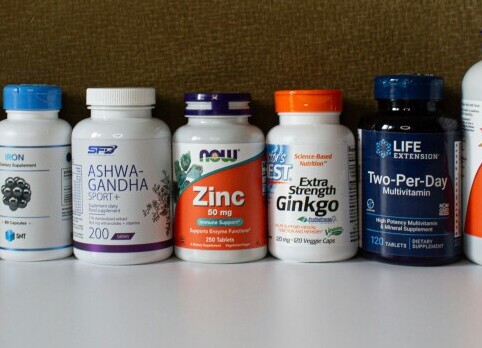
Staying active isn’t just about logging extra miles or sweating it out at the gym. Whether you training for a race, hitting the court for a pickup game, or even just keeping up with daily workouts, the vitamins fueling your energy and endurance play a big role. So today I’m sharing the key vitamins active individuals like me rely on for better performance, faster recovery, and overall wellness.
“Here’s a little transparency: This post contains affiliate links. This means if you click and make a purchase, I may receive a small commission. Don’t worry, there’s no extra cost to you. It’s a simple way you can support my mission to bring you quality content.”
The Role of Vitamins in Active Lifestyles
When I push my body through long runs or high intensity strength training, I’m not just burning calories. I’m also using up nutrients that support everything from muscle function to energy production. Vitamins help keep my immune system strong, aid in faster muscle repair, and support a steady energy supply. A balanced diet is a solid foundation, but it’s really important to know which vitamins deserve your focus when you’re active (and sweating a lot!).
According to the Academy of Nutrition and Dietetics, certain vitamins become extra important for people who work out regularly. Losses from sweat and increased metabolic demands can leave me running low if I don’t pay attention. That’s where smart nutrition comes in; it helps me recover faster and stay at the top of my game, week after week.
Key Vitamins for Active Individuals
- Vitamin C: Vitamin C assists with immune function, joint health, and lessening oxidative stress, especially during tough training periods. Sweaty workouts make you more susceptible to minor sickness, so keeping your vitamin C up, mostly with citrus fruits, peppers, and leafy greens, makes a noticeable difference.
- Vitamin D: This one’s really important for healthy bones and muscle function. If you spend a lot of time training indoors, you not always getting enough sun, which can put you at risk for low vitamin D. Load up on Vitamin D through fortified foods and supplements, especially during winter months or tough training blocks.
- B Vitamins (B6, B12, Folate): B vitamins power up my metabolism so I can convert food into energy efficiently. They also support muscle and nerve function, which keeps my performance and mood steady when workouts ramp up. Whole grains, lean meats, and eggs help me fill the gap, but I pay special attention to B12 since it’s mostly found in animal products.
- Vitamin E: For muscle repair and keeping soreness down, vitamin E comes in handy. It acts like an antioxidant, reducing free radical damage after exercise. I get vitamin E can be found in snacks like almonds, sunflower seeds, and spinach.
- Vitamin A: Good for vision (especially in early morning or late evening runs) and immune support. Carrots, sweet potatoes, and spinach are high in Vitamin A.
How These Vitamins Support Active Bodies
Every vitamin on that list helps you in different ways:
- Energy: B vitamins support your natural ability to turn carbs, fats, and proteins into usable energy, so you don’t crash during a workout or game.
- Immunity: Vitamins C, A, and D combine forces for immune strength. This keeps you from getting sidelined by colds that tend to crop up when you over train or travel.
- Muscle and Bone Strength: Vitamin D makes it easier for your body to absorb calcium, so your bones stay strong and you can handle frequent workouts without nagging injuries.
- Antioxidant Protection: Vitamins C and E limit the cell damage and soreness you sometimes feel after a really hard effort, so recovery moves faster and my muscles stay limber.
Common Vitamin Deficiencies in Active Individuals
Even with a varied diet, you may fall short on a few key vitamins. Here are some common shortfalls:
- Vitamin D: Particularly tricky for those who don’t spend much time in the sun or wear a lot of sunscreen. Low D levels can lead to sluggish recovery, frequent illness, or achy joints.
- Vitamin B12: If you eat mostly plant based, getting enough B12 is tough without supplements. Low B12 can sap your energy fast, which really shows up on long bike rides or HIIT sessions.
- Vitamin C: Most people think they get plenty, but when you burning more calories and sweat it out in hot weather, Vitamin C needs go up. Low C means more joint aches and a higher chance of catching a bug.
Tips for Getting More Vitamins From Food
Supplements are helpful when I have big training blocks or know my diet might fall short, but most of the time I focus on whole foods. Here’s how I make sure I’m getting what I need:
- Mix up the color in meals: Adding dark leafy greens, orange veggies, and red and yellow bell peppers isn’t just for looks; each color has a different vitamin profile, so more color usually means more variety!
- Add nuts and seeds: Handfuls of almonds, walnuts, or sunflower seeds are a super easy way to boost both vitamin E and healthy fats post workout.
- Include fortified foods: Things like oatmeal, cereal, or plant milks are often fortified with vitamin D and some B vitamins, and can make breakfast a simple way to fill in the gaps.
- Look for seasonal produce: In season fruits and veggies usually have higher vitamin content due to fresher harvest and less travel time. This trick also keeps meals interesting.
Potential Challenges and How I Overcome Them
- Busy Schedules: I don’t always have time to cook elaborate meals. Prepping snack bags of nuts, cut up veggies, and fruit helps me snack smart between activities.
- Restricted Diets: For friends who skip animal products, B12 fortified foods or a reliable supplement are worth adding in. Also, vitamin D from fortified juice or milk substitutes makes a big difference.
- Travel: Eating well while on the road is tough. Try packing a “vitamin kit” with all your go to supplements, and grab fruit rich smoothies or simple salads at rest stops or airports.
Special Considerations for Women and Older Athletes
Women and older adults might need a closer eye on vitamin D and B vitamins. I recommend getting bloodwork now and then and chatting with a nutritionist to catch gaps early. Postmenopausal women, for example, have higher calcium and vitamin D needs to reduce bone loss.
Advanced Tips for Vitamin Optimization
- Pairing for Absorption: I learned that vitamin D boosts calcium absorption, so pairing salmon or eggs with leafy greens packs a solid nutritional punch. Eating healthy fats with vitamin A or E rich produce also increases uptake.
- Timing Matters: Some vitamins like C and B are water soluble and best spaced out during the day. Try splitting your citrus, berries, and fortified foods across breakfast and snacks to avoid wasting any extras my body can’t store.
- Working With a Dietitian: If you training hard for a big event or not feeling your best, a registered dietitian can really help you tailor vitamins and minerals to your training plan. There’s a lot of value in personalized tweaks, especially once activities get more demanding.
Frequently Asked Questions
Question: Can I get enough vitamins from food if I’m really active?
Answer: Most people can, especially by eating lots of colorful produce, lean proteins, and whole grains. Tough training, dietary restrictions, or certain health conditions can make supplements a smart backup. That’s something to do around big races or intense training blocks.
Question: Is it possible to take too many vitamins?
Answer: Definitely. Fat soluble vitamins like A, D, E, and K can build up if you overdo supplements. That’s why I choose food sources first, and if I use supplements, I always stick to recommended amounts.
Question: How do I know if I have a vitamin deficiency?
Answer: Low vitamin levels sometimes show as tiredness, frequent sickness, or slow workout recovery. Blood tests from a healthcare provider are the best way to be sure. Best to get checked out if you notice any of those signs sticking around for a while.
Staying Motivated and Healthy With the Right Vitamins
Giving my body the right vitamins is a practical way to keep up with my active lifestyle. I keep meals colorful, focus on whole foods, and stay aware of times when supplements might help me bridge a gap. Balancing activity, nutrition, and rest keeps me feeling my best, helping me enjoy every run, ride, or workout session even more. With a little planning and attention to nutrition, anyone can support their active days and maximize their results—all while feeling good inside and out.