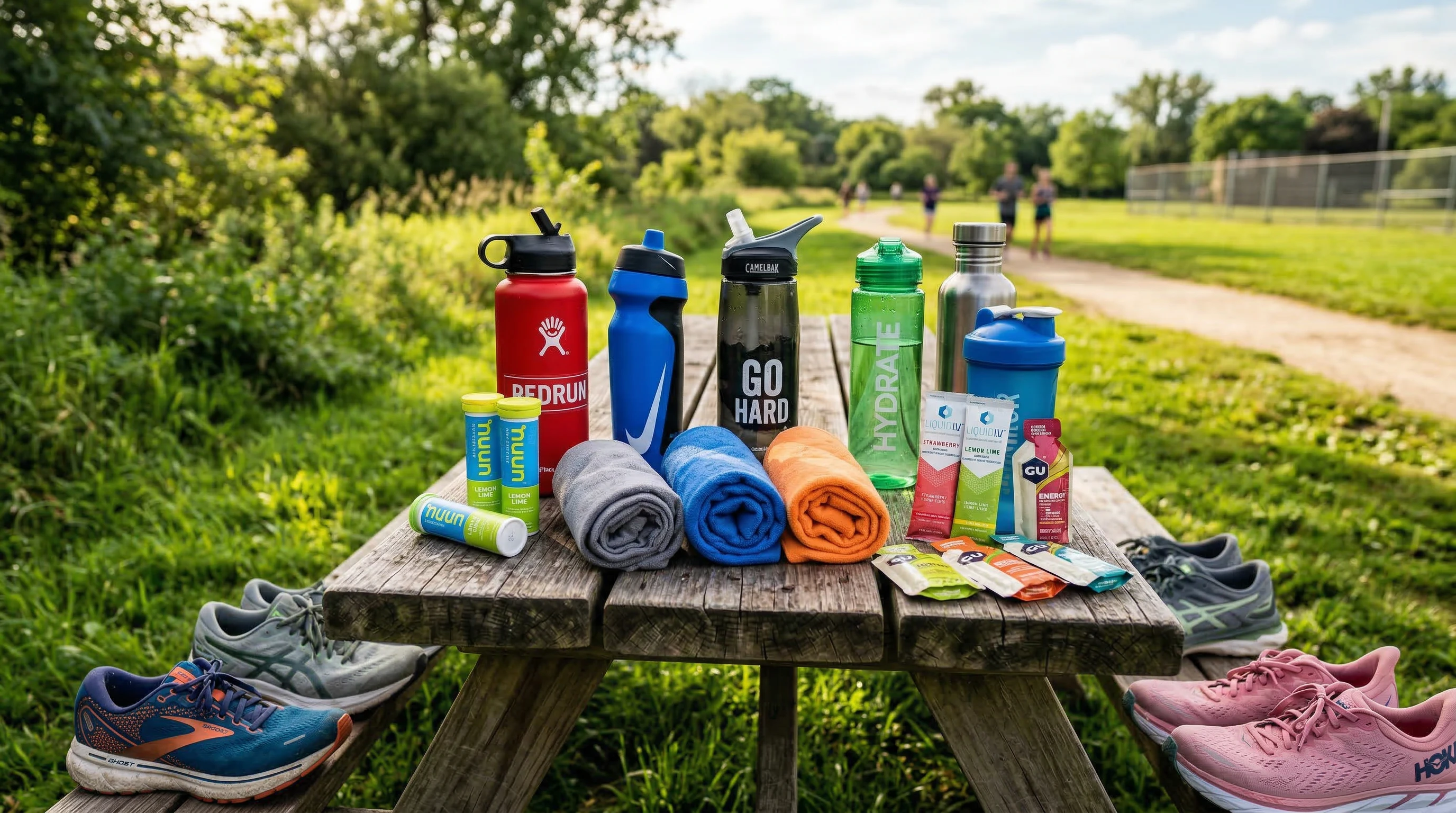
Dehydration doesn’t usually get top billing when people talk about physical performance, but it’s actually a pretty big factor. Even a small drop in hydration levels can slow you down, cut into your energy, and make exercise or sports feel a lot harder than they need to be. Staying properly hydrated isn’t just for marathon runners or pro athletes; it matters for anyone who wants to get the best out of their body and avoid some not-so-fun health issues.
“Here’s a little transparency: This post contains affiliate links. This means if you click and make a purchase, I may receive a small commission. Don’t worry, there’s no extra cost to you. It’s a simple way you can support my mission to bring you quality content.”
Why Proper Hydration Matters for Your Body
Water plays a big part in how well your body performs. It’s involved in controlling your temperature, moving nutrients around, and keeping joints cushioned. When you work out or sweat, you lose water fast. If you don’t top it up, your whole system has to work a lot harder.
When people push through their workout without drinking enough, muscles get tired faster, your heart pumps less efficiently, and overheating creeps up sooner. Scientists and sports medicine experts have checked out this, and the link between hydration and peak performance is pretty clear. If you’re even a little bit dry, it doesn’t just impact how you feel— it changes how your body works at every level.
How Does Dehydration Impact Physical Performance?
Dehydration makes your body less efficient in all sorts of ways. One of the first things you might notice is that your strength and endurance feel off. This happens because your muscles rely on water for things like contractions, getting rid of waste, and keeping the blood flowing well. Less water in your blood means your heart has to work harder to get oxygen to your muscles, and everything just feels heavier and slower.
Skills that need focus or quick reactions also tend to slip when you’re dehydrated. Your body’s ability to keep cool by sweating also drops, so your core temperature climbs faster, which makes fatigue set in earlier. This can turn a solid run or game into a lot more of a struggle than it has to be. Even mild dehydration, in the range of just 2% loss in body weight, can pack a punch here.
- Lack of focus: Your brain needs water too, so thinking clearly and reacting fast can get harder.
- Drop in power: Explosive moves or heavy lifts might not happen as easily or safely.
- Risk of heat-related illness: If you get too hot and can’t sweat enough, your risk for heat cramps, exhaustion, or worse goes up.
Making hydration part of your routine (not just when you’re thirsty) is an easy way to protect your performance, whether you’re in the gym, out on the field, or even just on your feet all day for work.
What Are the 7 Signs of Dehydration?
Not everyone gets the same dehydration symptoms, but some signs pop up again and again. Here are seven to look out for:
- Dry mouth and tongue: Feeling parched is the obvious one. If your mouth feels sticky, it’s usually your body’s way of nudging you to drink up.
- Dark yellow urine: If your pee looks more like apple juice than lemonade, you’re probably low on water.
- Fatigue: Low energy and heavy legs often show up even before you feel thirsty.
- Dizziness or lightheadedness: Standing up too fast and seeing stars can mean you need water.
- Headache: Dehydration can shrink brain tissue a bit, which triggers pain.
- Muscle cramps: Your muscles fire less smoothly without enough fluids and electrolytes.
- Rapid heartbeat: Your body may try to compensate for thicker blood by speeding up your heart.
Other signs like confusion, dry skin, and extreme thirst point to more serious dehydration and need quick attention. It’s a good idea to be mindful of these before exercise, during activity, and while recovering. Checking your hydration status regularly can help you avoid crossing into dangerous territory, and can actually be a simple part of your fitness routine. Carrying a refillable bottle and making hydration a habit, just like warming up or stretching, goes a long way in preventing these issues.
How Does Dehydration Affect You Physically?
Dehydration takes a toll on almost every body system. Blood thickens up a bit and flows more slowly, so your heart ends up beating faster just to do its job. This means it doesn’t get oxygen around as efficiently, and muscles start to tire out early. It’s common to feel sluggish, slow, and uncoordinated. Even small, repetitive tasks can get harder as dehydration switches up your attention and mood.
Muscle tissue is made of up to 75% water, so it’s easy to see why cramps or weakness show up if you’re not drinking enough. Recovery also slows down; where you might bounce back from a tough set of squats or a game pretty quickly when hydrated, dehydration can leave you sore and dragging long after you stop moving.
On a bigger scale, repeated dehydration over weeks or months can contribute to more injuries like sprains and strains. Joints rely on fluid to move smoothly, and less fluid means more friction and more risk.
Other Effects on Physical Health
- Increased risk for heat fatigue: It’s harder for your body to keep cool if you’re low on fluids.
- Lowered blood pressure: If you stand up quickly and get dizzy often during sports, dehydration could be the reason.
- Slower recovery times: Muscles repair and replenish better with enough water.
Keeping hydrated helps your whole body bounce back, whether from a workout, a long hike, or just a hot day outdoors. It can even help your immune system work better, since proper hydration keeps everything moving smoothly and helps flush out waste.
How Much Water Is Enough? (Is 3 Liters a Day Too Much for Athletes?)
The question of how much to drink comes up a lot, especially for athletes. The quick answer is that the right amount depends on your body size, how much you sweat, your activity level, and even the weather. That being said, 3 liters (about 13 cups) per day usually isn’t too much for most athletes, especially on days with lots of sweating or endurance activities. In fact, some athletes need even more, particularly if they’re training in the heat or for long periods.
What’s really important isn’t just hitting a specific number, but spreading water intake over the day and paying attention to thirst and signs from your body. Chugging a lot at once can make you feel sick and doesn’t work as well as drinking regularly. If you’re worried about overdoing it, watch for signs of overhydration such as clear urine, bloating, or nausea. Balancing your water with electrolytes (like in sports drinks or salty foods) helps your body make the most of what you drink.
It’s also wise to adjust your intake if you’re in hot or humid environments, performing at higher altitudes, or taking part in long events. Everyone’s sweat rate is a little different, so what works for someone else may not be perfect for you—listen to your body’s feedback and use practical checks like urine color and energy levels. Don’t be afraid to experiment within a healthy range to find what keeps you feeling your best.
Common Hydration Myths
Hydration myths bounce around all the time. Here are a couple I hear a lot:
- Myth: Thirst means you’re already dehydrated.
While thirst is a warning, it doesn’t always show up right away. Starting activity already hydrated is smart, and taking small sips along the way works better than waiting until you feel dried out. - Myth: Guzzling water during workouts is risky.
Drinking moderate amounts as you go is good for performance and safety. Just don’t overdo it; sip, don’t chug.
For more on hydration and exercise, check out resources from the CDC and National Institutes of Health.
Hydration Tips for the Active
Trying to stay ahead of dehydration doesn’t need to be complicated. Here are my go-to tips that have worked for lots of people I know, both athletes and everyday folks:
- Start hydrated: Drink water before physical activity, not just during or after.
- Sip during exercise: Aim for a few gulps every 15 to 20 minutes, depending on how much you sweat.
- Check your urine: Pale yellow? You’re in good shape. Dark? Time to up your fluids.
- Eat hydrating foods: Fruits, veggies, and soups add up and help keep you topped off.
- Balance with electrolytes: For hard workouts, mix in a sports drink or a pinch of salt (Preferably Sea Salt or Himalayan Pink Salt)with your water.
- Don’t wait for thirst: Set reminders or carry a refillable water bottle to prompt yourself.
Building water into your routine helps make hydration automatic. On long outings, pack more than you think you’ll need and plan for refills. If you struggle to drink plain water, try flavoring it with lemon or fresh fruits to make it more appealing. Remember, good hydration habits aren’t just about performance; they also help with focus, mood, and even digestion. Over time, these small steps can support both your athletic goals and daily wellbeing.
Frequently Asked Questions
Question: How does dehydration impact physical performance?
Answer: Dehydration lowers your endurance, slows down your reaction time, and makes your muscles feel tired faster. You might feel weaker, lose coordination, and notice your heart working harder. Even small drops in hydration can affect how well you move and focus, and recovery can take longer.
Question: What are the 7 signs of dehydration?
Answer: The main signs are dry mouth, dark urine, fatigue, dizziness, headache, muscle cramps, and a rapid heartbeat. Some people also get brain fog or confusion.
Question: Is 3 liters of water a day too much for athletes?
Answer: For most athletes, 3 liters a day is a pretty reasonable amount, especially on days with lots of activity or sweat. Some may need even more. It’s important to listen to your body and adjust for hot weather or long sessions.
Question: How does dehydration affect you physically?
Answer: Dehydration affects your muscles, your ability to regulate temperature, and your energy levels. It can leave you feeling tired, dizzy, and more likely to get cramps, plus it slows down recovery and can raise your chances of injury.
Bottom Line on Hydration for Performance
Staying hydrated helps you move, think, and recover better every day; whether you’re a gym regular, team player, or just tackling a busy day. Keeping a water bottle handy and making it part of your routine makes a surprising difference in how you feel and perform. If you ever wonder if you’ve had enough, your body usually lets you know. Just look for those early signs and top up as needed.