Staying hydrated is something just about everyone hears about, but how much water should you actually be drinking every day? Between the bottles, fancy apps, and endless charts, it’s easy to get mixed signals. I’m here to share some straightforward info about hydration, how much water your body really needs, and practical tips for fitting it into your own routine, no matter your lifestyle.
“Here’s a little transparency: This post contains affiliate links. This means if you click and make a purchase, I may receive a small commission. Don’t worry, there’s no extra cost to you. It’s a simple way you can support my mission to bring you quality content.”
Why Your Body Needs Water Every Day
Water plays a super important role in almost every part of your health. It helps keep your temperature regulated, cushions your joints, gets rid of waste, and helps your cells do their thing. If I don’t get enough water, I notice pretty quickly: my energy drops, it’s harder to focus, and I just feel sluggish overall.
About 60% of my body is made up of water, which is a pretty wild fact when I first learned it. Even a slight drop in that water level, sometimes just a few percent, can start affecting how I feel. Water supports nearly every major system in your body, from maintaining healthy blood pressure to supporting the digestive and circulatory systems. Additionally, every organ—including your brain and heart—relies on water to let nutrients travel and waste leave your body efficiently.
>>> Click here For the freshest-tasting water free from impurities.
How Much Water Should You Drink Every Day?
There isn’t one “perfect” number for everyone, but I see the classic advice a lot: aim for eight 8-ounce glasses (the “8×8 rule”). This comes out to about 2 liters, or half a gallon a day. It’s an easy goal to remember, but the truth is, water needs depend on things like age, gender, how active I am, and even the climate I live in.
The Centers for Disease Control and Prevention (CDC) and the National Academies of Sciences, Engineering, and Medicine suggest daily water intake (from all beverages and food) of about:
- Men: 3.7 liters (about 125 ounces)
- Women: 2.7 liters (about 91 ounces)
This includes water you get from food too—fruits, veggies, soup, and even coffee or tea all count. On average, I find that about 20% of my daily water actually comes from food. Foods like lettuce, oranges, strawberries, and soup deliver a good chunk of fluid without you even thinking about it.
What Affects How Much Water You Need?
Some days, my body just needs more water than usual. Here’s what usually makes me reach for an extra glass:
- Activity level: If I’m working out, playing sports, or even walking a lot, I’ll need more water to replace what I sweat out. Intense cardio or activities in the sun can up your needs even more.
- Weather: Super hot or humid days mean I’m sweating more, so I need to bump up my water intake. Dry climates or heated, air-conditioned spaces can also zap moisture from your body faster than usual.
- Health: Feeling sick (especially with a fever or after stomach issues) often means I’m losing water faster. Medications like diuretics can make you lose fluids quickly as well.
- Pregnancy/breastfeeding: According to health experts, anyone pregnant or breastfeeding usually needs extra water daily. The body is working hard to support another life, so daily needs go up as a result.
Signs You Might Not Be Drinking Enough Water
It isn’t always obvious, but there are some clear warning signs that my body gives me if I’m not drinking enough:
- Dark yellow pee (lighter is usually better, but neon yellow can be from vitamins)
- A dry, sticky mouth
- Feeling tired or somewhat sluggish
- Headaches or feeling dizzy
- Less frequent bathroom trips
If I’m noticing any of these, I try to boost my fluids during the day. Sometimes a few sips every hour works better than chugging a whole bottle at once. Infrequent urination or feeling confused can be more severe red flags, especially for older adults or kids, so keeping an eye out is key.
>>> Get your required intake of the freshest water with this top selling water filtered dispenser.
Ways to Fit More Water Into Your Routine
Staying hydrated doesn’t have to mean carrying around a huge jug all day (unless that works for you). Here are a few things I’ve tried that make a real difference:
- Start and end your day with water: I keep a glass by the bed so it’s easy to drink a bit in the morning and before bed. This is a no-fuss way to sneak in extra fluids without effort.
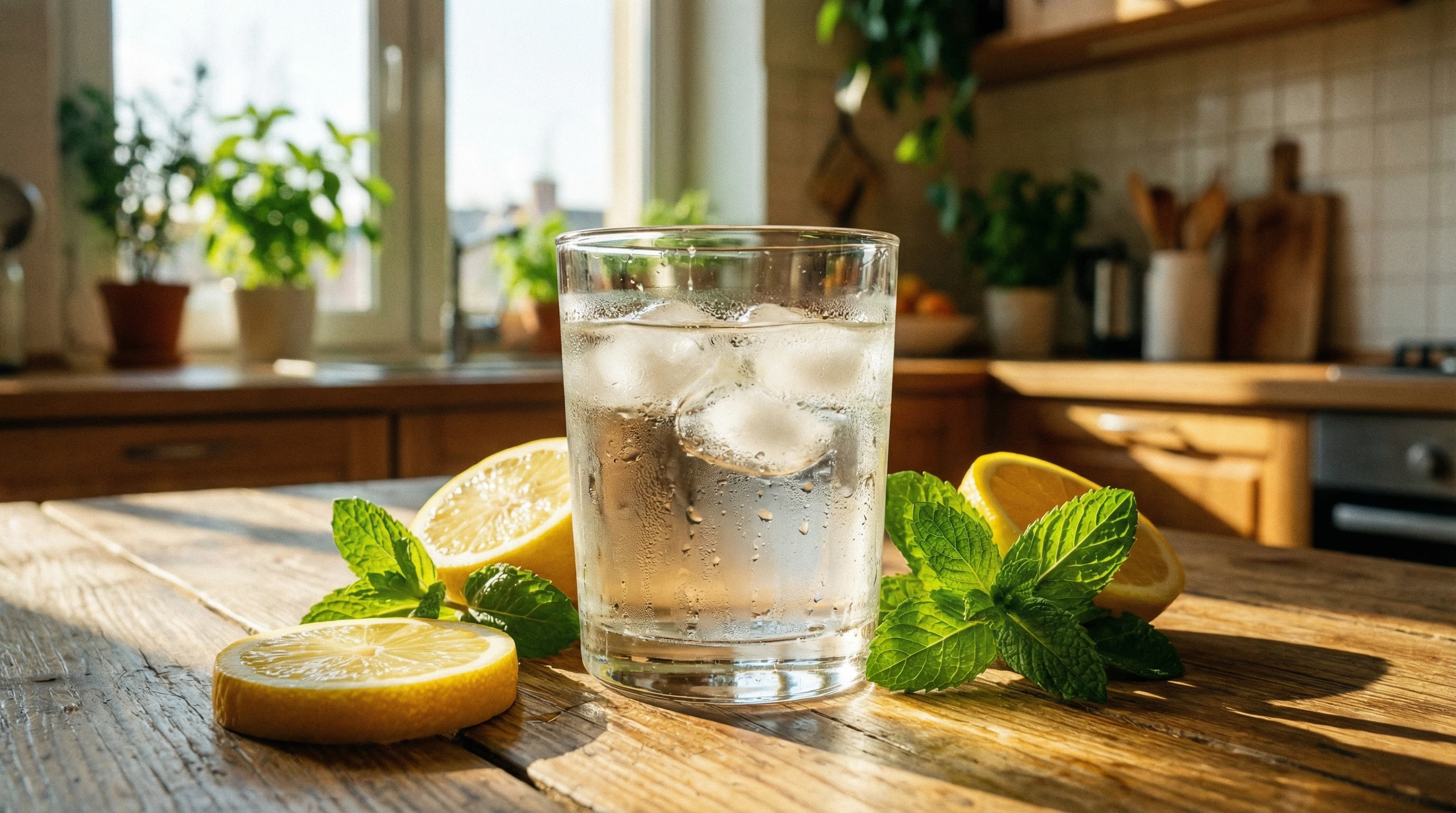
- Add flavor: Sometimes water can be a bit bland. Slices of lemon, cucumber, or a few fresh berries can make it more interesting.
- Use a tracker: I’ve used phone reminders or a water tracking app when I know I need some extra help to remember. There are even smart bottles that light up to remind you!
- Eat water-rich foods: I snack on fruit like watermelon or cucumbers, especially in the summer, for a hydration boost. Soups and smoothies also work great.
- Keep a water bottle handy: Having water in your line of sight is one of the easiest ways to get a few extra sips throughout the day. Just seeing your bottle can encourage you to drink more often.
Common Water Myths I See All the Time
Water advice can be kind of confusing thanks to all the myths out there. Here’s what I’ve learned after reading different sources and talking to nutritionists:
- You can only count plain water: Not true! Tea, coffee, and foods all help you stay hydrated. Just watch out for super sugary drinks and large amounts of alcohol, which don’t do the same good work.
- If you’re thirsty, it’s too late: Thirst is a good signal for me. For most healthy people, it’s usually fine to drink when thirsty unless I’m exercising a lot or it’s really hot out. Thirst is your body’s way of asking for what it needs, plain and simple.
- More water always equals better health: While most people could use more, drinking tons and tons of water can actually throw off your balance of salts and minerals. Moderation is still important—even with water.
Potential Challenges and How to Overcome Them
Meeting your water goals every day isn’t always easy. Here are a few hiccups I’ve run into and what’s helped:
- Forgetting to drink: I often link drinking water to something I already do, like sipping after brushing my teeth or whenever I check my phone. Some people fill up a big water bottle first thing in the morning, making it their mission to finish by bedtime.
- Busy schedule: Having a reusable bottle handy in my bag, car, or at my desk makes it a lot simpler to sneak in a few sips here and there.
- Not liking the taste: Infusing water with herbs like mint or adding citrus is a game changer for me. Some folks prefer lightly sparkling water as a switch-up if plain tap water isn’t doing the trick.
Staying Hydrated When You’re On the Go
Travel and busy days can throw off my routine. Portable bottles with measurements help me keep track, and I’ll fill up whenever there’s a fountain or filter handy. I also look for places that offer water refills, with more public spaces like airports and stores joining in. Bringing backup packets of electrolyte powder or a slice of lemon is a clever way to keep things interesting, too.
Watching for Overhydration
Drinking too much water too quickly, more than your kidneys can get rid of, can lead to something called hyponatremia (low sodium in the blood). It’s rare, but if you’re chugging a ton and never taking breaks, you might feel sick, confused, or nauseous. Listening to my body and spreading water throughout the day makes a lot more sense for me, rather than overwhelming my system all at once.
How Hydration Impacts Wellness and Performance
When I make hydration a priority, I notice boosts in all sorts of daily life stuff:
- Focus and mood: I’m sharper and less cranky when I’m hydrated.
- Physical performance: Even mild dehydration can make me tire out faster when hiking, going for a run, or taking a fitness class. Staying well-hydrated means my endurance and recovery both get a boost.
- Digestion: Drinking water helps me avoid constipation—TMI, but so true! A healthier gut equals better overall energy.
- Skin health: My skin honestly looks and feels better with better hydration, especially when paired with a moisturizer. Hydration supports skin barrier function and can help keep skin from looking dry or dull.
Proper hydration is linked to everything from better joint lubrication to clearer thinking and fewer afternoon crashes. It even helps maintain a healthy immune system, so drinks that count toward your daily goal can support balanced wellness all year round.
Real-World Examples of Hydration in Daily Life
- Athletes: People who run marathons or play sports outside in summer need more water before, during, and after their activity. It’s common for sports teams to have routine water breaks just so everyone maintains performance and avoids cramps.
- Office workers: Air conditioning and heating can zap moisture. I always keep a glass nearby or use reminders if I’m glued to my computer, because small sips help me avoid feeling drained by the workday.
- Kids and older adults: Some people don’t feel thirsty as quickly, so keeping water available and encouraging small regular sips goes a long way. Family mealtimes are a good chance to get a little extra fluid into everyone, and a favorite cup or bottle can help little ones remember to drink.
Frequently Asked Questions
Question: Does coffee or tea dehydrate you?
Answer: Coffee and tea actually contribute to hydration, especially if you’re used to them. Just go easy on the super-sugary or highly caffeinated versions.
Question: What’s the best container for drinking water?
Answer: I use a reusable stainless steel or BPA free plastic bottle. Both work well, and insulated ones keep my water cooler longer. Glass is a good option for home, too.
Question: Can drinking lots of water help with weight loss?
Answer: Water can help you feel full, and swapping out higher-calorie drinks for water definitely helps if that fits your goals. There’s no magic, though—just a healthy habit that supports your plan.
Staying Hydrated Day to Day
Getting enough water isn’t about following strict numbers. It’s about tuning in to what your body is asking for. I notice that sipping water throughout the day, listening to my thirst, and keeping water easily available works better for me than obsessing over exact ounces. Small changes add up. The more I make hydration a normal part of my day, the better I feel overall. Everyone’s water needs are a little different, and that’s totally normal.
Hydration doesn’t have to be complicated. Most bodies are great at telling us what they need, as long as we pay attention. Making a few tweaks or reminders can go a long way in feeling good, staying sharp, and keeping energy up as the day goes on. Your adventure to better health can start with something as simple as a glass of water—so drink up, and cheers to feeling your best!