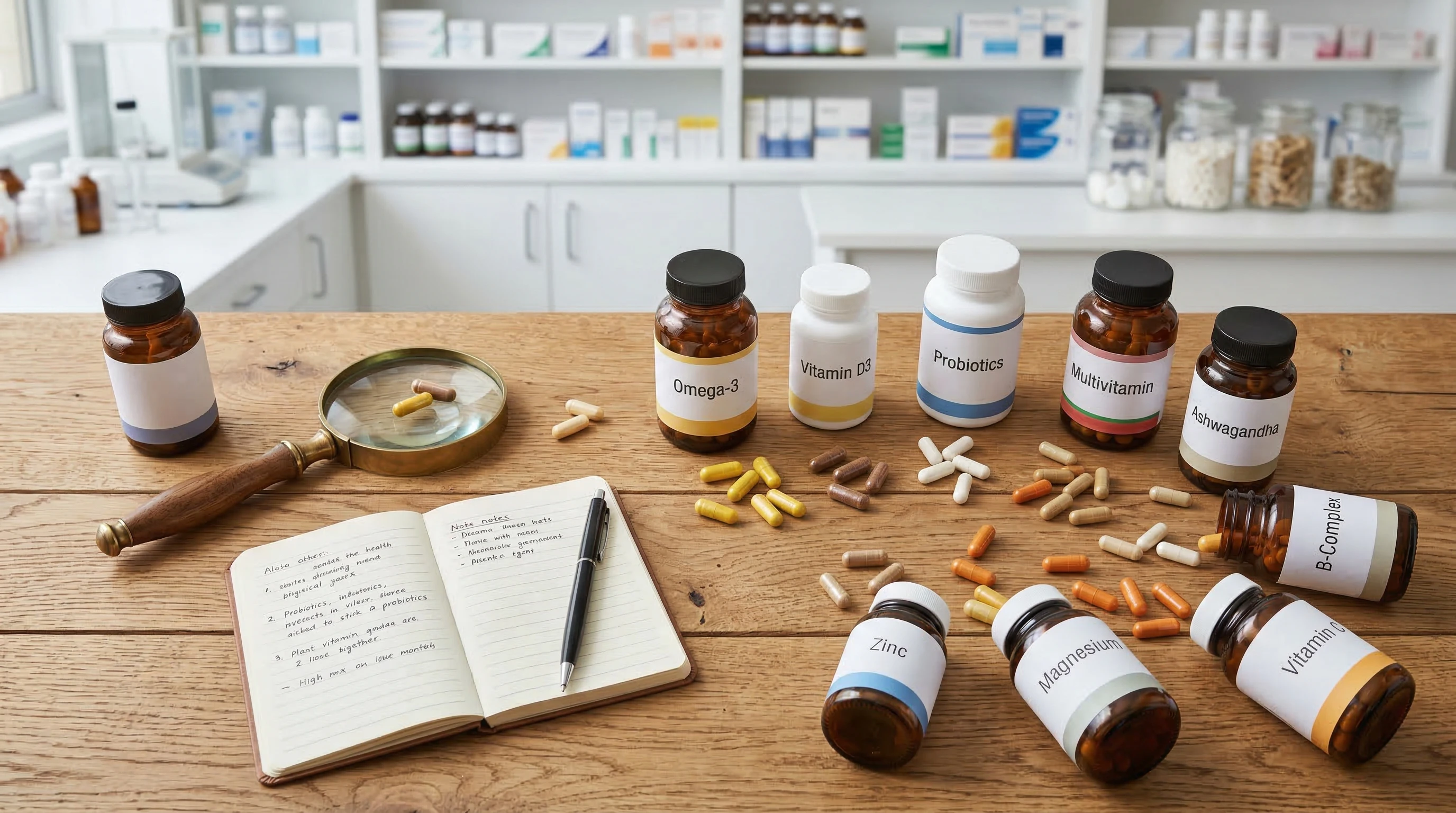
Choosing safe supplements can feel a bit overwhelming with all the options out there. I’ve spent plenty of hours reading labels, browsing health forums, and even chatting up store staff about what really goes into some of these bottles. Getting your supplements right can do good things for your health, but the key is making sure what you’re taking is actually safe and a good fit for your needs. Here’s how I cut through the noise when I’m picking out my own vitamins, minerals, or wellness products.
“Here’s a little transparency: This post contains affiliate links. This means if you click and make a purchase, I may receive a small commission. Don’t worry, there’s no extra cost to you. It’s a simple way you can support my mission to bring you quality content.”
Understanding Supplement Safety: Why It Matters
Supplements range from simple multivitamins to more complex blends for things like energy, sleep, or gut health. But not all supplements are created equal, and some carry more risks than benefits, especially if you don’t know what you’re looking for on a label. That’s why supplement safety isn’t just buzz; it helps protect your wallet and your well-being.
There’s a massive market for dietary supplements, projected to go beyond $150 billion worldwide before long. These products aren’t regulated as strictly as medicines. In the U.S., for example, the Food and Drug Administration (FDA) doesn’t test or approve supplements before they hit the shelves. That means the responsibility really falls on you, the buyer, to make smart and safe choices.
Supplements have helped a lot of people meet their nutritional needs and manage various health concerns, from filling vitamin gaps to supporting bone health as we age. Still, being picky and careful with what you buy matters a lot. To make sure you get the most from your investment, sticking to a few proven safety steps will pay off for your health in the long run.
How To Start Choosing Safe Supplements
Shop smarter by checking for a few things right from the start. When I look for supplements, I always:
- Read the label carefully: This means checking the dosage, form, and all the ingredients, including fillers and additives.
- Look for certifications: Third-party certifications like USP, NSF, or ConsumerLab.com add some peace of mind that what’s on the label matches what’s in the bottle.
- Check for allergy risks: Many supplements contain ingredients from soy, dairy, or shellfish, which could trigger allergies in some folks.
Spend a little extra time reading up on each product and brand. Reviews from reputable online sources and trustworthy health professionals help steer me away from shady companies and toward the ones that actually care about safety and results.
It’s also helpful to consult with friends or family members who have experience with supplements. Sometimes, personal recommendations can point you in the direction of proven brands or products that have passed the everyday test.
What To Watch For On Supplement Labels
Labels tell you more than just dosage; they can also alert you to red flags. Here’s what I keep an eye out for:
- Active ingredient amounts: Compare the listed dosages with recommended daily values so you’re not getting way too much, or too little, to be helpful.
- Serving size confusion: Some supplements spread a dose over several capsules a day. Check how many pills you’re actually expected to swallow.
- Other ingredients: Watch out for artificial colors, unnecessary sugars, or anything you can’t recognize or pronounce. Less is usually better.
It’s also super useful to find if a supplement lists the source of its ingredients, like “fish oil (from anchovy/sardine)” or “vitamin D3 (from lichen).” It shows transparency, which I always appreciate.
Be on the lookout for expiry dates and ensure the packaging is sealed properly. These simple signs go a long way to show the product is fresh and has been handled correctly from factory to shelf.
Safety Red Flags: When To Avoid a Supplement
Some things just aren’t worth risking, no matter how good the marketing looks. Here are some warning signs I always pay attention to:
- Promises that sound too good to be true: Claims like “cures all diseases” or “instantly burns fat” usually mean trouble. No legit supplement can guarantee dramatic results overnight.
- Outrageous dosages: Supplements pushing huge amounts of vitamins or herbs way above recommended daily limits could actually be risky.
- No contact information: Reputable businesses stand behind their products and give customers a way to contact them for questions or complaints.
It’s pretty handy to avoid products only sold through multilevel marketing, off brand websites with no credible background, or those that skip third-party testing altogether. If a supplement is missing basic information or seems hard to trace, your best move is to walk away and look elsewhere.
Key Questions To Ask Before Buying Any Supplement
I always pause before buying a new supplement and ask these questions:
- Do I actually need this? If your diet gives you what you need and you have no symptoms or diagnoses, extra supplementation might not help and could cause harm.
- Is there solid evidence for its benefits? I stick with supplements backed by good research from trusted sources and steer clear of products that rely only on testimonials and vague claims.
- Are there known risks or side effects? Even something natural can interact badly with prescriptions or cause side effects (think St. John’s Wort and antidepressants).
- Does my doctor or pharmacist know I’m taking this? Especially important if you’re on meds or have a health condition already.
When I’m not sure about an answer to one of these, I hold off and read more or talk to my pharmacist. Rushing into a supplement without knowing its full effects, especially if you’re taking other medications, can lead to complications you just don’t need.
Common Supplement Safety Challenges (And How I Handle Them)
Finding your way through the supplement aisle comes with a bunch of little hurdles. Here’s how I usually deal with them:
- Mixing up doses: I keep a list (in my notes app) of supplements I take and when, just to avoid overdosing or doubling up on similar ingredients from multiple products.
- Spotty quality: Brands can change formulations, so I check for recalls and reread labels even when buying a familiar product again.
- Online purchases: I only buy from the brand’s official site or big trusted stores to avoid counterfeits or old stock.
- Potential interactions: Before starting something new, I usually give my healthcare provider a heads-up, especially if I’m already taking other medicines or supplements.
Trouble With Dosage
Dosage can make or break your supplement routine. Too little does nothing, too much could be harmful. For example, I once stumbled on a vitamin C bottle that packed over 1000% of the daily value in a single chewable. Turns out, big doses can mess with digestion; lesson learned. I now check the upper safety limits (often listed on sites like the National Institutes of Health Office of Dietary Supplements).
Unclear Ingredient Sources
Supplements with vague ingredient lists or buzzwords like “proprietary blend” without details get a hard pass from me. Clear sourcing often signals better safety standards, so if a company spells out where its fish oil, herbs, or vitamins come from, that’s a good sign.
Allergic Reactions
Even supplements that look basic on the outside can contain hidden allergens such as gluten, lactose, or nuts. As someone who avoids certain foods, I’ve learned it’s really important to doublecheck the allergen statement or call the company if I’m not 100% sure.
Extra Tips For Staying Safe With Supplements
After years of reading up and experimenting, I built a little playbook for supplement safety. Here are a few of my favorite pointers:
- Start one at a time: This way, if there’s a reaction or side effect, it’s pretty clear what the cause was.
- Stick with real brands: Companies with a strong track record, reliable customer service, and fully transparent websites are my go-tos.
- Set reminders: I use smartphone alarms to avoid skipping doses or accidentally doubling up.
If I notice new symptoms or just feel off shortly after starting a new product, I hit pause and check in with a healthcare professional before I go further. Sometimes, keeping a supplement diary – noting what you take, when, and any changes you experience – can help your doctor spot patterns and give more targeted advice.
Quick Reference: FAQ On Safe Supplement Choices
Below are a few questions I get or see pop up all the time about supplement safety:
Question: Can I trust herbal supplements as much as multivitamins?
Answer: Not always. Herbs can have strong effects and interact with other meds. Always look for quality testing, and chat with a doctor before starting anything new.
Question: How do I know if a supplement is high quality?
Answer: Third-party testing seals (like USP, NSF), clear ingredient sourcing, and positive reviews from users and experts are all good signs.
Question: Should I talk to my doctor before taking supplements?
Answer: Yes, especially if you take other meds, have a health condition, or are pregnant or breastfeeding.
Wrapping Up
Finding safe supplements that fit your lifestyle isn’t about jumping on every wellness trend. It’s about reading labels, doing a bit of homework, and checking in with the experts when things get confusing. With a thoughtful approach, you’ll make choices that support your health today and in the long run.
Being your own best advocate is pretty empowering, and a bit of careful label reading, online research, and communication with health professionals can go far to keep you safe and feeling your best. Just remember to update your routine as your health needs change over time, and keep sharing what you learn with others who may be looking to make smarter supplement choices too.