Eating to gain muscle can sound confusing at first, but it doesn’t have to be. I know from my own experience just how many questions can come up when you want to put on muscle and keep things practical. In this guide, I’ll walk you through the basics, break down how to plan meals for muscle gain, and cover the important details that often get overlooked. Whether you’re a beginner in the gym or looking to break through a plateau, getting your nutrition sorted is a game changer.
“Here’s a little transparency: This post contains affiliate links. This means if you click and make a purchase, I may receive a small commission. Don’t worry, there’s no extra cost to you. It’s a simple way you can support my mission to bring you quality content.”
Understanding the Basics of Eating for Muscle Gain
Building muscle takes more than just lifting weights. I’ve found that what I eat makes a huge difference. Your body needs the right kind, and amount, of fuel to build new muscle tissue. This comes down to a few important things: eating more calories than you burn, choosing the right protein sources, getting enough healthy carbs and fats, and keeping your meals consistent. If you’re not giving your muscles what they need, results will lag no matter how hard you train.
Muscle gain isn’t instant. I remember getting impatient in the early days, but muscle growth is a slow and steady process. A realistic and sustainable goal for muscle growth is approximately 0.25 to 0.5 pounds (0.1–0.2 kg) per week. Eating too little slows progress, while eating too much can lead to excess fat. Careful tracking helps anyone find the balance that works best for them. Consistency matters more than perfection—small daily habits really add up over time.
Setting Up Your Meal Plan: What and How Much to Eat
Before deciding exactly what to eat, it’s smart to work out your daily calorie needs. I start by estimating how many calories I burn per day. Several calculators online can help with this using your age, weight, height, gender, and activity level. Once that’s done, I aim to eat about 250 to 500 calories more than I burn each day to support muscle growth and healthy weight gain. That way, I know I’m giving my body the extra fuel it needs to build tissue without packing on unnecessary fat.
Choosing the right foods to hit those numbers makes life easier and gets better results. Here’s how I think about setting up a solid meal plan:
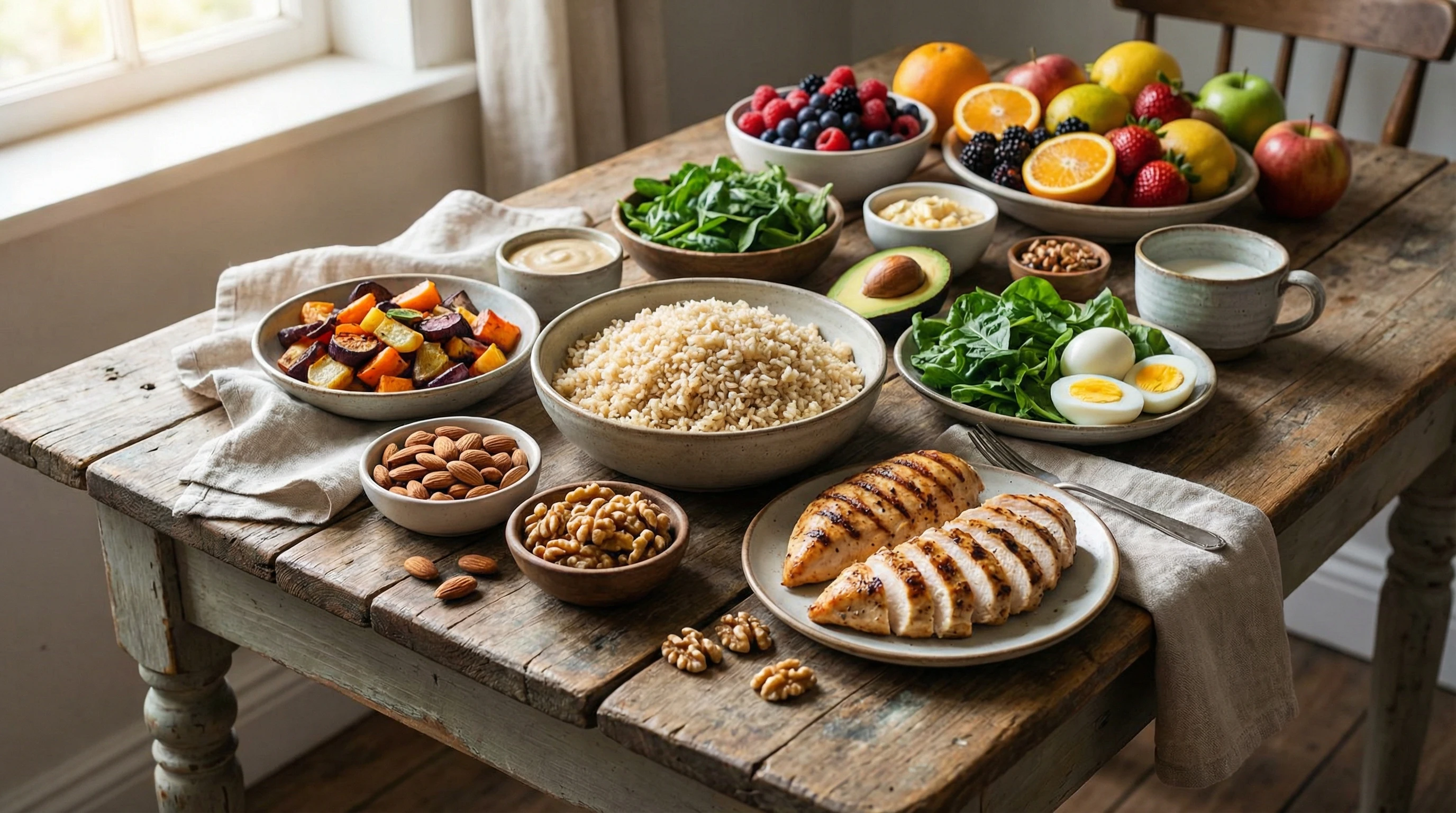
- Protein: Super important for repairing and building muscle. Chicken, turkey, lean beef, eggs, dairy, fish, beans, and tofu are all foods I rely on for solid muscle-building gains.
- Carbohydrates: These give you the energy your workouts need. I go for whole grains, oats, brown rice, sweet potatoes, and fruit. Carbs also help your muscles recover and keep your mood up throughout the day.
- Fats: Healthy fats like nuts, seeds, olive oil, and avocados make a big difference in hormone support and extra calories for muscle gain. They also give meals satisfying flavor and help me feel full longer.
Getting each of these at every meal has helped me stay full, recover faster, and see better muscle growth from my workouts. It’s not just about hitting a calorie goal, but making sure those calories bring the nutrients your muscles crave.
Practical Steps to Make Muscle-Building Meals Happen
I’ve noticed that the most common challenge is knowing how to structure meals. Here are my go-to steps for making sure I stick to a plan:
- Plan Ahead: I like to make a one-week meal plan, so I always know what I’m eating and don’t have to think about it when I’m hungry or busy. Meal prepping can be a lifesaver during busy workweeks or when motivation dips.
- Grocery Shopping: Sticking to a list keeps my kitchen stocked with muscle-building basics, so I avoid quick but less helpful snacks. I hit the store once a week and focus on core foods—protein sources, grains, veggies, and snacks that are easy to eat on the go.
- Batch Cooking: Making a big batch of chicken or a pot of brown rice at once makes preparing meals for the next few days a whole lot quicker. You can store cooked food in containers so it’s ready whenever hunger hits.
- Meal Timing: I spread my meals across the day, usually three main meals and two snacks. This keeps my energy and mood steady and supports muscle recovery between workouts. Eating regularly means I rarely feel starved or stuffed.
- Hydration: Drinking enough water is super important. I try to get in at least 8 cups a day. When I’m working out hard or sweating a lot, I drink even more. Hydration also helps your muscles recover and keeps digestion running smoothly.
Common Challenges and How to Handle Them
When I first tried to change my diet for muscle gain, I ran into a few hurdles. These are the ones I see people struggle with most:
- Appetite doesn’t match calorie requirements: Eating more isn’t always easy, especially for people with smaller appetites. I found that adding calorie dense foods like nuts, nut butters, smoothies, and healthy oils made it easier to bump up my calories without feeling stuffed. Even adding hummus or dried fruit to snacks can help get in more energy without bulking up the meal too much.
- Busy lifestyle: Eating every few hours can seem impossible on a busy day. I prep snacks like Greek yogurt mixed with fruit or trail mix to grab on the go so I never miss a meal. Overnight oats, hard-boiled eggs, and beef jerky are also great quick options.
- Worrying about fat gain: It can feel risky to eat more when you’re used to controlling your weight. Monitoring your weight and adjusting your calorie surplus as needed helps keep fat gain low and muscle growth steady. A gradual approach works best for most people—track weekly and tweak as needed.
- Family and social meals: I’ve learned to adapt my portions and bring my own food if needed. I still enjoy meals out or celebrations by focusing on protein and enjoying side dishes that fit my plan. Swapping fries for a side salad or asking for grilled chicken instead of fried are simple swaps that help me stay on track without missing out.
Staying flexible means you can enjoy food with others without giving up your muscle-building goals. Planning ahead for special occasions keeps you from stressing out—or falling off your plan entirely when things don’t go perfectly.
>>>Try this easy-to-follow dietary approach that doesn’t ban all your favourite foods.
How I Handle Eating Enough Protein
Protein is the nutrient that I pay the most attention to. I aim for about 0.7 to 1 gram of protein per pound of my goal bodyweight daily (or 1.6 to 2.2 grams per kilogram of body weight). This usually means eating protein at every meal and snack. Sometimes, I use a whey protein shake if I feel like I’m falling short. For those who are vegetarian or vegan, plant-based proteins like lentils and tempeh work great too, and combining different sources can provide all the essential amino acids.
Picking the Right Carbs
Carbs are my main source of workout fuel. Slow digesting carbs like oats and brown rice help me stay full longer, while fruits and potatoes make meals more enjoyable and add vitamins and fiber. Including a mix of carbs in your diet keeps energy levels high, so you can hit your workouts hard and recover properly.
Don’t Skip the Healthy Fats
Healthy fats pack a lot of calories into a small amount of food, which is helpful on days when I’m less hungry. I drizzle olive oil on cooked veggies or add avocado to sandwiches for a boost. Fat-soluble vitamins, found in these foods, also support immune health and hormone production.
Extra Meal Tips for Better Results
There are a few habits I’ve added to my routine that really made a difference in my progress:
Consistent meal times: Eating around the same time each day helps my body learn when to expect fuel and improves recovery after workouts. Developing a rhythm makes it easier to stick to your plan and stay energized all day.
Tracking food for a few weeks: Logging what I eat helps to give me a real sense of portion sizes and ensures I don’t miss out on anything my muscles need to grow. Tracking is especially useful if your progress hits a plateau—it helps figure out where adjustments are needed.
Using simple recipes: I keep my meals easy with basic recipes. Grilled chicken and rice, eggs and toast, and smoothies are all regulars. This keeps muscle building from feeling like a chore. Simplicity ensures you’ll stick with it for the long haul, which is way more important than fancy gourmet meals.
Adjusting for workout days: On heavy workout days, I add an extra serving of rice or have a protein shake afterward to support recovery. If your workouts are longer or more intense, boosting your carb intake can help you bounce back faster and make the most of your hard work.
Minding micronutrients: While protein, carbs, and fats are the major players, don’t forget about vitamins and minerals. Leafy greens, colorful veggies, and fruits help cover your bases and promote overall health—which, in turn, supports muscle growth. Taking a daily multivitamin can be a good insurance policy.
Real-World Examples of Muscle-Building Meals
As someone who eats for muscle gain daily, here are some meals that work well:
- Breakfast: Scrambled eggs, whole grain toast, and a banana. Adding nut butter or some seeds can help boost calories and protein.
- Lunch: Grilled chicken breast, brown rice, and steamed broccoli. Feel free to swap in fish or tofu for variety.
- Dinner: Salmon fillet, baked sweet potato, and sautéed spinach cooked in olive oil. Swap in quinoa, beans, or lean beef to keep dishes interesting.
- Snacks: Greek yogurt mixed with berries and honey, peanut butter with apple slices, homemade protein bar, or cottage cheese. You can add trail mix or a protein shake for an afternoon pick-me-up.
Real food doesn’t have to be complicated to work. I find that reliable, repeatable meals make sticking to my plan almost automatic. Variety is nice, but consistency makes tracking nutrients and progress much easier. I also meal prep on Sundays so that healthy options are always ready to go.
Frequently Asked Questions About Eating for Muscle Gain
I get a lot of questions about eating for muscle. Here are some of the top ones:
Question: How important is protein for muscle gain?
Answer: Protein is super important for building and repairing muscle, so it’s always my top priority in every meal.
Question: Do I need supplements?
Answer: Supplements like whey protein can help if you’re short on time or appetite, but I focus on real food first. Supplements are there to fill the gaps when needed.
Question: Can I eat junk food if I’m trying to gain muscle?
Answer: Some treats are fine if they fit your calorie needs, but I try to keep 80% or more of my food as whole, healthy options for best results. Less nutritious foods won’t support muscle growth as well, but balance and enjoyment matter too.
Question: Will eating more make me fat?
Answer: Eating too much, too fast can lead to added fat. I start with a small calorie surplus and adjust as needed, keeping an eye on both muscle and fat gains. The key is tracking progress and not rushing the process. If you see more fat gain than you’d like, cutting back slightly can keep results going strong.
Why Food Makes the Difference for Muscle Gain
Good nutrition makes training efforts pay off. Real results come from daily choices. What I put on my plate and how consistent I am with eating determine how well my workouts turn into gains. The basics are simple but not always easy. Staying organized, planning ahead, and choosing nutrient dense foods are what help me get stronger and feel better every day. Recovery, mood, and even immune health all depend on smart nutrition.
Consistency at the table leads to progress in the gym. I focus on habits I can keep up for the long haul, so muscle gain is steady, and I don’t burn out or get frustrated along the way. With mindful planning and the right meals, anyone can make muscle gain a natural part of daily life.