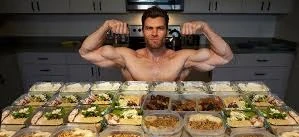
Planning meals for muscle gain isn’t just about piling on protein or eating every three hours. The truth is, it takes a bit of strategy and plenty of consistency. Building muscle depends just as much on your eating habits as what you do in the gym. Getting your nutrition just right can make a noticeable difference in strength, energy, and how your physique changes over time. So, I’m breaking down what I’ve learned about meal planning for muscle gain to help make the process more straightforward and actually enjoyable.
“Here’s a little transparency: This post contains affiliate links. This means if you click and make a purchase, I may receive a small commission. Don’t worry, there’s no extra cost to you. It’s a simple way you can support my mission to bring you quality content.”
Why Meal Planning Matters for Muscle Gain
Adding muscle means you need to eat more calories than your body burns. There’s a balance to strike here because you want to set yourself up to gain muscle without picking up too much unwanted body fat. That’s where meal planning comes in handy. A good plan keeps your eating consistent and gives you the chance to hit your nutrition targets each day. Plus, it saves a ton of time, trims down grocery runs, and helps you avoid those random snack attacks that often come with not knowing what (or when) your next meal is.
Research shows that having a steady nutrition routine supports steady progress in muscle growth and recovery. Instead of guessing what to cook or reaching for whatever’s in the fridge, meal planning helps you cover your macros and get the right mix of carbs, protein, and fats. It’s about setting yourself up for consistent wins, not stressing out at mealtime.
Getting Your Calorie Needs Right
Muscle gain starts with knowing how much to eat. Figuring out your calorie requirements isn’t as complicated as it sounds. There are plenty of online calculators out there, but a simple method is to take your current weight in pounds and multiply it by a range of 15–18 calories (depending on how active you are). If you’re working out hard, you’ll want to be closer to the higher end of the range.
For example, if you weigh 160 pounds and workout five times a week, multiplying by 16 gives you around 2,560 calories per day. Don’t be afraid to adjust this number if you aren’t gaining any weight after a couple of weeks—sometimes your body just needs a bit more.
- Tip: Small bumps of 200–300 extra calories per day are usually enough to keep weight gain slow and steady, minimizing unwanted fat while you build muscle.
If you don’t want to count calories forever, consider tracking for a couple weeks until you get a sense of portions and your needs. It can also help you track down how your body responds to different calorie levels.
Balancing Macronutrients: Protein, Carbs, and Fats
It’s not just about total calories. What you eat matters too, especially when you want to maximize muscle. The main macronutrients (protein, carbohydrates, and fats) all play a role:
- Protein: Aim for around 0.8 to 1 gram per pound of bodyweight daily. Protein repairs and builds muscles. Top foods include chicken breast, lean beef, eggs, cottage cheese, tofu, and whey powder.
- Carbohydrates: Carbs fuel your workouts and aid muscle recovery. Rice, potatoes, oats, quinoa, fruits, and veggies are excellent choices. For muscle gain, about 45–55% of daily calories from carbs works well.
- Fats: Healthy fats support hormone production and help keep you full. Think avocado, olive oil, whole eggs, salmon, and nuts. Keeping fats at 20–25% of total calories usually hits the sweet spot when bulking.
It helps to use a food tracking app at first so you can get a feel for where your proteins, carbs, and fats are landing. Over time, it’ll become second nature and you can eyeball your meals with confidence. If you ever feel like you’re in a rut, tracking macros again for a week can give you a fresh perspective.
>>> Click here for macro-balanced meals that are quick to prep and easy to grab on the go.
Building a Sample Muscle Gain Meal Plan
To make things easy, here’s a simple meal structure that’s worked for me and a lot of others. You don’t need to copy it exactly, but it’s a practical starting point:
- Breakfast: Oatmeal made with milk or a protein shake, topped with berries and peanut butter, plus a couple of fried eggs on the side.
- Midmorning Snack: Greek yogurt with honey and a handful of mixed nuts.
- Lunch: Brown rice with grilled chicken or tofu, steamed broccoli, and a drizzle of olive oil.
- Afternoon Snack: Protein bar or sandwich with whole grain bread and turkey breast.
- Dinner: Baked salmon or lean steak, roasted sweet potatoes, and a green salad with avocado.
- Evening Snack: Cottage cheese with pineapple or a banana with almond butter.
The big thing is having protein at each meal and spreading your calories throughout the day. Adjust portion sizes as needed—eat more if you’re not gaining or scale back a bit if you’re gaining unwanted fat.
You can mix things up based on personal tastes. Swap out salmon for ground beef or turkey, or opt for quinoa over rice. It doesn’t have to be boring or repetitive. Try prepping different sauces or using fresh herbs and spices to keep things flavorful. Remember, flexibility is key to keeping your plan sustainable in the long run.
Meal Prep Basics for Busy Schedules
Cooking every meal from scratch isn’t always realistic. I batch cook: grilling a week’s worth of chicken, steaming a bunch of veggies, and making a big pot of rice or potatoes all in one go. Prepping in bulk saves time, and it’s super easy to mix and match ingredients into different meals later on—even using leftovers creatively.
- Pick a day each week to meal prep. Sunday afternoons work best for me, but any day that fits your schedule is fair game.
- Invest in good food storage containers. Having everything portioned and labeled keeps you organized and lets you grab your meals on the run with zero stress.
- Don’t forget snacks! Sliced veggies, single serve hummus, and hardboiled eggs are convenient, nutritious, and fast.
Batch-prepped meals also help you control the quality of your food with consistent nutrition, keeping you on track during your hardest training weeks and busiest days.
Overcoming Common Meal Planning Challenges
Some days, the last thing I want to do is think about planning meals. Life gets hectic and routines can flip upside down in a hurry. Here are a few solutions that keep me on track:
- Boredom: Changing up seasonings, sauces, and types of protein keeps things interesting. I try out a new recipe every week, even if it’s just switching in a different herb or grain. Check out international cuisines or grab a new spice mix for a simple way to keep meals from feeling repetitive.
- Social Events: Eating out is part of life. I check restaurant menus in advance or eat a small protein-rich snack before leaving, so I’m not starving and tempted to order the first thing I see. If I have an off-plan meal, I don’t stress—consistency is more important than perfection.
- Cost: Buying in bulk, using frozen veggies, and choosing less expensive protein sources like eggs, canned tuna, or beans really saves money while supporting muscle goals. Some of the best muscle building meals are surprisingly budget-friendly.
Making Adjustments as You Grow
No meal plan is set in stone. If you’re not seeing progress, whether that’s muscle gains or if you feel sluggish, it might be time to mix things up. Tracking progress with weekly weigh-ins or taking progress photos helps you spot what’s working (and what isn’t).
A few things to check in on:
- If your bodyweight isn’t going up after two weeks, try bumping up calories just a bit (about 150–250 extra per day will usually make a difference).
- If you’re gaining weight but feeling too bloated or soft, try swapping out some carb and fat calories for more protein and fibrous veggies. This tweak can help you build lean muscle without adding excess body fat.
- Recovery matters—a lot. If you’re sore or tired all the time, check your sleep and hydration, but also see if you need larger portions or more carbs around your training sessions.
Remember to listen to your body. Everyone’s needs are different, so don’t be afraid to adjust your meals as you learn more about what fuels your best performance and results.
Useful Foods to Keep on Hand
Stocking your pantry and fridge with muscle-building staples saves a lot of hassle. Here’s what’s usually on my shopping list:
- Lean meats (chicken breast, turkey, lean beef)
- Eggs
- Greek yogurt and cottage cheese
- Rice, oats, potatoes, and whole grain breads
- Cans of beans, chickpeas, and lentils for extra plant-based protein
- Frozen veggies and fruits (they’re super quick to use in meals or shakes)
- Healthy fats such as olive oil, avocados, mixed nuts, and seeds
With these basics in your kitchen, it’s easy to whip up a muscle-friendly meal—especially after a long workday or tough training session. Having healthy options at your fingertips helps you avoid falling into takeout traps or skipping meals altogether.
Frequently Asked Questions About Muscle Gain Meal Planning
Question: How many meals do I need to eat a day for muscle gain?
Answer: There’s no magic number. Eating three to six meals a day works; just space out your protein and make sure you hit your calorie and macro targets consistently.
Question: Do I need supplements to see results?
Answer: Not really. Whole foods cover almost everything you need for muscle growth. Protein powders are a convenient option for busy days, but they aren’t necessary to make progress if your diet is on point.
Question: How quickly will I see muscle gains from planning my meals?
Answer: Everybody is different, but with solid meal planning and regular strength training, most people start to notice changes in muscle tone and energy within a few weeks—typically four to eight weeks for noticeable improvements.
Final Thoughts on Meal Planning for Muscle Gain
Meal planning is a gamechanger when it comes to building muscle and staying focused. Finding foods you like, prepping ahead, and being flexible make eating for muscle gain much less stressful. Consistency is key, so enjoy the process and make little tweaks as you go. Remember, results take time but advance planning makes the adventure smoother and your goals more attainable.