
If you’re looking for ways to boost your hydration that go beyond chugging water, hydrating superfoods are a smart move to add to your routine. These foods do more than just supply water—they bring vitamins, minerals, and even a bit of natural flavor, making every bite count. I’ve learned that when I’m working on fitness goals or just trying to feel my best, turning to foods packed with water and nutrients keeps me going strong.
“Here’s a little transparency: This post contains affiliate links. This means if you click and make a purchase, I may receive a small commission. Don’t worry, there’s no extra cost to you. It’s a simple way you can support my mission to bring you quality content.”
Why Hydration Matters in Fitness (and Everyday Life)
Hydration isn’t just water sloshing around in your system; it’s about keeping every cell in your body working smoothly. Water keeps joints lubricated, muscles flexible, and helps with everything from digestion to temperature regulation. I’ve noticed that even mild dehydration can leave me feeling sluggish, crampy, or unfocused. If you’ve ever gotten dizzy after a sweaty workout or hit a sudden wall of fatigue, chances are, dehydration played a part.
For anyone active, whether you’re at the gym, running outdoors, or just spending a long day on your feet, hydration really matters. Without enough fluids, things like muscle cramps, headaches, and even slower recovery after exercise can feel way worse. Staying hydrated helps beat that post-workout lethargy, supports circulation, and even helps flush out metabolic waste that builds up when you’re moving hard and sweating a lot.
Hydrating Superfoods: Nature’s Water Rich Powerhouses
Many foods pack a surprising punch when it comes to hydration. The best part? You don’t need to stick to bland options; a lot of hydrating foods are bright, tasty, and really easy to mix into daily meals or snacks. I always keep some of these on hand for a refreshing bite or a quick nutrient boost.
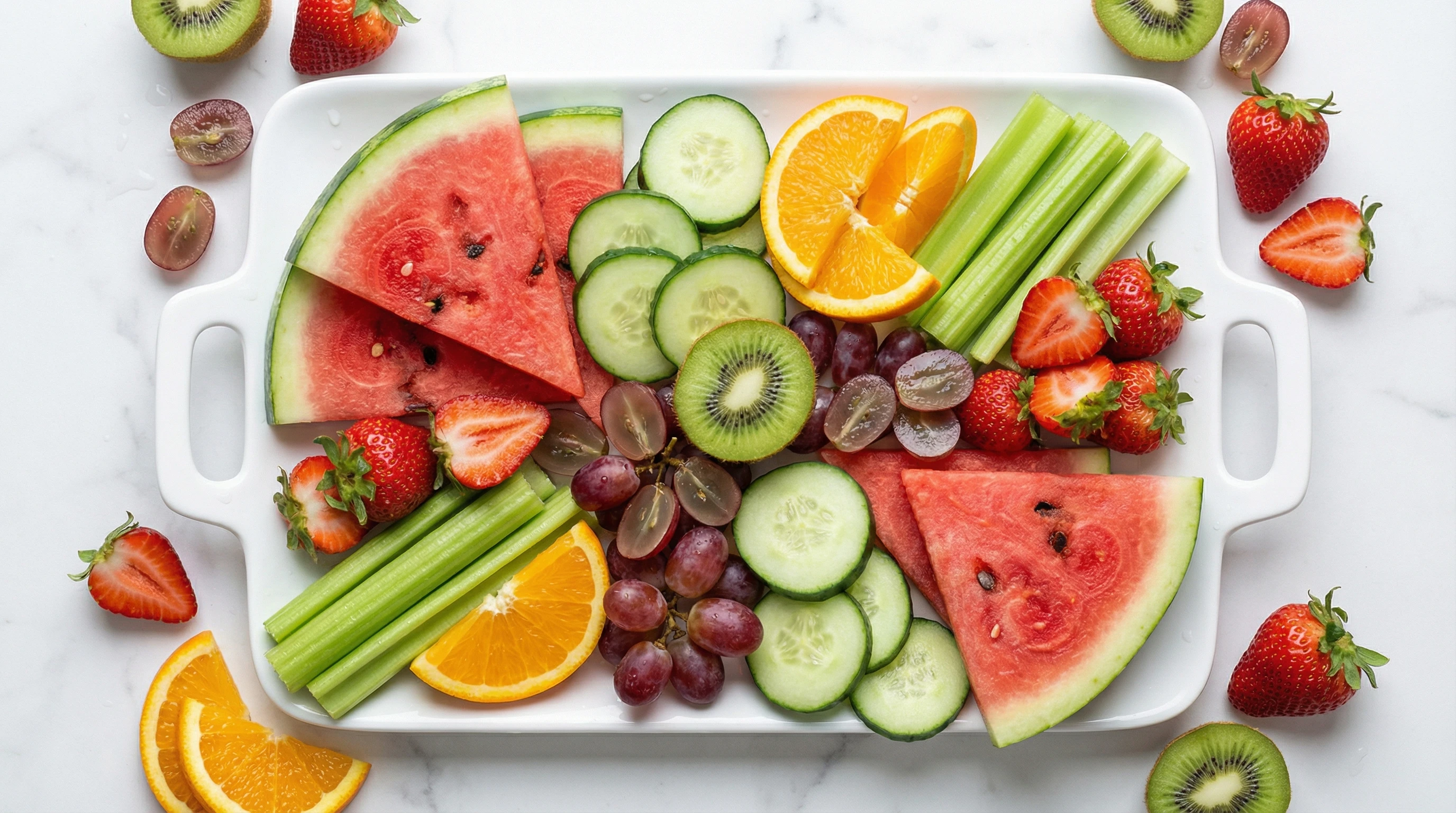
- Watermelon: This one always comes to mind first for me. It’s about 92% water and loaded with vitamin C and lycopene. It’s sweet, easy to toss in salads or eat alone, and super satisfying when chilled.
- Cucumber: Crunchy and almost 95% water, cucumbers are a total win in salads, sandwiches, or as a snack with a bit of salt and lemon juice.
- Strawberries: With more than 90% water content, strawberries are not just hydrating but give you a good dose of fiber and antioxidants, too.
- Celery: Another snack that’s almost all water (over 95%) and brings potassium, which helps balance fluids in your body.
- Tomatoes: Clocking in at around 94% water, tomatoes are easy to add to anything from sandwiches to pasta and keep things juicy.
- Zucchini: A favorite for summer grilling or spiralizing into salads, zucchini sits at roughly 94% water and blends well into savory and sweet dishes.
- Lettuce: Leafy greens like iceberg or romaine are mainly water (up to 96%), and they’re easy to layer into wraps or salads for a crunchy, hydrating bite.
- Oranges & Citrus Fruits: Juicy, refreshing, and around 87% water, oranges and their cousins (like mandarins and grapefruits) make a perfect grab and go snack or drink alternative.
- Pineapple: Not just delicious, but also about 86% water; great for fruit salads or eating plain after a workout.
- Peaches & Plums: These stone fruits carry a hefty water load and offer natural sweetness for snacks or desserts.
- Broth: Soup may seem like a cold-weather dish, but chicken and vegetable broth with some veggies can be a nutritious and hydrating option all year.
For even more variety, foods like bell peppers, radishes, cauliflower, spinach, and even yogurt bring loads of hydration. Greek yogurt, for example, doesn’t just hydrate; it brings protein for muscle recovery, which is pretty handy after a fitness session.
How Superfoods Help You Stay Hydrated
The water content in these superfoods is only part of what makes them helpful. They also deliver electrolytes like potassium and magnesium, plus vitamins that support metabolism and immune strength. When I’m trying to keep my hydration up all day, I mix hydrating superfoods into salads, smoothies, wraps, or just keep prepped slices in the fridge for quick munching.
Certain fruits and veggies also contain natural sugars, which help your body absorb and retain water more efficiently. For example, eating melon or citrus alongside salty foods boosts fluid balance, especially important in sweaty weather or during intense exercise sessions. Plus, fiber in things like strawberries and cucumbers helps you stay fuller longer, so hydration sticks around instead of just running right through you.
In addition to regular meals, you can blend water rich fruits into homemade popsicles during the summer for a cold treat that hydrates and satisfies my sweet tooth. Soup made with watery vegetables or a fresh fruit salad topped with mint are also favorite choices that help keep my water intake steady all day. The key is to keep eating and drinking a mix of hydrating foods to spread out your fluid intake, rather than trying to gulp huge amounts of water all at once.
What Not to Eat When You’re Dehydrated
Ditching some types of foods can also be just as important as picking the right ones, especially if you’re trying to rehydrate fast. Here are the kinds of foods I try to avoid when I know I’m at risk for dehydration:
- Salty Snacks: Chips, pretzels, and salted nuts can bump up sodium levels, which draws water out of your cells. While your body needs some salt, especially after heavy sweating, too much at once can delay proper hydration.
- Processed Foods: Ready meals, canned soups, and fast food usually sneak in a lot of hidden salt, which isn’t so great for rehydration.
- Sugar Laden Treats: Sodas, candies, and baked goods with loads of sugar make your kidneys work harder, and your body pulls water from your tissues to help flush out excess sugar.
- Caffeinated Drinks: Coffee, black tea, and energy drinks can act as mild diuretics, meaning they make you pee more, and that’s not what you want if you’re already running low on fluids. A cup or two probably won’t hurt, but guzzling them when you’re feeling dry isn’t a great plan.
- Alcohol: Drinks like beer or wine are well known for upping dehydration, since alcohol causes you to lose more fluids than you take in.
I’ve found that being mindful of these foods and drinks, especially during hot weather or heavy exercise, really helps me keep things in balance.
Easy Ways to Work Hydrating Superfoods Into Your Day
Adding hydrating foods to your meals doesn’t have to mean totally changing the way you eat. Here’s how I like to do it:
- Blend chopped cucumbers, watermelon, and a few mint leaves for a super refreshing smoothie.
- Add diced tomato and bell pepper to lunchtime salads or wraps for more crunch and water content.
- Start mornings with citrus segments, strawberries, or fresh pineapple alongside your regular breakfast foods.
- Swap out salty snacks for sliced cucumbers or celery sticks, paired with hummus or a little Greek yogurt dip.
- Incorporate yogurt parfaits with berries, peaches, and plums for both hydration and a sweet treat.
Making small adjustments to increase your intake of water rich foods boosts your overall hydration and can support your energy and mood throughout the day. Plus, it makes regular meals more flavorful and adds a fun twist to your usual snacks. I also like packing a small container of sliced fruit or veggies when I’m on the go—that way, hydration is always within reach.
FAQ: Hydration and Superfoods
Here are a few common questions I get about boosting hydration with food:
Q: Is it possible to get enough hydration from foods alone?
A: For most people, water should still be your main source, but eating plenty of hydrating fruits and vegetables helps meet your daily needs—especially if you’re not great at remembering to drink plain water.
Q: Which is the most hydrating fruit?
A: Watermelon is usually at the top, with cucumber even higher for veggies. Both are really easy to bring along for snacks or pack into meals.
Q: What foods help with hydration after exercise?
A: Look for foods with both high water content and electrolytes, like oranges, strawberries, watermelon, and bananas. Pair those with yogurt or a sprinkle of salt if you’ve been sweating a lot.
Q: Can you overdo hydrating foods?
A: If you’re eating a balanced diet, you won’t run into problems. Your body will get rid of what it doesn’t need. If you have kidney issues, though, talk to your doctor just to be on the safe side.
Key Takeaways for Staying Hydrated with Superfoods
Taking care of your hydration goes well beyond just drinking your eight glasses of water. Filling up on hydrating superfoods helps support workout performance, aids recovery, and just generally keeps you feeling good. By picking foods like watermelon, cucumber, strawberries, and citrus, you’ll get a major hydration benefit, plus vitamins and minerals along the way. On the flip side, steering clear of salty processed foods and sugary drinks helps your body actually hang onto the fluids you take in.
When you’re moving more, the weather’s heating up, or you just want to look after your health, working water rich foods into your daily routine is a practical and flavorful way to keep hydrated and nourished. Mixing in new fruits and veggies over the seasons keeps things interesting and lets you track down the freshest options available. Drinking water remains crucial, but with a few creative, water rich snacks and meals, hitting your hydration goals feels a lot easier and a lot tastier.