Staying hydrated isn’t just some trend; it’s the foundation for wellness. Water powers so much of what our bodies do every day—right down to helping you think clearly and keep your energy up. You know when you’re dehydrated. That sluggish feeling or perhaps a headache? Yeah, that might just be your body asking for some H2O.
Your body relies on water to keep things running smoothly. Whether it’s maintaining your body temperature or aiding digestion, hydration plays a crucial role. When you’re properly hydrated, everything functions better, from your brain to your muscles.
Keep an eye out for dehydration signs. Fatigue, dry mouth, and headaches can slow you down. And don’t forget, dehydration might affect your focus and mood too. So if you’re trying to be the best version of yourself—mentally and physically—it all starts with adequate hydration.
Proper hydration isn’t just about gulping down bottles of water; it’s about finding balance. It supports everything you do, especially if you live a hectic life or have specific health goals. Making hydration a priority impacts your health positively, whether you’re hitting the gym, the office, or just trying to stay sane in a busy world.
The Science of Hydration and Exercise
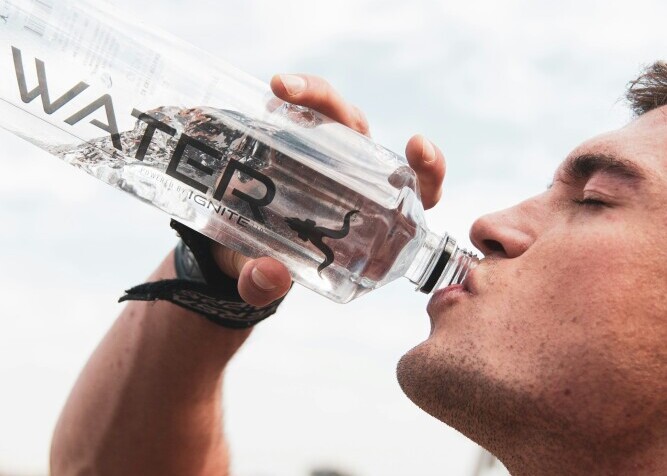
Exercising without enough water is like trying to drive a car without fuel. Water is your workout buddy, helping to power through those reps and recover faster post-exercise. Every ache or slowing down could be your body hinting it’s running low on hydration.
Dehydration is a game-changer, and not in a good way. As your body loses water, your muscles may not function properly, which means saying goodbye to the personal bests you were hoping to beat. Plus, endurance takes a hit, too, making those last few miles feel even longer.
Electrolytes play the underdog hero in the hydration story during workouts. Sweat it out and lose sodium, potassium, and calcium, and suddenly, muscle cramps could crash your next gym session. Keeping electrolyte balance is crucial, especially when sweating buckets during intense workouts.
To keep performing at your peak, it’s key to replace the fluids and electrolytes you lose. This involves smart drinking practices before, during, and after your workout. It’s not just about water, though, so consider sports drinks or nutrient-rich snacks to help maintain that delicate balance.
Personalizing Hydration for Diverse Fitness Goals
One-size-fits-all doesn’t work for hydration, especially when we’re all chasing different fitness dreams. Tailoring your hydration strategy can be the game-changer whether you’re doing cardio, weightlifting, or something in between.
Endurance athletes, for instance, need to stay hydrated to maintain stamina throughout their intense sessions. But a yoga enthusiast? Maybe not as intensive, but still water’s best friend to keep focus and flexibility. Pick strategies that match the activity’s physical demands and duration.
Weight, climate, exercise intensity—these are factors that tweak your hydration needs. A stocky individual pounding pavement in the desert sun will need more water than someone strolling in a shaded park. Paying attention to these can help in building the right hydration game plan.
For the everyday fitness buff, staying hydrated should buffer against sweat loss but not overdo it. Meanwhile, athletes might require precise fluid balances and timing to optimize performance recovery and muscle function. Revisit and adjust based on how your body responds to different routines and conditions.
Practical Hydration Strategies to Meet Fitness Objectives
Finding the best times to hydrate can boost your workout efficiency. Pre-hydration can prepare your body, while hydration during exercise helps maintain energy. After sweating it out, rehydrating aids recovery and replenishes lost fluids.
Add hydrating foods to your meals for that extra water boost. Think water-rich fruits and veggies like cucumbers, watermelon, and oranges. They’re not just tasty; they help keep your body hydrated.
Tech-savvy hydration is on the rise. Apps that monitor your intake can keep you accountable, while smart water bottles that sync with your devices offer reminders to stay on top of your water goals.
Consistency is key. Creating a routine can help build a sustainable hydration habit. Start small, like drinking a glass of water first thing in the morning, and build from there.