Intermittent fasting has become a popular approach for people looking to boost their fitness or shed some pounds. By limiting eating to certain periods during the day, intermittent fasting can create some big changes in energy levels and how your body looks. There are several ways to go about intermittent fasting, and each approach comes with its own pros and cons. It’s important to weigh these before getting started. In this article, I’ll discuss the pros and cons of intermittent fasting as it relates to fitness. Hopefully, this will help you decide if it fits your lifestyle and goals.
How Intermittent Fasting Works Alongside Fitness Goals
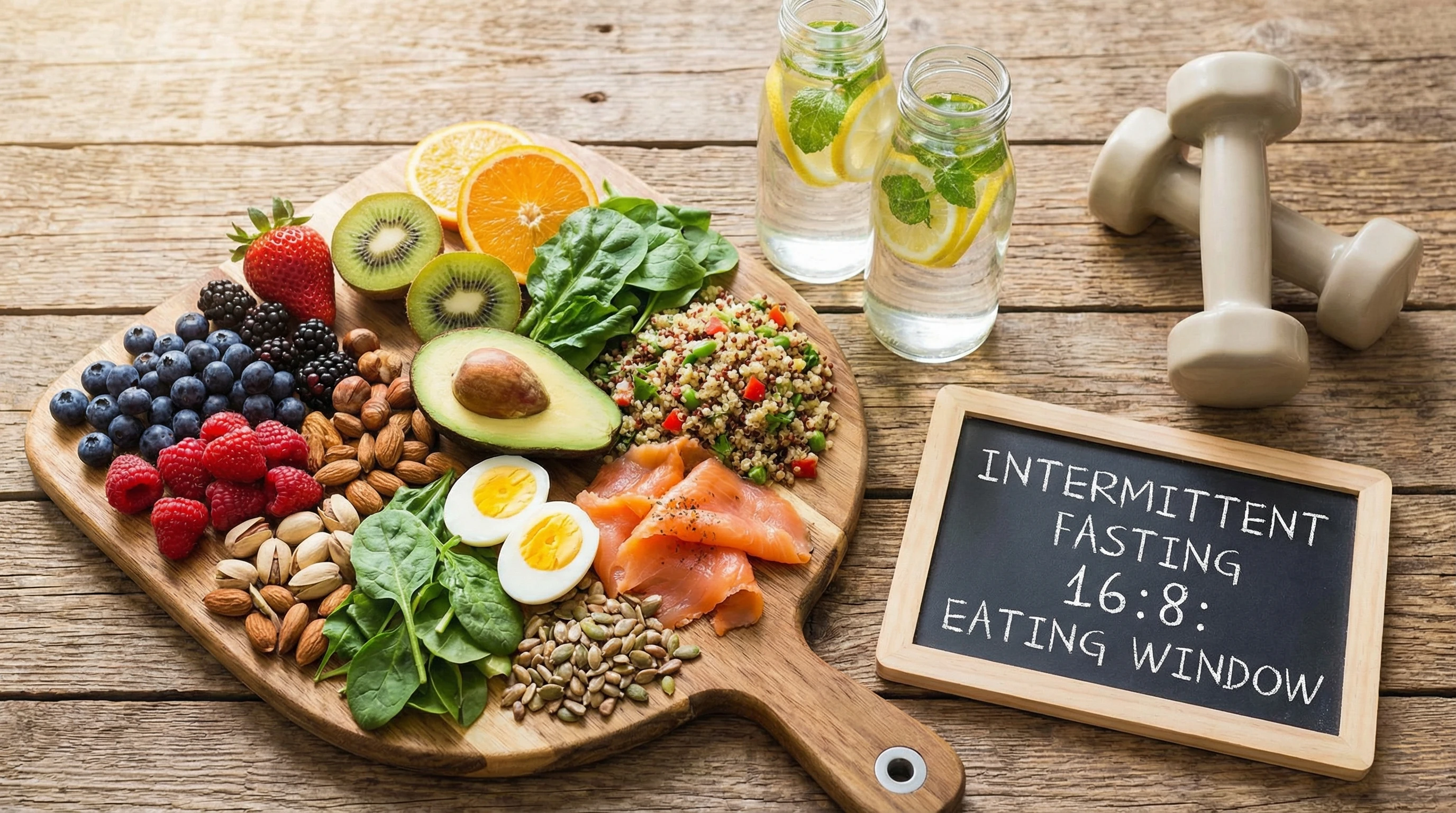
Intermittent fasting means cycling between times when you eat and times when you fast. The most used methods are 16/8 (fast for 16 hours, then eat within an 8-hour window) and 5:2 (eat normally for five days, then seriously limit calories for two days each week). Many people pick intermittent fasting because it helps make meal planning easier and reduces the habit of snacking without thinking.
While intermittent fasting is often linked to weight loss, its role in fitness really stands out. Some folks say it helps them shed fat, boosts their energy, and keeps their mind clearer. Others might find fasting tough, noticing extra hunger, lower strength, or trouble during more intense workouts. In my experience, finding success with intermittent fasting relies on daily routines and figuring out when to work out.
Key Benefits of Intermittent Fasting for Fitness
Intermittent fasting can give a boost to different parts of fitness. Here are some of the main benefits, based on studies and what I’ve personally noticed:
- Fat Loss Assistance: Eating only during certain hours makes it simpler to eat fewer calories. Skipping snacks can help to slowly whittle away body fat, especially when paired with regular workouts and whole foods.
- Supports Metabolic Health: Studies show intermittent fasting might step up insulin sensitivity and control blood sugar. This perk can lower the risk of metabolic problems and support overall fitness.
- Helps Maintain Muscle: If I keep up my protein and stick with resistance workouts, studies suggest fasting won’t eat up my muscle gains. Personally, I’ve held on to muscle by zeroing in on protein, even while losing weight.
- Sharper Focus and Energy: I tend to feel more focused and energetic during fasting, especially before workouts. Not having a big meal before exercise sometimes leaves me sharper both at the gym and elsewhere.
These benefits depend a lot on keeping up good habits with food, exercise, sleep, and stress. When my lifestyle lines up, the upsides of fasting stand out even more—especially with consistent sleeping hours, enough water, and less stress.
Potential Downsides and Considerations
There are some drawbacks to intermittent fasting, particularly if you’re serious about exercise. Here are some key things I’ve run into, along with what the research says about risks:
- Really Low Energy During Workouts: Training while fasting isn’t easy for everyone. At times, I feel tired or weaker during morning or fasted workouts. Tougher training sessions may suffer if you don’t eat first.
- Tricky Social Life: Sticking exactly to a fasting window complicates social plans. Parties, family dinners, or group workouts may not fall within your chosen eating times.
- Possible Drop in Performance: Some research finds that exercising hard while fasting leads to worse recovery or reduced strength and power. Listen to your body and avoid going too hard when fasting which can leave you drained.
- Hunger and Mood Changes: Early on, it’s common to feel hangrier or more irritable. Make sure to pack your eating window with nutritious, filling foods, otherwise your mood and motivation can drop off fast.
- Nutrient Shortfall: Eating fewer meals means fewer chances to cover all your nutrient bases. You have to plan balanced meals in your eating window. Otherwise, important things like protein, fiber, vitamins, and minerals might fall short, leaving your recovery and gym progress in the dust.
People with certain conditions—like diabetes or a history of eating disorders—should always check with their doctor before starting intermittent fasting.
Tips for Combining Intermittent Fasting With Exercise
Mixing intermittent fasting with workouts takes some thought and patience, but it gets easier with practice. Here’s some tips to help you stick with it:
- Pick an Eating Window That Matches Your Day: Choose fasting windows to fit around your schedule and when you work out. If your workouts are in the morning, start eating a little earlier to fuel up afterward.
- Stay Hydrated, Always: Drinking lots of water helps keep headaches and sluggishness at bay. Staying hydrated is crucial, especially around workouts.
- Plan Recovery Meals: My first meal after training is packed with protein and carbs. This helps with rebuilding muscle and makes sure I don’t get overly hungry. Adding healthy fats keeps my energy balanced.
- Adjust As you Go: Keep track of how you feeling and mix up timing if something’s off. If you getting weaker or feeling wiped out, then move things around and see what works better.
- Give It Time: Those first days or weeks are rough as your body adapts. Cut yourself some slack, stay patient, and remember it’s normal to feel off until your routine sets in.
Pacing yourself and keeping your meal planning on point are the two things that make fasting and fitness mesh well.
Challenges and Solutions: Common Problems With Intermittent Fasting and Fitness
No fitness plan is perfect. Intermittent fasting comes with unique snags, especially when you want to keep getting stronger or fitter. Here’s some problems you may run into and how you can fix it:
- Feeling Hungry in the Morning: Occurs a lot if your fasting window lasts until mid-morning. When it happens, try packing more protein and healthy fats into your last meal of the night.
- Blood Sugar Dips: If you feeling woozy or lightheaded—usually early in the switch or after tough workouts — pause and wait for your eating window to open, starting with a balanced meal or snack for a quick energy fix.
- Social Situations: Explaining your schedule helps others understand why you eating at odd hours. You can try tweaking your eating window by an hour or two so you can join in without losing ground.
- Mealtime Burnout: Prepping just a couple of solid, balanced meals rather than lots of little ones helps you avoid bad choices and keeps every meal satisfying.
Being flexible and noticing what’s working (or not) is key. Keep an eye out for these obstacles and handle them fast, any dips in your routine never last long.
Real-World Examples: How Intermittent Fasting Affects Different Fitness Goals
Everyone’s fitness goals are unique, so intermittent fasting doesn’t work the same way for everyone. Friends and folks at my gym have used fasting for various reasons. Some swear by it for cutting weight and report dropping pounds while sticking to their exercise plans. Others work toward muscle gain or improved endurance and pay close attention to eating after tough workouts to get results.
- Fat Loss & Toning: Limiting meals seems to cut calories pretty naturally for many people. If they stick with strength training, extra fat and inches tend to come off over time.
- Endurance Sports: Runners and cyclists usually pick shorter fasting windows and slide their hardest workouts into their eating periods. I’ve learned that going on long runs or rides while fasting rarely works well for me—saving those for after a meal makes a big difference.
- Muscle Building: To bulk up, make sure to break your fast with a protein-heavy meal right after lifting. That helps your muscles recover and makes it possible to keep up gains over the long term.
There’s no universal trick. Pick your biggest goal —whether that’s fat loss, more stamina, or building muscle—and adjust your eating and fasting to fit. That personal approach is what gets the best results.
Frequently Asked Questions
I get a lot of questions about how intermittent fasting works with fitness. Here are three of the most common:
Question: Can I build muscle while intermittent fasting?
Answer: Yes, but it means planning carefully. Focus on eating enough high-quality protein and time your workouts to coincide with your eating window, so you eating soon after hitting the gym.
Question: What’s the best time to work out when intermittent fasting?
Answer: It’s all about when you feel strongest. Eating before and during your eating window; both have benefits. Try both and see what feels best for you.
Question: How long does it take to adjust to intermittent fasting?
Answer: It usually takes most people a week or two to get used to the schedule.
Final Thoughts
Intermittent fasting and fitness can pair really well for lots of people, but how well they blend depends on daily routine, preferences, and main goals. Bottom line: there’s no one solution for everyone—experimenting, paying attention, and making adjustments put you ahead. With the right tweaks, fasting and fitness can fit together for results that actually stick.