Meal timing is a pretty hot topic when it comes to getting the best results from your fitness routine. When you eat can impact energy, recovery, and even your workout results. With so much hype about what and how much to eat, sometimes the “when” part gets overlooked. Here’s my take on why meal timing matters and how you can use it to support your fitness goals, based on research, my own experiences, and what works best for most people.
“Here’s a little transparency: This post contains affiliate links. This means if you click and make a purchase, I may receive a small commission. Don’t worry, there’s no extra cost to you. It’s a simple way you can support my mission to bring you quality content.”
Understanding Meal Timing for Fitness
Meal timing comes down to scheduling your food intake throughout the day in a way that helps you stay fueled, build muscle, recover well, and even manage your weight. I’ve learned that while there’s no one-size-fits-all rule, the way you time your meals can make a difference depending on your fitness goals, whether you’re trying to bulk up, slim down, or keep your performance steady.
For years, the idea that you “have to eat every two hours” was everywhere. While that works for some, newer research shows that flexibility is key. Some athletes thrive on carefully timed meals, while others tune in to their body’s hunger cues to guide their routine. Either way, paying attention to what your body is telling you is pretty important. Meal timing has changed to include different patterns like intermittent fasting, time restricted eating, and traditional three meal setups. Finding what resonates with your lifestyle, energy needs, and preferences is crucial for long-term success.
Dig into the basics and you’ll see that performance nutrition is less about strict rules and more about matching your schedule and goals. Even small tweaks can help make your hard work go further, supporting not just your gains but your general well-being.
How Meal Timing Affects Your Workout
The timing of what you eat before and after workouts has a real impact on your performance and recovery. Most folks feel better and see better results when they eat strategically around their workouts instead of just eating whenever.
- Pre-Workout: Eating the right foods before exercise helps top up your energy stores. I aim for a small meal or snack with carbs and a bit of protein one to three hours before exercising. Think oatmeal with a banana or toast with nut butter, nothing too heavy that would slow you down or cause discomfort while moving.
- Post-Workout: When you finish, your body’s primed to rebuild and refuel. That’s where the so-called “anabolic window” comes in. The latest research shows that while you don’t need to eat protein within minutes, eating a balanced meal with protein and carbs within one to two hours does help kickstart recovery and muscle repair. Chicken and rice, Greek yogurt with berries, or a smoothie can all do the trick.
If you’re working out early in the morning, even a quick snack like a banana or small granola bar is usually better than nothing. For those who can’t eat before morning workouts, a good meal the night before helps pick up the slack and ensures you have some energy in reserve.
It’s important to listen to your personal cues. For example, I’ve noticed that some people do better with a calm stomach, so experimenting with different foods or fasting periods can give you useful information for customizing your routine. Hydration is another crucial part of this puzzle that often gets forgotten. Regular water intake before, during, and after exercise can help maintain energy and improve recovery, so don’t sleep on good hydration habits.
>>> Learn why nutrient timing matters and how to identify your specific timing needs.
Choosing a Meal Schedule That Works For You
Deciding how often and when to eat really depends on your schedule, preferences, and how your body feels. Some people do well sticking to three main meals a day, while others like to eat smaller meals and snacks in between.
- Three Meals a Day: This style is easy to follow, convenient for busy lifestyles, and provides plenty of time between meals for your body to digest and use energy wisely.
- Multiple Small Meals: Some people find eating every three hours keeps them energized and curbs big hunger swings, especially if they train hard or have higher calorie needs.
- Intermittent Fasting: This option has you eating during a set window each day, like noon to 8pm. Some folks feel it helps appetite control and energy, but it doesn’t work for everyone, particularly if you train early or late.
I recommend checking in with how your body responds, trying different patterns, and not stressing if a certain style doesn’t fit your life. There’s no magic diet; your approach should back up your routine and feel sustainable. If you find yourself obsessing or frequently hungry, you might need a different model.
Meal Timing Tips for Muscle Gain and Weight Loss
When you want to build muscle, timing your protein and carb intake helps your body get what it needs to make progress. For weight loss, spacing out meals and snacks can help with hunger control, making healthy decisions a lot easier.
- For Muscle Gain: Aim for a quality protein source every three to four hours. This could mean breakfast, lunch, dinner, and a snack or shake. Pairing carbs with protein around workouts keeps your body in muscle-building mode, supporting both growth and recovery. Consuming healthy fats during main meals also supports hormone balance and satiety, which helps the muscle-building adventure.
- For Weight Loss: Focus on steady meal times to help with appetite and to avoid accidental overeating. Skipping meals often backfires, so regular eating times are really helpful for most. Choosing fiber-rich foods and moderating high-calorie, low-nutrient snacks can make your plan more successful without feeling deprived.
Staying consistent with your eating patterns supports metabolism and can make tracking your progress simpler. If you slip up now and then, just get back to your routine. Consistency over the long term matters more than perfection in the short run.
Challenges and Solutions with Meal Timing
Juggling fitness, work, and family life can make meal timing tricky. Here are a few common challenges I hear about and ways to work around them:
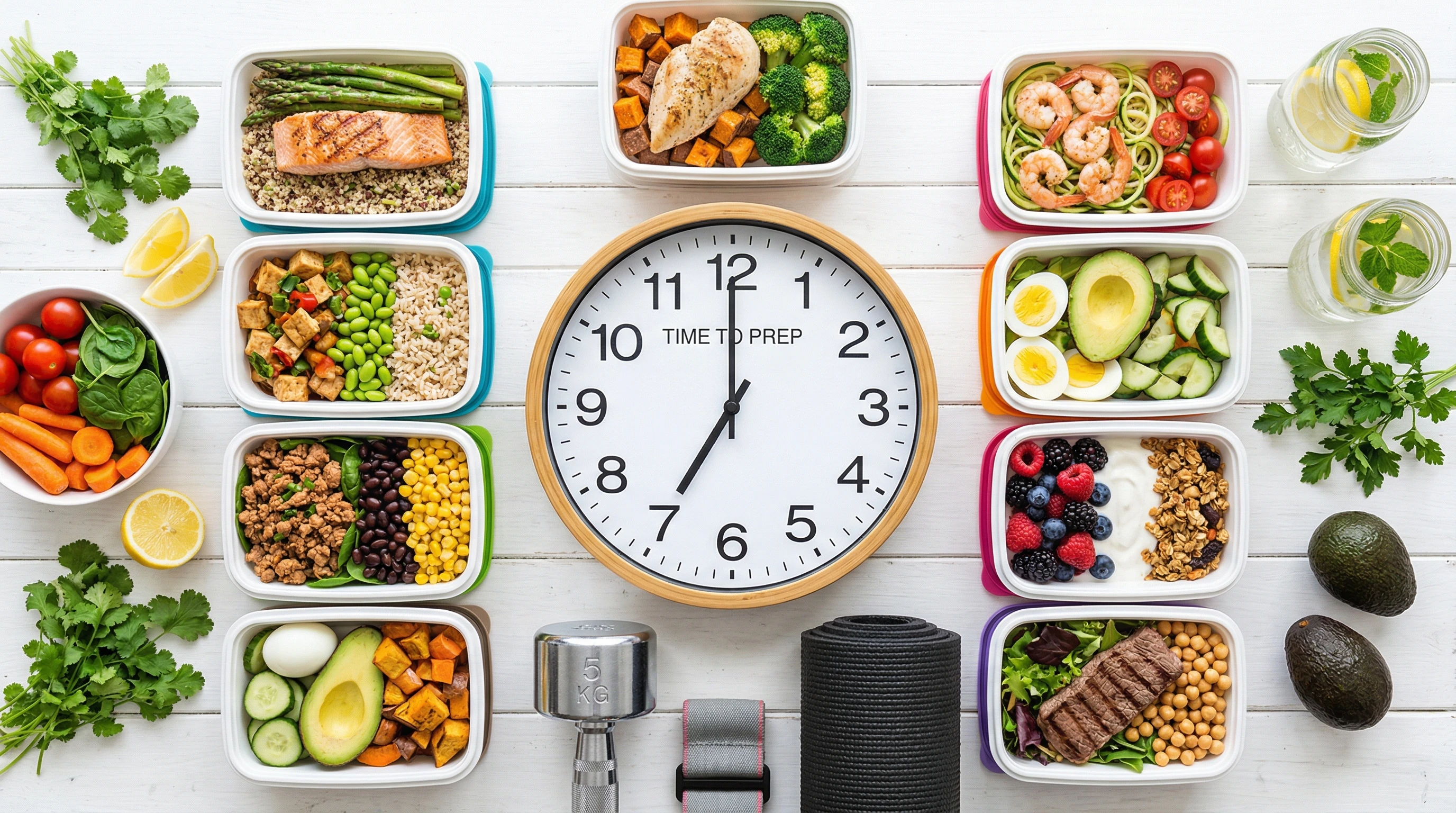
- Busy Schedule: Meal prepping ahead and keeping simple snacks handy (like nuts, fruit, Greek yogurt, or homemade protein bars) helps fill in gaps if you’re on the move. Batch-cooking grains or proteins once a week can make weekday meals less stressful.
- Lost Appetite After Training: If you can’t stomach a big meal right after your workout, a light smoothie or chocolate milk does the job until you’re ready for something more substantial. Gentle flavors and cool temps often go down easier post-workout.
- Late Night Hunger: A balanced snack like cottage cheese with fruit or wholegrain toast with turkey can curb hunger without derailing your progress. Avoiding excess sugar late at night helps keep sleep deep and hunger signals at bay.
It’s all about tracking down what’s practical, tasty, and actually fits your life, not forcing a schedule that’s tough to keep. Sometimes small swaps or prepped meals can totally change your experience for the better.
Prepping Ahead: Keeping Your Nutrition On Track
Planning goes a long way to keeping your meals on schedule. I’m a huge fan of prepping a few basics on weekends, such as grilled chicken, roasted veggies, or cooked grains, that make assembling meals faster. Keeping a stash of grab-and-go options helps too, especially if you end up stuck at work or running around all day. Even packing protein bars or trail mix in your car or bag means you always have something on hand to eat after a workout.
Planning out meals also helps take the guesswork out of daily routines. You save time, cut down on stress, and can focus on hitting your nutrition goals without scrambling for food at the last minute.
Common Questions About Meal Timing
Question: Should I eat before morning workouts if I’m not hungry?
Answer: It’s perfectly fine to work out on an empty stomach, but if you notice you’re dragging or lacking energy, even a small snack can give a boost. Listen to how your body feels and experiment with what works best for you.
Question: How close to bedtime is too close for eating?
Answer: Eating a big meal right before bed can make sleep tough for some, but a light snack is usually no problem, especially if you train late or are trying to support muscle repair overnight. Pay attention to how your body reacts and adjust as needed.
Question: Does meal timing matter if my calories and protein are on target for the day?
Answer: Hitting your daily goals is most important, but meal timing can help fine-tune energy, performance, and recovery. It isn’t all or nothing. Small changes can make a difference, especially if your goals are more advanced or specific.
Real-World Example: Balancing Meal Timing for Strength and Fat Loss
A few of the following small changes to meal timing can boost both strength gains and fat loss. Say you training for a powerlifting meet, focus on a hearty pre-workout meal about 90 minutes before lifting, and prioritize an easy-to-digest meal afterwards. For fat loss, keep meals regular and avoid snacking at night unless you really truly hungry. Consistency makes tracking results much easier and keeps my energy levels steady.
- If working out in the evening: Having a snack midafternoon means I don’t start my workout starving, and a balanced dinner afterward helps with recovery, setting up better sleep and muscle repair overnight.
- If training doubles (morning and evening): I space my meals with extra attention to carbs and protein after both sessions, making sure I’m not running on empty. Hydration between sessions is also crucial to stay sharp and support performance throughout the day.
Staying focused on my plan, making small changes as needed, and listening to feedback from my body make a real difference in my training and recovery outcomes.
Meal Timing and Special Diets
If you’re vegetarian, vegan, or follow another special diet, meal timing still matters. Spreading protein sources across the day is super useful for muscle-building, and pairing foods smartly helps pump up nutrient absorption. For folks with diabetes or blood sugar concerns, eating at set times can keep things more stable.
Mixing healthy plant proteins, using a variety of grains, and making time for consistent meals all add up for better performance and energy. Don’t be afraid to experiment within your dietary needs to find what feels best for you.
Final Thoughts on Meal Timing
You don’t need to follow super strict timing down to the minute, but building awareness of when you eat and how it supports your training is really important. A solid routine makes it easier to stay fueled, recover well, and stick with your goals. Trying out different schedules, paying attention to how you feel, and staying flexible will help you find what actually works in real life.
Food is fuel, and the timing piece just helps make that fuel a little more efficient for all the hard work you put in at the gym or on the track. Keep adjusting, stay curious about your routine, and remember it’s all about supporting your adventure toward better fitness.