Building a nutrition plan that helps you lose fat and actually keep it off isn’t always straightforward. There’s so much advice out there, it’s easy to get lost in the details, strict rules, or crash diets that don’t last. What really works for sustainable fat loss comes down to practical food choices, smart planning, and habits you can stick with long-term. In this guide, I’ll cover the basics you need to know, share my favorite science-backed strategies, and break down the real stuff that makes all the difference on this kind of adventure.
“Here’s a little transparency: This post contains affiliate links. This means if you click and make a purchase, I may receive a small commission. Don’t worry, there’s no extra cost to you. It’s a simple way you can support my mission to bring you quality content.”
Why Sustainable Fat Loss Nutrition Matters
Sustainable fat loss means losing weight in a way you can keep up without feeling miserable or constantly hungry. Lots of diets promise quick results, but the reality is, super strict diets are really hard to follow for months or years. That’s pretty frustrating if you’re looking for real, lasting change. A good nutrition plan doesn’t just help shed fat. It helps you build habits for health, better energy, and feeling confident in what you eat every day.
The global weight loss market is huge, and new fads pop up all the time. But a lot of folks end up regaining weight when the plan is too strict or just doesn’t fit their lifestyle. That kind of cycle gets exhausting. Focusing on nutrition habits, instead of jumping from diet to diet, is one of the best moves you can make if you want results that stick around.
Getting Started: Understanding Key Concepts in Fat Loss Nutrition
Starting out with fat loss nutrition doesn’t have to be complicated. A handful of core ideas make it way easier to put together a plan you’ll actually stick to:
- Calorie Deficit: This means eating a little less than your body needs so it uses stored fat for energy. You don’t need to starve yourself; even a modest calorie deficit works.
- Macronutrients: The three big groups—protein, carbohydrates, and fats—each play a different role. Getting enough protein is super useful for keeping muscle while you lose fat, for example.
- Enjoyable Foods: Picking foods you genuinely like makes it way easier to stick with your plan. No need to cut out everything you enjoy.
Here are some other terms you’ll see often:
- Satiety: How full you feel after eating. Foods higher in protein and fiber help with managing hunger.
- Meal Timing: While not as important as total intake, regular meal times can help some people feel more satisfied and less likely to snack mindlessly.
- Flexible Dieting: Allowing yourself treats and variety without guilt, rather than seeing foods as strictly “good” or “bad.”
Simple Steps to Build a Nutrition Plan for Sustainable Fat Loss
Building a plan that you can stick to is way more doable when you focus on some clear and achievable steps. Here’s a rundown that works for most people getting started:
- Find Your Baseline: Figure out roughly how many calories you eat now and what your usual foods look like. Tracking for a week can be eye-opening and doesn’t have to be stressful.
- Set a Realistic Calorie Target: A daily deficit of about 300 to 500 calories is comfortable for most people and won’t wreck your energy. There are plenty of online calculators to get a ballpark number, but even just trimming portions or skipping high-calorie snacks helps.
- Plan in Protein: Eating enough protein—around 0.7 to 1 gram per pound of body weight (or 1.2–2.0 grams per kilogram of body weight) —helps preserve lean muscle and keeps you fuller, longer. Chicken, fish, tofu, Greek yogurt, beans, and eggs are all solid picks.
- Include Filling Carbs and Healthy Fats: Whole grains, veggies, fruits, nuts, seeds, and avocado offer fiber and keep meals satisfying. Cutting out all carbs isn’t necessary.
- Keep It Flexible: Leave some calorie room for snacks or treats you enjoy. There’s no need to be “perfect.” Aim for consistency, not strictness.
These basics stack up, and you can always adjust as you go, depending on your results and how you feel.
>>> Learn how to shrink fat without starvation, endless cardio, or complicated rules.
What to Look Out For When Setting Up Your Fat Loss Nutrition
Like with any goal, there are a few common stumbling blocks that can slow progress. Knowing them ahead of time helps you keep going:
- All-or-Nothing Thinking: Getting off track for one meal or a single day isn’t a reason to quit. Most progress comes from jumping back in, not being “perfect” all the time.
- Hunger: Huge calorie cuts and skipping meals can leave you hangry and cranky, which sets you up for binging. Focus on protein and high-fiber foods to help manage appetite.
- Plateaus: Fat loss sometimes stalls after a few weeks. Usually, it’s just your body adjusting. Tweaking calorie intake a bit or adding short walks is usually enough to get things moving again.
- Overreliance on Fancy Supplements: Most fat loss supplements don’t make nearly as much difference as your food choices. Some people find protein powder handy, but you don’t need anything fancy to see results.
Managing Hunger
No one sticks to a plan if they’re starving all the time. Adding lean proteins, whole grains, veggies, and good fats (like nuts or avocado) makes meals more filling. Drinking water before meals or including foods with lots of volume, like side salads or veggie soups, also helps curb hunger and can keep cravings in check.
Fighting Diet Fatigue
Eating the same thing every day gets old fast. Rotate your veggies, protein picks, and seasonings to keep meals interesting. Batch-cook favorite recipes for a few days at a time for easy-to-grab meals, especially when life gets busy.
Making Your Plan Work in Real Life
Social events, cravings, a packed schedule, and family meals are all completely normal. Planning for these, like bringing a healthy dish to a party or stocking up on easy snacks at home, keeps you prepared. The best changes fit your actual life, not just what someone does in a perfect scenario.
Extra Tips and Tricks for Better Results
Dialing in your nutrition plan gets easier with a few tried-and-true tricks. Here are some that work well, both for myself and others aiming to lose fat and stay lean:
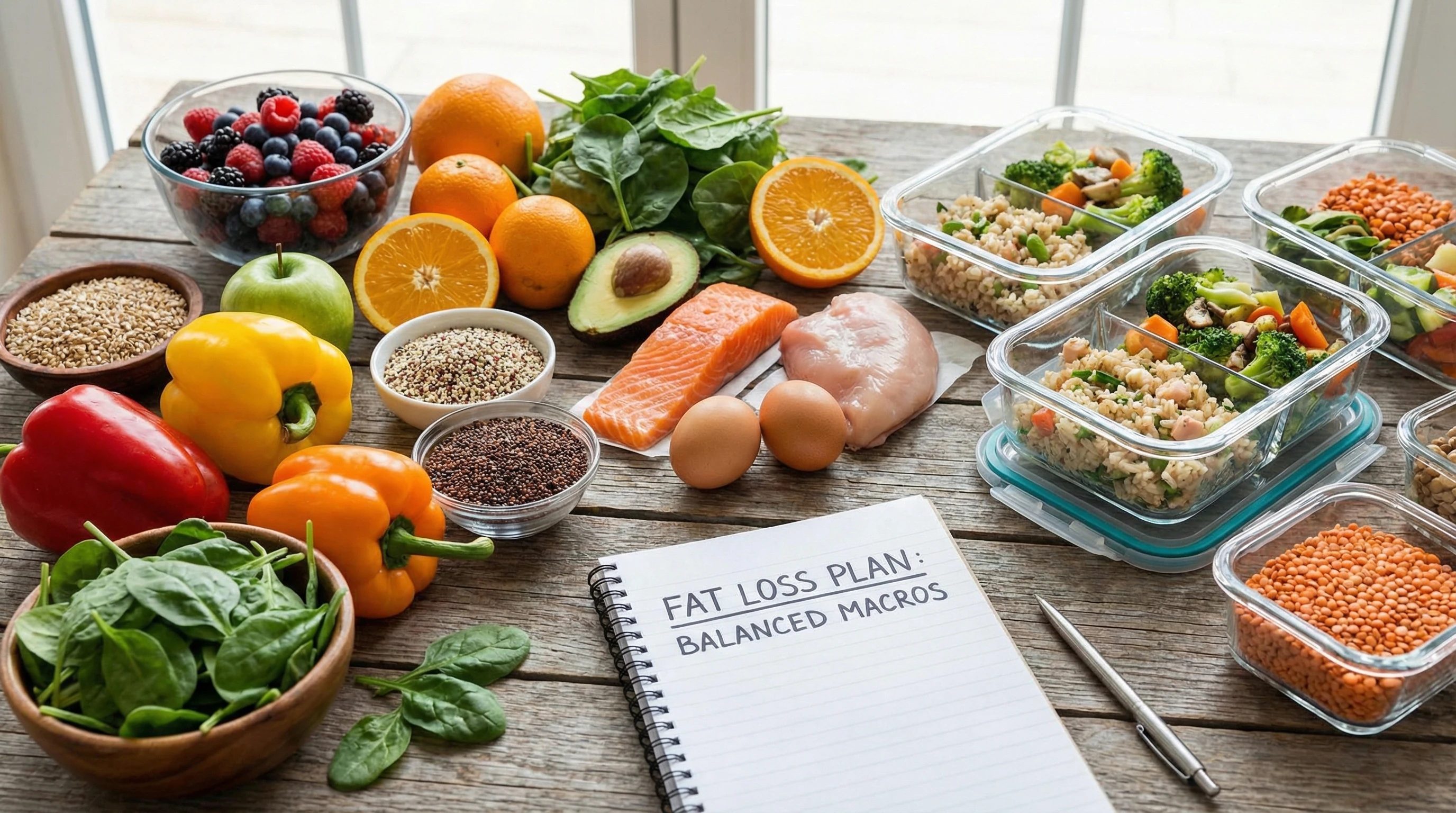
Meal Prep in Batches: Cooking a handful of basic recipes—chicken, roasted veggies, rice or quinoa—keeps healthy food ready for quick meals all week.
Eat More Mindfully: Slow down at mealtimes, notice when you’re getting full, and turn off devices while eating. You’re much less likely to overeat this way and you might actually enjoy your food more.
Include Foods You Crave: Banning all your favorite foods can really backfire. Planning for small treats (like chocolate, chips, or pizza) makes life feel less strict while keeping you on course.
Track Progress Without Obsessing: The scale isn’t the only marker of success. Notice how your clothes fit, what your energy feels like, or if you’re getting stronger in workouts. All of these are signs you’re making progress, even when the number doesn’t change right away.
>>> Build lifelong eating habits that keep the weight off.
Nutrition Staples for Sustainable Fat Loss
Certain foods just make it easier to stick to your plan. These are staples I keep at home, and they’re great for anyone aiming for healthy fat loss:
- Lean Proteins: Chicken breast, turkey, fish, eggs, Greek yogurt, cottage cheese, and a mix of beans.
- Whole Grains: Brown rice, quinoa, oats, wholegrain bread, and wholegrain pasta in sensible portions.
- Fruits and Vegetables: Pick your favorites and shake things up for variety. Berries, bananas, leafy greens, carrots, and tomatoes are all good picks.
- Healthy Fats: Avocado, nuts, seeds, extra virgin olive oil, and nut butters make meals satisfying and tasty.
- Hydration: Water first, but mineral water, herbal tea, and a bit of coffee or tea all work. Staying hydrated helps manage hunger and keeps you feeling your best.
>>> Here are 70 fat-burning recipes that taste great and use everyday ingredients.
Frequently Asked Questions
These are questions I get about nutrition and fat loss all the time:
Question: How fast is safe for fat loss?
Answer: Most people do well aiming to lose about 0.5 to 2 pounds (0.2 to 0.9 Kilograms) per week. It’s a pace you can stick to and it keeps muscle loss low.
Question: Can I lose fat without counting calories?
Answer: You definitely can. Focusing on healthy portions, eating protein and lots of veggies, and limiting sugary drinks can make a big difference. Tracking just helps if you like the numbers approach.
Question: Should I avoid carbs if I want to lose fat?
Answer: Carbs aren’t bad. Whole grains, fruit, and vegetables offer energy and nutrients. Choosing less processed carbs helps more than cutting them out completely.
Bringing It All Together
Nutrition plans for lasting fat loss aren’t about punishing yourself or always chasing the latest trend. It comes down to making steady progress through choices that feel doable for you. Focusing on foods you genuinely enjoy, planning around your life, and aiming for consistency over perfection lowers stress and keeps results coming. Small, manageable tweaks beat quick fixes every time. You can feel good about your food and your health regardless of any setbacks in the past.