Nutritional timing isn’t just something that pro athletes fuss over. It has a real effect on how well endurance athletes perform, recover, and stay healthy in the long run. Getting your nutrition strategy right—before, during, and after training or races—helps you feel stronger and more energized. If you spend hours running, cycling, or swimming, the way you time your meals and snacks can make a noticeable difference. Here’s what I’ve learned about nutritional timing for endurance athletes, and how you can apply it to your own training routine.
“Here’s a little transparency: This post contains affiliate links. This means if you click and make a purchase, I may receive a small commission. Don’t worry, there’s no extra cost to you. It’s a simple way you can support my mission to bring you quality content.”
Why Nutritional Timing Matters for Endurance Athletes
Pacing your nutrition is almost as important as pacing your training. I’ve watched plenty of athletes work their tails off but still fall flat partway through a race because they missed their fueling window or didn’t replenish what they lost. The basic idea is pretty simple: the timing of what you eat around your workouts makes a difference in how you feel and how you recover.
Endurance sports, like running marathons, cycling centuries, or long distance triathlons, demand a steady supply of energy. During exercise, your muscles use up stored carbohydrates (glycogen) and start breaking down fat for fuel. If you don’t replace those carbs at the right time, you may hit the dreaded “wall” or just fade out before the finish.
Research continues to stack up showing that athletes who eat with timing in mind often finish stronger, recover faster, and even experience fewer gut issues. While everyone’s body is different, the timing basics I talk about here work for most people just starting to dial in their nutrition.
Pre-Workout Nutrition: Setting the Stage
What you eat before a workout or race helps top up your energy stores and keeps hunger at bay mid-session. In my experience, the best pre-workout meals and snacks are easy to digest and packed with mostly carbohydrates, with just a little protein and low fat. This combo gives you lasting energy without weighing you down.
- Timing: A full meal works best 2–4 hours before go time. If you’re squeezing in a quick session or early morning workout, a light snack 30–60 minutes ahead is better than nothing.
- Meal Ideas: Oatmeal with berries, banana and peanut butter on toast, or rice with a bit of scrambled egg all work well for me.
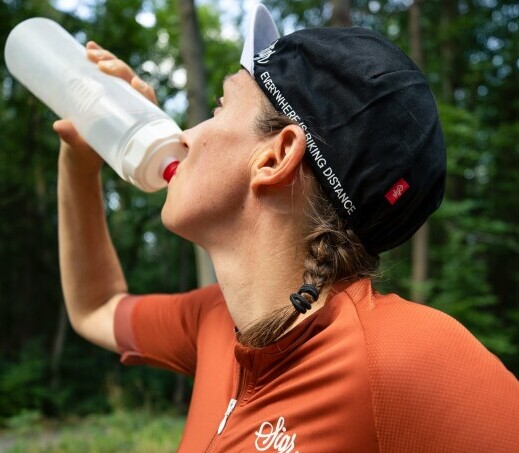
- Hydration: Don’t overlook your fluids! Sipping water or an electrolyte drink beforehand helps prevent cramps and keeps you from starting your workout already behind.
Try not to experiment with new foods before key events, as this can cause unexpected stomach upsets. A bland and familiar choice often works best, letting your body focus on the workout itself.
During Exercise: Keeping Your Engine Running
For any session longer than about an hour, you’ll probably need to fuel on the go. The right timing and type of carbs can keep your muscles supplied with energy. Early on in my training, I tried to power through with just water and ended up dragging my heels toward the finish line. That was a tough lesson learned.
- Timing: Start taking in carbs about 30–45 minutes into a session, and keep fueling every 20–30 minutes after. Don’t wait until you feel weak or foggy.
- What to Eat: Energy gels, chews, bananas, or sports drinks are super convenient. Aim for 30–60 grams of carbs per hour. Everyone’s gut is different, so it’s worth experimenting in training to see what feels best.
- Electrolytes: Sweat takes out sodium and other minerals, so include some salt in your drinks or snacks, especially if it’s hot out or the workout lasts more than 90 minutes.
If you train outdoors in the heat, pay extra attention to sodium and overall fluid needs, since this can make or break performance in longer events. Your sweat rate and tolerance for different products may take some trial and error to figure out.
Post-Workout: Jumpstarting Recovery
Refueling right after exercise is just as important as fueling during it, especially if you’re planning another big session soon. I’ve noticed that when I grab something to eat soon after finishing, my legs feel less heavy the next day and I bounce back quicker.
- Timing: Try to eat within 30–60 minutes after finishing. The sooner, the better for glycogen replenishment and muscle repair.
- What to Eat: A mix of carbs and protein does the trick. Chocolate milk, yogurt parfaits, turkey wraps, or recovery shakes are all solid choices.
- Protein: Aim for at least 15–25 grams to kickstart muscle repair. Carbs should outweigh protein, about 3:1 ratio.
- Hydration: Pay attention to how much you sweat. Replace lost fluids with water or a recovery drink, and keep sipping until your urine looks pale yellow again.
It’s easy to overlook post-workout meals after a hard session or a race, especially if you aren’t hungry right away. If this happens, try at least to have a recovery drink or smoothie, then follow with a balanced meal an hour or two later.
Common Challenges for Endurance Athletes
Every athlete I know has faced a few bumps trying to get their nutrition timing dialed in. Here are a few things I’ve had to work through, and seen friends struggle with too:
- Stomach Issues: Gel overload or trying new foods midrace often leads to cramping or worse. Only use what your stomach has handled in practice, and steer clear of the aid station “mystery cookies.”
- Timing Snafus: Sometimes races run late, you oversleep, or nerves mess up your pre-workout meal. Pack extra snacks and stay flexible. It happens to all of us.
- Hydration Mistakes: Both overhydration (leading to low sodium) and underhydration can hit performance hard. Practice your fluid intake during workouts, not just on race day.
Stomach Issues
Trying something new on race day is almost a guarantee for a trip to the porta-potty. Stick to tried and true snacks, and train your gut to handle race-day nutrition by practicing with gels or drinks during your longer sessions.
Late Timing
Switching your prerace meal to a snack if things run late keeps you from starting on empty. I keep a granola bar or banana in my bag as a backup just in case.
Hydration Mistakes
It took many athletes a while to figure out how much water they really need. Sweat tests (weighing yourself before and after a workout) give you a good idea of your own needs. This is super useful for planning race-day hydration.
Advanced Nutritional Timing Strategies
Once you’ve got the basics down, there are a few more strategies that can give you an extra edge. These are the kind of tricks I like to suggest to more experienced athletes or those working toward big personal goals.
Carb Loading: A couple days out from a long race, you can increase your carb intake to top off your glycogen stores. I usually boost my carbs about 48 hours before a marathon, opting for rice, pasta, or potatoes with lean protein.
Protein “Pulses”: Spreading protein intake throughout the day (every 3–4 hours) helps with continuous muscle repair—especially if you’re training twice a day. Eggs at breakfast, yogurt at lunch, and a protein shake after workouts work nicely.
Fast-acting vs. Slow-acting Carbs: For immediate energy needs, simple sugars (like those in sports drinks or gels) are better. For longer sustained efforts, I like oats or whole grain toast earlier in the day.
Supplementation: I’ve seen benefits from carrying electrolyte tablets during hot events or using caffeine for an energy boost. Always try these in training so you know how you respond.
These advanced approaches aren’t just for the pros—any endurance athlete can try them with a bit of curiosity and willingness to test out new routines before their target event. Make notes after your sessions and see what truly gives your performance a boost. As you become more comfortable, consider working with a sports dietitian for extra insight tailored to your needs or unique challenges.
The Basics: Key Nutrition Practices for New Endurance Athletes
Getting nutritional timing right doesn’t mean doing anything complex or high tech. A few simple routines go a long way:
- Regular Meals: Eating evenly throughout the day (every 3–4 hours) helps keep energy steady and prevents those “hangry” crashes during workouts.
- Pre-Training Snacks: If you’re hungry before training, grab something that sits well in your stomach and provides a quick carb hit.
- During Longer Workouts: Bring portable snacks or drinks so you don’t rely on unpredictable race supplies. Practice using them so there are no surprises.
Applying these habits early in your adventure makes nutrition timing feel less like guesswork and more like a reliable part of your game plan. I’ve noticed that even small tweaks, like adding a banana before a hard session, really help me hold strong in those final miles.
Frequently Asked Questions
Here are some common questions that I’ve heard other endurance athletes ask, plus my go-to answers:
Question: Should I eat even if I’m not hungry before a workout?
Answer: Usually, yes. Even a small snack gives you a boost and helps avoid dips during the session. Try a banana or slice of toast if a full meal feels like too much.
Question: Is it better to drink water or a sports drink during long workouts?
Answer: For sessions or races lasting over an hour, a sports drink that includes electrolytes and carbs is often more helpful than water alone. For shorter workouts, water is just fine.
Question: How do I avoid stomach problems while running or riding?
Answer: Stick to nutrition you’ve tested in practice, avoid high fat or high fiber foods right before intense sessions, and pay attention to timing. Avoid eating right before exercise start time.
Takeaways for Endurance Athletes
Nutritional timing gives you more than just an edge at your next race or big workout. It’s also about feeling better, recovering faster, and staying healthy over months of hard training. You don’t have to overhaul everything overnight. Even small changes, like eating breakfast earlier, sipping on carbs during workouts, or mixing in protein after, can make a noticeable difference. The more you pay attention to how your body responds, the easier it is to find a routine that fits your own needs. That flexibility and willingness to experiment is what keeps me fueled and feeling good, no matter how far or fast I go.