
Creatine is a supplement you’ll hear about any time muscle growth or performance is discussed. I’ve checked out the research, tried it myself through numerous training blocks, and heard plenty of stories at the gym from folks who are big fans. Still, confusion lingers. How does creatine really help muscle growth, is it safe, and what happens if you take it daily? If you’re thinking about adding creatine to your routine, understanding what it can—and can’t—do for you is really worthwhile.
“Here’s a little transparency: This post contains affiliate links. This means if you click and make a purchase, I may receive a small commission. Don’t worry, there’s no extra cost to you. It’s a simple way you can support my mission to bring you quality content.”
What Does Creatine Actually Do for Muscle Growth?
Creatine gives your muscles quick energy for exercise. Muscle cells store creatine as phosphocreatine, which helps refill ATP (adenosine triphosphate)—the main fuel source for fast, intense bursts like heavy lifting or sprints. Extra creatine in your system lets your muscles grind out more reps before tiredness sets in.
Most growth benefits are thanks to harder training and smoother recovery. Here’s what I’ve tracked down and what research shows:
- Increased power output: More strength per set lets you pile up more volume across sessions, a key ingredient for muscle growth.
- Better recovery: Creatine may reduce cell damage and inflammation. For me, that means bouncing back faster for the next workout.
- Cell hydration: Creatine pulls more water into muscle cells. That supports protein building and gives you that pumped, fuller look after a few weeks.
Practically speaking, regular creatine use leads to faster progress in both strength and lean muscle, particularly if you’re new to lifting or pursuing personal bests. Plenty of studies back up these changes for folks of all ages, men or women. That’s why it’s one of the most researched sports supplements you’ll find.
Downsides and Possible Side Effects of Creatine
Creatine’s popularity doesn’t mean there are no downsides, but most side effects are mild. Knowing what to expect helps avoid surprises. The biggest side effect is water retention; my muscles usually look a bit puffier after the first week. This is temporary, since muscle cells are just soaking up extra water, not piling on body fat.
Other minor annoyances you might hear about (and that I’ve run into sometimes):
- Stomach discomfort or bloating, especially if you take a big dose without enough water.
- Occasional muscle cramping, though being well-hydrated usually prevents this.
- Weight gain—again, mostly from water early on. Not a bad thing if muscle is your goal.
The talk about long-term kidney risk pops up regularly. So far, though, research shows that healthy people using recommended doses are in the clear. If you have kidney problems, check with your doctor first.
Is Creatine Safe for Daily Use?
Creatine comes off as one of the safest sports supplements around for healthy adults. I’ve taken it daily during periods focused on strength or muscle gains, and never had issues. There’s a big batch of research that tracks people for many months (sometimes years) and finds no health risks in healthy folks.
The regular daily dose—3 to 5 grams—works for just about everyone. There’s no rule that says you need to take breaks, though you can for your own reasons. The only thing I watch for: stay hydrated, since creatine increases water pulled into muscles.
What Happens When You Stop Taking Creatine?
Deciding to stop creatine doesn’t bring major changes. The extra water in your muscles starts to fade in a few days, so you may lose some “pumped” look. Muscle strength and size stick around if you keep up your training. You lose a bit of high-intensity energy, but no strength or muscle will just vanish overnight.
Your body switches back to relying on creatine from your diet (like meat and fish). After a month, your levels settle back to where they were pre-supplement.
When Is the Best Time to Take Creatine?
Creatine timing isn’t critical. I’ve taken it before and after training, with pretty much the same results. Some research hints that post-workout creatine, especially with carbs and protein, may get it into your muscles a little faster, but the difference is minor.
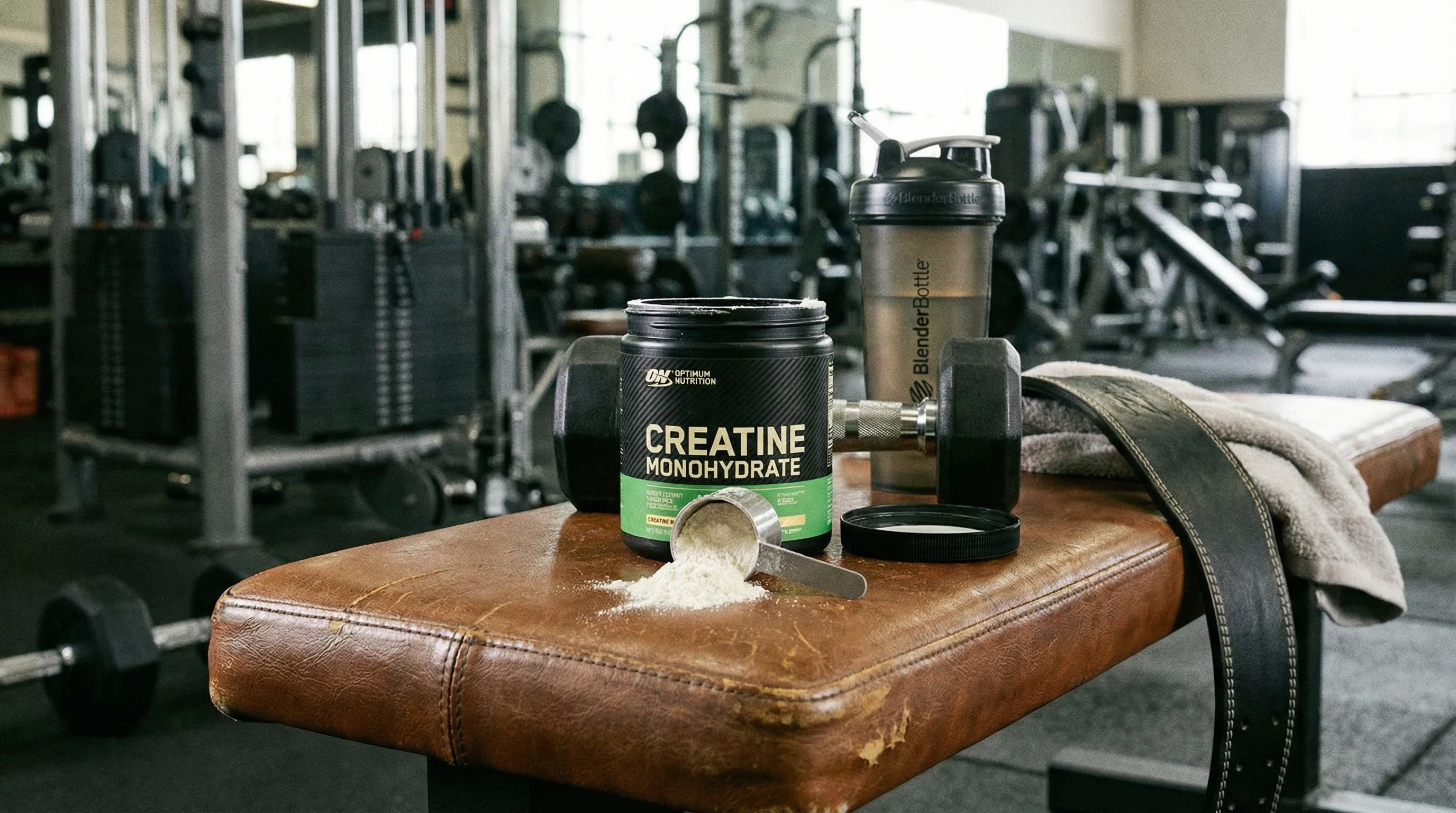
Personally, I just dump it in my shaker bottle with either a pre- or post-gym drink—whatever fits the routine and helps me remember it.
How Much Creatine Do You Need to Build Muscle?
The go-to dose: 5 grams a day of creatine monohydrate. That brings most people to full muscle saturation in 3 or 4 weeks. Some folks start with a “loading phase”—20 grams per day (split into four smaller takes) for 5–7 days to get muscle stores up quicker, then shift down to 5 grams daily for maintenance.
I’ve tried both strategies and, honestly, they work out the same in the long haul. Loading just gets you “fully loaded” a bit faster, but if you’re patient, the daily 5-gram dose works.
If you want to take it real slow or are on the smaller side, try 3 grams a day. But usually 5 grams is simple, and it lines up with what research suggests.
How Quickly Will You See Results from Creatine?
Usually, I spot water retention in the first week—muscles feel and look fuller. The real muscle and strength progress shines through a few weeks later, once your muscles hit full creatine saturation. Most research and real-world stories say 4 to 6 weeks is where the extra strength and muscle growth starts to get obvious, especially for major lifts like squats and bench press.
If you’re new to lifting or eat little meat, you might see a bigger impact. Seasoned gym-goers get a nice boost, but remember—creatine isn’t magic, you’ve still got to put in the effort.
Is Creatine Worth Adding to Your Supplement Stack?
Given the low price and solid history of research, creatine is among the best bang-for-buck supplements if muscle and strength are on your radar. It’s affordable, backed by science, and the risk level is low for most people. The small edge it brings in power and endurance definitely stacks up over months of training.
Some people don’t respond much to creatine, but for the majority, it’s a worthwhile add-on. If your routine already covers good training, nutrition, and sleep, creatine is a quick win to nudge progress ahead.