Fiber often takes the backseat in fitness nutrition conversations, but its impact goes way beyond keeping digestion on track. From helping athletes stay energized to assisting with healthy weight management, fiber plays some pretty important roles for anyone working on their fitness goals. I want to show you why fiber could be the missing piece in your nutrition routine. Whether you’re a weekend warrior, a gym newbie, or training seriously for an event, understanding fiber’s many benefits is key to moving ahead.
“Here’s a little transparency: This post contains affiliate links. This means if you click and make a purchase, I may receive a small commission. Don’t worry, there’s no extra cost to you. It’s a simple way you can support my mission to bring you quality content.”
Why Fiber is Really Important for Fitness
A lot of people focus on protein and carbs, but fiber is one of those nutrients that quietly supports your performance, inside and outside the gym. Here’s why I make sure to keep fiber in my daily plan:
- Steady Energy: Fiber slows down how quickly you digest carbs, so you get a much steadier stream of energy instead of those sudden sugar spikes and crashes during workouts.
- Better Digestion: Eating enough fiber keeps you regular, helps prevent digestive discomfort, and may even help your body absorb nutrients more efficiently. That’s super useful when you want every meal working hard for you.
- Support for Healthy Weight: Highfiber foods are filling but usually lower in calories, so they can help you manage your appetite and make healthier food choices throughout the day.
- Blood Sugar Benefits: Fiber helps maintain steadier blood sugar levels, which reduces fatigue and boosts your endurance during demanding workouts.
When you’re working on improving strength, endurance, or even just trying to look and feel better, keeping your energy stable and your body in balance is key. That’s where fiber really shines and proves just how big an impact it can have beyond just digestion.
>>> Try this plant-based fiber that nourishes your gut’s good bacteria and helps them grow.
The Role of Fiber in Everyday Nutrition
Fiber is far from being just some filler. It actually does a bunch of cool things in the body, setting the stage for better nutrition and well-being. There are two main types you’ll hear about:
- Soluble fiber (like that found in oats, beans, and apples) dissolves in water, forming a gellike substance in your gut. This helps lower cholesterol and keep blood sugar in check.
- Insoluble fiber (like in whole wheat bread, veggies, and brown rice) doesn’t dissolve. It adds bulk to your stool, keeping everything moving smoothly through your digestive system.
Eating a mix of both types helps your gut stay healthy, supports your body’s natural detox processes, and even feeds the helpful bacteria in your intestines. Those good bacteria do more than just help with digestion. They can calm inflammation and support your immune system, which comes in handy if you’re training hard or recovering from a tough workout. By including a variety of fiberrich foods, you’re not only supporting your training but also giving your body tools for overall health.
What Happens When You Boost Your Fiber Intake?
If you usually eat a lot of packaged foods or don’t get many fruits and veggies, adding more fiber can actually feel like a noticeable change. Here’s what many people experience when they start eating more fiber-rich foods:
- You’ll probably feel fuller, faster. This can help with healthy weight management and reduce the urge to snack mindlessly.
- Bathroom visits often get more consistent, and can even become quicker and more comfortable.
- You might notice fewer blood sugar crashes or wild hunger swings, especially if high protein, high carb meals left you feeling sleepy or edgy before.
- Your gut bacteria start to switch up in a good way, promoting a healthier balance and leading to a stronger digestive system.
- There may also be improvements in energy levels, mood, and even skin health, all thanks to that steady digestive rhythm you get when you eat enough fiber.
One quick tip: boosting fiber suddenly can cause some temporary bloating, gas, or cramping. I found it works best to increase fiber slowly over a few days, and always drink more water to help things move along smoothly. Your body needs time to get used to higher fiber levels, so take it slow and listen to what feels right for you. Getting enough water also helps ease any discomfort as your digestive system adapts.
High fiber Foods to Try Out
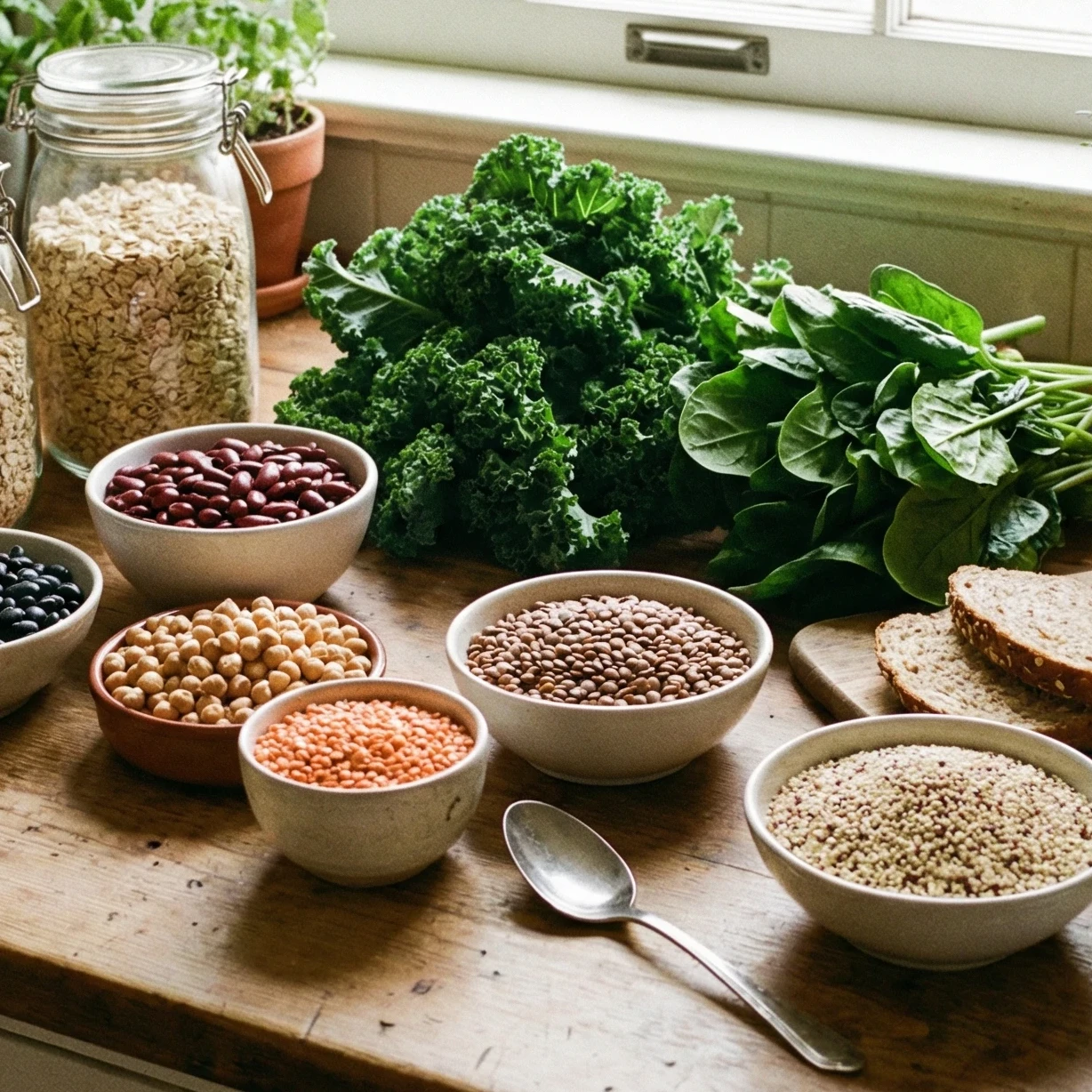
Getting more fiber doesn’t mean you have to switch to bland or boring foods. A lot of super tasty options happen to be fiber-rich, and you can fit them into pretty much any eating plan. Here are foods I reach for when I want to up my fiber game:
- Oats: Classic for a reason. A bowl of oatmeal is great before morning workouts and keeps you full for hours.
- Lentils and Chickpeas: Budget friendly, easy to cook, and amazing in soups, salads, or even homemade veggie burgers.
- Beans: Black beans, kidney beans, and navy beans all pack in a bunch of fiber and plant protein.
- Berries: Raspberries and blackberries are especially high in fiber, and they’re awesome on yogurt, cereal, or even just by the handful.
- Leafy Greens: Spinach, kale, and Swiss chard boost your fiber, vitamins, and minerals all at once.
- Whole Grains: Brown rice, barley, quinoa, and even air popped popcorn count as high-fiber grains.
- Nuts and Seeds: Almonds, chia seeds, and flaxseeds give you a quick fiber boost and some healthy fats as a bonus.
- Root Vegetables: Carrots, beets, and sweet potatoes are a different way to get more fiber, plus they offer extra antioxidants and nutrients.
- Avocado: Surprisingly good source of both fiber and healthy fats, making it a delicious addition to salads, sandwiches, or toast.
Trying out new ingredients and switching up your meals is one of the simplest ways to get more fiber without feeling like you’re on a strict diet. For more ideas, Harvard’s School of Public Health has a practical list of fiber-rich foods worth checking out. Making small swaps, like choosing whole-wheat pasta or adding extra veggies, adds up quickly without much extra effort.
Practical Tips for Adding Fiber if You’re Active
Whether you’re training for a 5k or just want to recover faster after a strength session, weaving more fiber into your eating routine can pay off. Here’s how I like to do it without messing up my pre or post-workout meals:
- Start your day with a fiber-rich breakfast. Try oatmeal with chia seeds and berries for a serious boost.
- Mix beans or lentils into salads, taco fillings, or grain bowls for lunch or dinner. They’re satisfying and keep your blood sugar steady.
- Snack on raw veggies, hummus, or a handful of nuts instead of chips or cookies between meals.
- Choose whole grain versions of bread, pasta, and rice whenever you get the chance. They taste heartier and have more staying power.
- Carry fruit like pears, apples, or bananas for a fiber-friendly snack that doesn’t need any prep.
- Batch prep a veggie soup or bean chili at the start of the week; these meals are easy to reheat and naturally packed with fiber.
One thing I’ve learned is timing matters. Eating a huge serving of fiber right before a workout can sometimes cause stomach cramps for some people. Try to plan high-fiber meals two to three hours before movement, or save your biggest fiber hits for after you’re done exercising. Adjust based on what feels best for you. Everyone is different and experimenting a little will help you figure out what works best for your body and your training schedule.
Common Questions About Fiber for Fitness
Here are a few quick answers for folks trying to fit more fiber into a fitness routine:
Question: Is it possible to get too much fiber if I’m active?
Answer: Most people don’t hit the daily recommendations, which range from 25 to 38 grams, but too much (like 50g or more per day) can sometimes lead to bloating or interfere with mineral absorption. Just listen to your body and increase slowly to avoid discomfort.
Question: Should I use fiber supplements or stick to whole foods?
Answer: Whole foods are usually best since they come packaged with vitamins, antioxidants, and water. However, supplements like psyllium can help if you’re struggling to get enough. It’s always smart to ask a dietitian before making any big changes to your diet.
Question: How long does it take for my body to adapt if I increase fiber?
Answer: It usually takes about a week for your digestion to adjust. Aim for gradual increases and plenty of fluids for the smoothest experience and the best results.
The Bottom Line on Fiber and Fitness Nutrition
Fiber isn’t just about digestion. It helps with stable energy, recovery, and keeping those hunger pangs under control; all of which add up when you’re trying to make progress in your fitness adventure. Finding ways to eat more fiber rich foods pays off for your gut, your performance, and your overall wellbeing. If it’s not already something you pay attention to, it’s honestly worth adding to your nutrition playbook.
Stay curious, experiment with new foods, and remember that what works for your body might look a bit different from someone else’s. Keep checking in with your body, try new recipes, and let fiber be one of the secret weapons in your fitness plan.