Understanding how proteins work is foundational for anyone aiming to build muscle and improve overall health. Proteins play a direct role in creating, repairing, and maintaining the muscles in the body. If you’re interested in how muscle growth occurs or want to know why diet matters, learning about proteins is crucial.
“Here’s a little transparency: This post contains affiliate links. This means if you click and make a purchase, I may receive a small commission. Don’t worry, there’s no extra cost to you. It’s a simple way you can support my mission to bring you quality content.”
Why Proteins Matter for Muscle Growth
Proteins are often called the building blocks of muscle, but that’s more than just a catchy phrase. Muscle fibers are truly made of long chains of protein molecules. When you exercise, especially with weights or resistance, you create tiny tears in your muscle fibers. Protein steps up to repair those tears. Over time, these repairs make your muscles stronger and sometimes larger.
Understanding what proteins really are makes it easier to make smart nutrition and workout choices. Proteins are made up of smaller components called amino acids. Some of these amino acids can be created by your body, while others, called essential amino acids, must come from the foods you eat. Without enough protein, muscle repair and growth slow down—no matter how much you train.
The Science of Proteins
People just starting with weight training or healthy eating often ask what exactly makes up a protein and how it works. At a basic level, proteins are large molecules made of amino acids linked in specific sequences. There are twenty amino acids in all, and their order determines both the type of protein and its function.
- Amino acids: These are the basic components that link into chains to form a protein. Some are essential—your body can’t make them—while others are nonessential.
- Peptides: Shorter chains of amino acids. As peptides get longer, they form full proteins.
- Muscle protein synthesis: This is the process by which your body puts amino acids together to build new muscle proteins either after working out or after a meal containing protein.
The balance between muscle protein synthesis and muscle protein breakdown is vital for building muscle. Growth happens when synthesis outpaces breakdown. The type and amount of protein in your diet can tilt this balance in your favor.
Sources of Protein for Muscle Building
One of the biggest changes when aiming to get stronger is focusing on protein sources. Not all proteins are created the same way. Both the quality and quantity of protein matter.
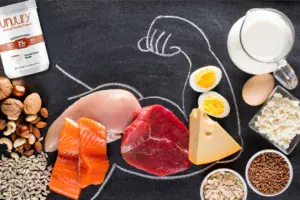
- Animalbased sources: Foods such as chicken, turkey, eggs, fish, dairy, beef, and pork are considered complete proteins. They offer all the essential amino acids your muscles need.
- Plantbased sources: Beans, lentils, tofu, tempeh, and quinoa are also excellent, even though some might be missing a few essential amino acids. Mixing different plant proteins covers all your amino acid needs if you are vegetarian or vegan.
People with busy schedules or dietary restrictions sometimes use protein powders like whey, casein, or pea protein. These are supplements—not replacements—for whole foods, and help when getting enough protein from meals is tricky.
How Much Protein is Enough?
Athletes and active folks frequently ask: “How much protein do I actually need for muscle gain?” The answer varies based on body weight, age, activity level, and your fitness goals. Generally, research and health organizations suggest about 0.8 to 1.0 grams of protein per kilogram of body weight for healthy adults. If you want to build muscle, aiming for 1.2 to 2.0 grams per kilogram is smart.
Here’s how to figure it out:
- Change your body weight from pounds to kilograms (divide your pounds by 2.2).
- Multiply that number by 1.2–2.0, depending on training intensity and your goals.
For someone weighing 70 kilograms (about 154 lbs), daily protein intake for muscle building will fall between 84 and 140 grams. Spreading this target across your meals throughout the day leads to better absorption and more consistent muscle repair.
Tips for Getting Enough Protein Each Day
Getting sufficient protein, especially with a busy lifestyle, takes a little planning. Here are practical ideas to help you get there:
- Include protein in every meal: Add eggs to breakfast, grab chicken for lunch, or toss beans into your dinner to keep protein levels stable throughout the day.
- Snack wisely: Snack options like Greek yogurt, cottage cheese, or a quick protein smoothie offer both nutrition and convenience.
- Prep ahead: Cooking protein rich foods on the weekend makes it easy to stick to your plan, even during hectic weekdays.
Another useful tactic is checking nutrition labels. This helps you spot which packaged foods genuinely deliver protein—many “health bars” are lower in protein than you’d expect.
Common Myths and Misunderstandings About Protein
Protein is a hot topic, so misinformation is everywhere. Here’s what stands out based on personal experience and research:
- Myth: Eating more protein always means building more muscle. Going over your protein needs doesn’t instantly make muscle mass grow. Extra calories, exercise stimulus, and good rest are also significant factors.
- Myth: Protein only matters immediately after your workout. Protein is definitely useful after exercise, but the overall daily intake is what really counts for muscle repair and growth.
- Myth: Only animal based protein builds muscle. Both plant and animal proteins can support muscle growth. What matters is getting all the essential amino acids, which is easy with some creative meal planning.
Challenges with Protein and Muscle Building
Meeting protein goals can be a challenge at times, especially with diet restrictions or budget limits. Here’s what can help:
- Digestive issues: Some people feel discomfort with too much protein powder or dense protein foods. Drinking enough water and eating fiber from fruits and veggies helps digestion.
- Allergies and dietary needs: Vegans or those with lactose intolerance need to check for hidden ingredients and pick alternatives that still offer quality protein.
- Budget: Animal proteins often cost more, but plant based proteins like beans or lentils are affordable ways to hit your targets.
Keeping Protein Exciting
A monotonous diet is a fast track to getting bored and quitting. Varying your protein sources—like switching between tofu stir fries, lean beef wraps, or lentil soups—makes meals more enjoyable. Trying new herbs, spices, or international cuisines keeps meal times interesting and helps you stick with healthy habits.
Busting Through Plateaus
It’s not unusual to run into plateaus, where muscle growth pauses even when hitting your protein goals and following your workout plan. When this happens, doublecheck that you’re meeting both protein and calorie needs, shake up your workout routine, and be sure you’re sleeping well. Food journals or tracking apps provide clarity about where your intake might need tweaking.
Practical Benefits of Understanding Protein
Gaining insight into protein and how to weave it into your daily meals makes a noticeable impact on strength, stamina, and how quickly you recover. When fueling with a protein-rich diet tailored to your needs, muscles tend to rebound faster and grow more consistently compared to times when nutrition is neglected.
- You may feel more energized and less sore after workouts when meeting protein needs.
- Overall mood and mental focus can get a boost, thanks in part to stable blood sugar from enough protein.
- Feeling full and satisfied after meals means less temptation from unhealthy snacks or junk food.
Frequently Asked Questions
Here are answers to a few common protein and muscle building questions:
Question: Can I build muscle on a vegetarian or vegan diet?
Answer: Absolutely. Many people have built muscle strength and size while eating only plant based proteins. Combining different protein sources daily will get you all the essential amino acids.
Question: Is it possible to have too much protein?
Answer: For most healthy adults, a moderately high protein intake is safe, but consistently going well above your needs won’t speed up muscle growth and can add strain for those with kidney concerns.
Question: Do I need protein supplements?
Answer: While supplements like shakes and powders add convenience, they’re not a must. Whole foods are generally preferable for most people.
Wrapping Up: Start Building with Protein
Digging into how proteins work for muscle growth has helped set up effective routines that match fitness goals. Paying attention to daily protein intake, mixing up food choices, and busting some persistent myths all make lean muscle and fast recovery much more achievable. If you’re aiming to improve your health or gain strength, tracking how proteins impact your results is a powerful first step.