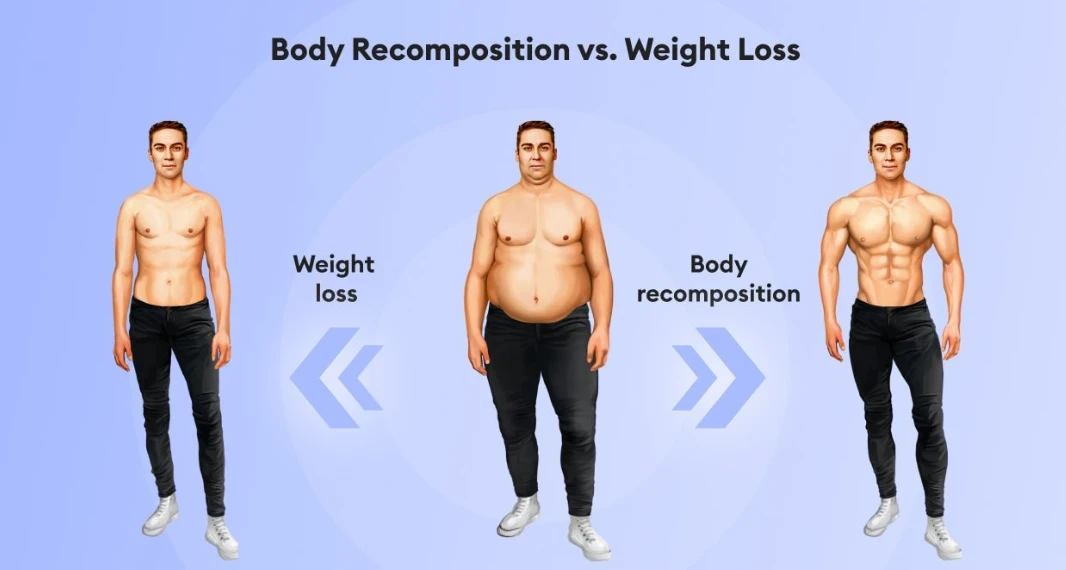
Body recomposition is a popular approach for those who want to lose body fat and build muscle at the same time. Instead of just focusing on the number on the scale, this strategy aims to change your body shape and composition. You want leaner muscle and less fat. Figuring out the nutrition side of things can be tricky, especially with all the different opinions floating around. Here’s my take, based on both research and what has worked for me and people I’ve seen go through it.
“Here’s a little transparency: This post contains affiliate links. This means if you click and make a purchase, I may receive a small commission. Don’t worry, there’s no extra cost to you. It’s a simple way you can support my mission to bring you quality content.”
What Is Body Recomposition?
Body recomposition refers to switching up your body’s ratio of muscle to fat, ideally adding muscle and losing fat at the same time. It’s different from the traditional “bulking and cutting” cycle where you gain weight to add muscle and then cut fat afterward. Instead, the focus is on steady improvements in how you look and feel, not just what shows up on the scale.
This method works especially well for beginners or for people coming back to the gym after a break, thanks to something called “newbie gains.” Still, with the right nutrition and training, almost anyone can see positive changes. The pace might slow after the initial rush, but the progress is real.
How to Eat for Body Recomp
Dialing in your nutrition plays a critical role in body recomposition. You need to eat enough to fuel muscle growth but keep things tight so your body taps into fat reserves instead of storing more. Here’s what you need to know.
- Protein Intake: Eating enough protein is crucial. Try for about 0.7 to 1 gram of protein per pound of body weight per day. Protein keeps you full, protects your muscles during a calorie deficit, and gives your body what it needs to build new muscle.
- Calorie Balance: The goal isn’t a massive calorie surplus or deficit. Aim for a slight deficit, or stick to maintenance calories. Think of it as eating just enough to support muscle recovery, but not enough to store extra fat. Some people even mix things up by eating more on training days and less on rest days.
- Smart Food Choices: Focus on nutrient dense foods. Lean meats, eggs, Greek yogurt, tofu, beans, whole grains, fruits, and veggies are all great picks. These fill you up without adding a ton of extra calories.
- Meal Timing: There’s no magic secret for meal timing, but spreading protein throughout the day (with all main meals and at least one snack) can help maximize muscle protein synthesis. I aim for 20–40 grams of protein per meal.
- Carbs and Fats: Both are important. Carbs help you crush your workouts and recover faster, while fats support hormones crucial for muscle building and fat loss. Avoid the trap of going ultra low carb or low-fat if you want solid performance and results.
Common Body Recomposition Mistakes
Plenty of people get frustrated when trying to recomp, often running into these issues:
- Not Eating Enough Protein: If you fall short on protein, muscle gain slows way down, especially in a calorie deficit.
- Too Much or Too Little Calorie Deficit: If you eat too little, your energy tanks and muscle-building suffers. Overeat, and fat loss stalls out.
- Ignoring Strength Training: Nutrition alone isn’t enough. You have to send your body the message to build muscle by lifting regularly.
- Relying on Cardio Alone: Cardio helps with fat loss, but without strength training, you risk losing muscle too.
- Impatience: Body recomposition is a steady, slower process. Progress is easier to spot in the mirror or with measurements, not always on the scale.
Nutritional Guidelines for Body Recomp
Here are practical guidelines to keep in mind for eating for body recomp:
- Track Your Calories for a Few Weeks: Get a sense of what you’re actually eating and how your body responds. Lots of people misjudge their intake.
- Pair Every Meal with Protein: Make sure every meal includes a decent source of protein.
- Include Veggies and Complex Carbs: These fill you up, provide fiber, and help you power through tough workouts.
- Don’t Fear Healthy Fats: A little goes a long way for appetite control and hormone support.
- Hydrate Well: Stay on top of your water intake. Hydration boosts metabolism, aids recovery, and keeps hunger in check.
How to Tell if Body Recomposition Is Working
You may not always see changes on the scale, but here are signs you’re making progress:
- Clothes Fit Differently: Even if your weight doesn’t change, your pants and shirts could start fitting better.
- Body Measurements Change: Checking your waist, hips, arms, and chest every few weeks can reveal progress the scale won’t show.
- More Muscle Definition: One of the best motivators. Your arms, shoulders, and abs begin to look more toned.
- Strength Increases: If you’re adding weight or reps in the gym, you’re likely building muscle.
- Energy and Wellbeing Improve: Feeling more energized, getting better sleep, and recovering faster all indicate your plan is working.
How Long Does Body Recomposition Take?
Body recomposition is not a quick fix. Depending on your starting point, some results might show up in 6–8 weeks, especially if you’re new to lifting. For most, it takes 3–6 months (if not longer) to see clear changes in photos or in the mirror. Beginners see the fastest results, while more experienced lifters and those closer to their “goal look” will notice slower, but more refined progress.
If you’re more advanced, don’t get discouraged. You might need to switch up your program or adjust your nutrition slightly to keep things moving forward, but it’s all part of the challenge.
Advantages and Disadvantages of Body Recomposition
Trying to blend muscle gain and fat loss at once comes with both perks and drawbacks. Here’s a rundown:
- Advantages:
-
- Avoids the “bulky” phase, so you don’t feel bigger or less lean
- Better for metabolism as you skip wild swings in calories
- More sustainable, with no extreme yo-yo dieting involved
- Progress is visible in muscle tone and fat loss, sometimes at the same time
- Disadvantages:
-
- Progress is usually slower than just bulking or cutting
- Requires close attention to calorie tracking, training, sleep, and protein
- The scale might not change much, which can be frustrating
- Gets harder as you gain more experience—the closer you are to your ideal look, the slower changes come
>>> Click Here to finally understand how to reshape your body, not just lose weight or gain size.
Challenges and Tips for Overcoming Them
Working toward body recomposition brings some challenges, but here are tips to smooth the way:
- Consistency: Sticking with good nutrition and regular workouts is more important than perfection. Missing a day or having one off meal won’t derail your progress.
- Sustainability: Build menus and routines around foods and activities you enjoy. If you dislike some piece, swap it out for a nutritious alternative you do enjoy.
- Recovery: Good rest and sleep matter as much as training or food choices. If you’re constantly tired, take recovery seriously.
- Tracking Progress: Don’t obsess over the scale. Use progress pictures, tape measurements, your workout log, and how you feel as your main guides.
Body Recomposition FAQ
How should I eat for body recomp?
Stick with high protein, moderate calories (maintenance or slight deficit), plenty of veggies, healthy fats, and enough carbs for your workouts. Spread your protein throughout the day and watch how your body responds.
What are the mistakes people make with body recomposition?
Common issues are not getting enough protein, cutting calories too hard, skipping strength training, missing recovery, and quitting too soon when results seem slow.
What are signs of a successful body recomp?
You’ll notice better-fitting clothes, more visible muscle, improved strength, changing measurements, and feeling better overall—even if your weight stays the same.
How long does body recomposition really take?
Some will spot changes in a couple of months, while for many, visible progress takes three to six months. Remember, this isn’t an overnight fix but a steady grind.
What are the advantages and disadvantages?
Body recomposition helps you dodge wild dieting and avoids that “bulky” feeling of traditional muscle building. The downside is that progress can be slow and it’s easy to lose patience. Consistency and attention to details matter a lot.
Balancing Nutrition with Lifestyle
Fitting body recomposition into normal life is about staying flexible. If you want a treat or life messes with your meal schedule, don’t stress—just get back on track as soon as you can. Consistency most of the time leads to real change. Prepping meals ahead, learning food labels, and letting yourself enjoy social meals (balancing treats elsewhere) all add up.
Body recomposition nutrition is about working smarter, not just harder. Make protein the focus, stay steady with your approach, and enjoy the journey. The changes will come, and you’ll be glad you stuck with it.