BCAA supplements have become a pretty familiar sight in the fitness world, popping up on gym shelves and in home pantries alike. If you’re new to these three-letter capsules or powders, you might wonder if they’re worth the hype, how they work, or even when to use them. Here I’ll break down everything you need to know to make informed decisions about BCAAs for your lifestyle and fitness routine.
“Here’s a little transparency: This post contains affiliate links. This means if you click and make a purchase, I may receive a small commission. Don’t worry, there’s no extra cost to you. It’s a simple way you can support my mission to bring you quality content.”
What Are BCAAs and Why Are They Worth Knowing?
BCAA stands for Branched Chain Amino Acids. These are a group of three essential amino acids: leucine, isoleucine, and valine. Your body can’t make them on its own, so you have to get them from food or supplements. They’re called “branched chain” because of their chemical structure, but what matters more is what they do inside your body.
When you eat protein, your body breaks it down into amino acids, which help build muscle, repair tissues, and even support your immune system. BCAAs make up a big chunk of the total amino acids in your muscle, so they’re pretty handy when you’re focused on muscle maintenance or growth.
- Leucine: This one triggers protein synthesis, which means it helps your body build new muscle.
- Isoleucine: Supports energy production and helps regulate your blood sugar during exercise.
- Valine: Plays a role in muscle metabolism and helps reduce fatigue during workouts.
Together, these three pack a punch for anyone interested in performance, recovery, or even weight management. Consuming enough BCAAs through food or supplements can make sticking to your routine and making gains more realistic, especially when training intensity climbs or you are trying to maintain muscle on a calorie deficit.
Key Benefits of Taking BCAA Supplements
BCAAs aren’t a magic bullet, but plenty of lifters, endurance athletes, and even people just getting started with exercise find them pretty useful. Here’s what I’ve noticed and what shows up in studies and user reviews:
- Muscle Soreness: BCAAs seem to help reduce delayed onset muscle soreness (DOMS), letting you hit the gym again without that familiar ache.
- Reduced Fatigue: Workouts can feel easier, or at least less draining, thanks to BCAA’s potential to delay fatigue.
- Support for Muscle Growth: Leucine especially helps activate muscle protein synthesis, a fancy way of saying your body builds or maintains muscle more effectively.
- Muscle Preservation: During calorie cuts or long workouts, BCAAs help prevent your body from breaking down muscle for energy.
- Energy Support in Endurance Activities: Marathoners, cyclists, and even HIIT fans sometimes use BCAAs to keep going strong late into their sessions.
It’s important to understand that the actual impact of BCAAs can vary a lot depending on your diet, the intensity of your training, and your individual goals. If you eat enough protein daily, the extra bump from BCAAs may not be dramatic, but for others, the difference can be noticeable. BCAA supplementation can often give a boost when meal prep is inconsistent, and may also help vegans or vegetarians fill potential gaps in amino acid intake.
When Should I Take BCAA for Best Results?
Picking the best time for BCAA supplements mostly comes down to your goals and when you train. Here’s the consensus among fitness folks and what I’ve found helpful:
- Before Your Workout: Taking BCAAs about 15 to 30 minutes before exercise can provide an energy boost and help reduce muscle breakdown as you train.
- During Your Workout: Some mix BCAAs into their water bottles and sip during long or intense sessions. This can help delay fatigue, especially if you’re pushing through cardio or high rep weight training.
- After Your Workout: Post workout BCAAs support recovery and reduce the risk of muscle soreness. This window is especially popular for people training fasted or those who go extra hard in their sessions.
If you work out on an empty stomach or train first thing in the morning, taking BCAAs before or during your workout can be especially smart. If you’re already having a protein shake or meal around your workout, you might not need to supplement separately.
No matter when you take them, being consistent is more important than exact timing. You can experiment and see what feels best for your body and routine. Pay attention to how your muscles feel during recovery and adjust as needed, since everyone’s body reacts a little differently.
Recognizing Signs of BCAA Deficiency
BCAA deficiency isn’t super common if you eat a balanced diet that has enough protein, but it can show up for people who are restricting calories for a long time or those on highly restrictive diets. Here are a few things you might notice:
- Earlier Fatigue During Exercise: Struggling to keep up your usual effort in the gym or on the track could point to a lack of BCAAs.
- Slow Recovery: If soreness and muscle fatigue linger longer than usual, a gap in your amino acid intake could be the reason.
- Poor Muscle Growth: Hitting a plateau, even though you’re still pushing hard, sometimes links back to diet gaps including BCAAs.
- Loss of Muscle: During strict dieting, a deficiency can make you lose muscle even if you’re exercising regularly.
Keep in mind that these symptoms can have other causes too, so it’s worth checking with a doctor or nutritionist before jumping to conclusions or making big changes. If you notice more than one of these issues, it may be worth tracking your protein intake for a week to see if adjustments are needed.
BCAA vs Creatine: Which Should You Choose? Can You Combine Them?
BCAA and creatine often get lumped together, but they work in different ways:
- BCAAs give your muscles building blocks for repair and recovery, and help maintain muscle when you’re dieting or doing longer workouts.
- Creatine helps your muscles generate energy faster during short, intense efforts (think heavy lifts, sprints, or explosive moves). It’s known for improving strength and power, and helps with muscle fullness and recovery too.
If you’re wondering whether to pick one over the other, it helps to look at your goals:
- For endurance, fasted workouts, or preventing muscle loss, BCAA is worth considering.
- If you’re focused on building strength, power, and visible muscle fullness, creatine is pretty hard to beat.
Combining the two is totally fine and even popular. Many people use creatine for long term strength gains and pair it with BCAAs on training days or during calorie cuts for extra support. Both supplements work through separate pathways, so they don’t really overlap or “cancel” each other out, making them a complementary duo for those with broad training ambitions.
What Foods Are High in BCAAs?
Plenty of foods are naturally loaded with BCAAs, especially those with quality protein. You might be getting more than you think if you’re eating a balanced diet:
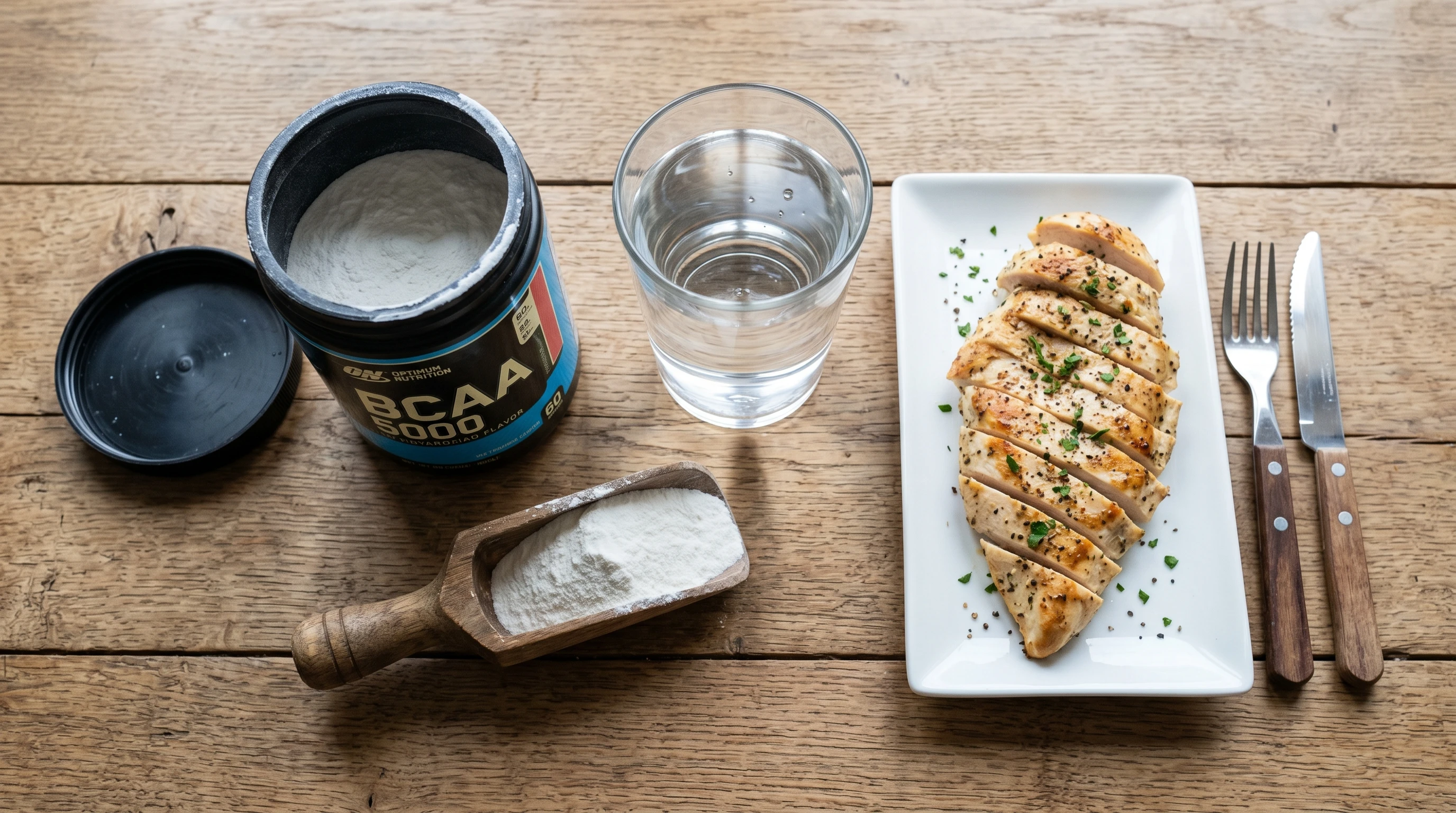
- Chicken and other poultry: Grilled, roasted, or even in a stir fry, poultry is a top source of all three BCAAs.
- Beef: Steak, ground beef, or lean roasts bring a solid dose of all essential amino acids.
- Eggs: Scrambled, hard boiled, or baked into a casserole, eggs are a go-to protein plus a reliable BCAA source.
- Fish: Salmon, tuna, and white fish all pack plenty of BCAAs, along with healthy fats.
- Dairy: Cheese, milk, Greek yogurt, and cottage cheese are all solid choices.
- Plant based proteins: Lentils, chickpeas, nuts, and seeds do have BCAAs, but usually in lower amounts than animal sources. Soybean products like tofu and tempeh lead the pack for plant eaters.
If you already eat a variety of these foods, you might be covered for your daily BCAA needs. People with higher physical demands or unique dietary restrictions sometimes use supplements just to top things off. Remember, a well balanced meal plan with a mix of these foods often provides ample BCAAs, making supplements more of a situational tool rather than a universal necessity.
BCAAs in Real World Use: What I’ve Learned
After checking out lots of studies, here’s what I find most useful about BCAAs:
- They offer quick digesting support for people who don’t always have time to eat before or after training.
- During fasted workouts, BCAAs keep energy up and soreness down.
- BCAAs can be handy for plant based athletes who find it tough to hit their protein targets from food alone.
- On cut phases or calorie restricted diets, they help hang onto muscle even when energy gets low.
I like to keep things simple; if you eat enough quality protein and time your meals well, extra BCAAs might not be absolutely needed. But in situations where you’re pushing your limits or missing balanced meals, a scoop or two can be super handy. Remember, BCAAs are not a miracle but can fill specific gaps that pop up because of busy schedules or unique diets.
I’ve also noticed that using BCAAs can be a psychological boost—once you begin a ritual around supplement use, it can make you feel more prepared for a tough workout. Sometimes, even just sipping your BCAA-infused water can set the mood for a focused training session.
Common Questions About BCAAs
Question: Should I take BCAA supplements if I get enough protein from food?
Answer: Most people who eat enough protein rich foods get plenty of BCAAs already. Supplements are more helpful if your meal timing is tricky or your diet is limited. If you’re on a vegetarian or vegan diet, supplements can make things easier as well.
Question: Are BCAAs safe for daily use?
Answer: For most healthy adults, BCAA supplements are considered safe when used as directed. But it’s always smart to follow label instructions and talk to your doctor if you have any medical conditions. Taking very high doses or neglecting balance with other key amino acids isn’t advised, but the amounts in most reputable products are within safe limits.
Question: Do BCAAs help with weight loss?
Answer: They don’t burn fat, but they can help prevent muscle loss during calorie cuts and make dieting a little more comfortable by reducing fatigue and soreness. Including BCAAs while cutting calories might also help you stick to your workout habits by making you feel less run down or sore.
Understanding BCAAs and the best time to use them is really about knowing your own goals and routine. Whether you stick with whole foods or rely on a bit of powder to fill the gaps, BCAAs are another tool you can use to support your performance and recovery ride. With a little experimenting, you can figure out if they fit your needs—or just stick to protein-rich meals and enjoy the natural benefits. Either way, you’ll be fueling your active lifestyle more confidently.