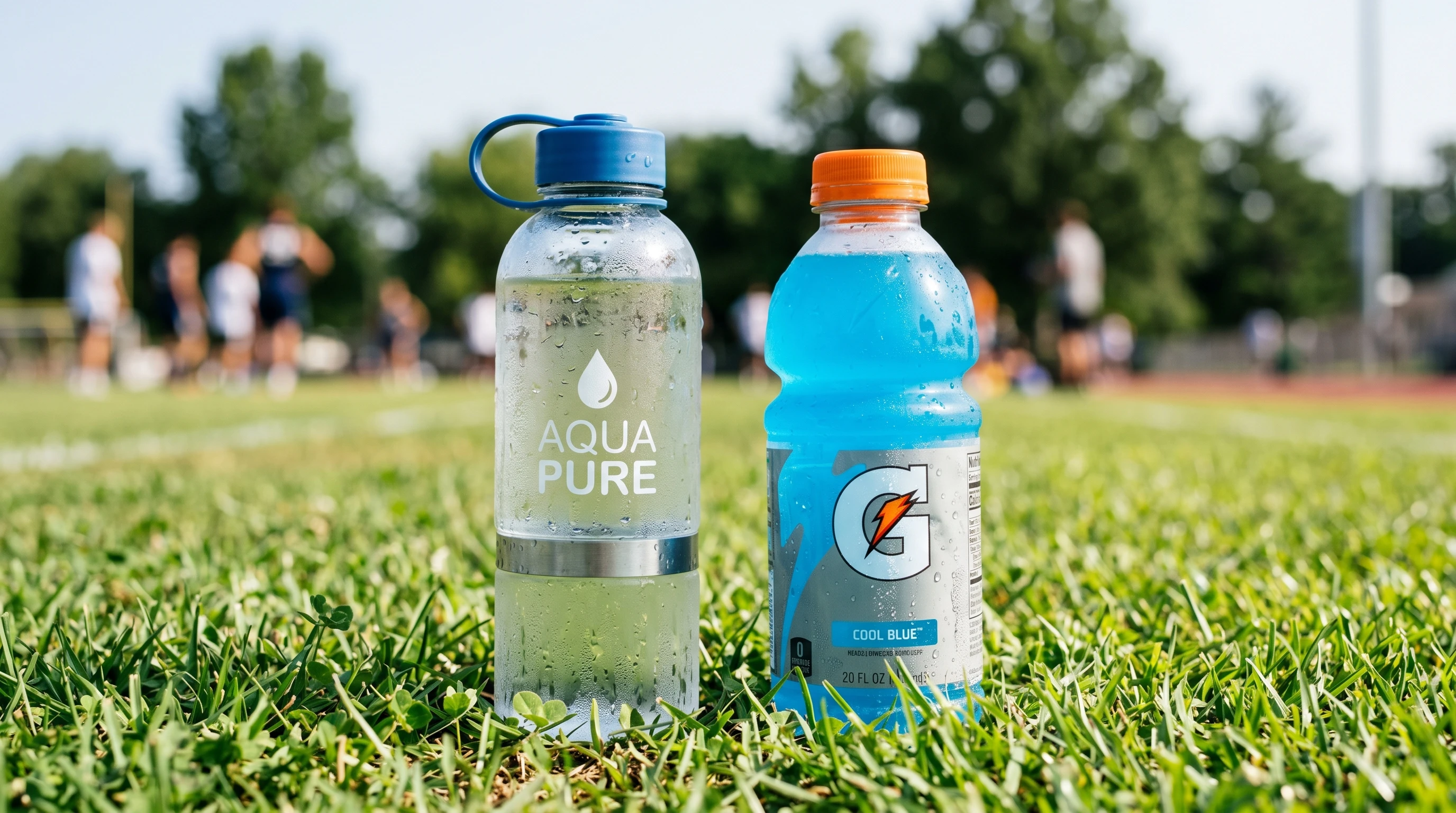
Deciding between water and sports drinks has probably crossed your mind if you’ve ever run a race, played team sports, or even just broken a sweat at the gym. Staying hydrated makes a big difference for energy, performance, and how you feel during and after activities. Both have their perks, but they work best in different situations. I’ll share how each option can help and break things down, so you know exactly which drink is right for you and when.
“Here’s a little transparency: This post contains affiliate links. This means if you click and make a purchase, I may receive a small commission. Don’t worry, there’s no extra cost to you. It’s a simple way you can support my mission to bring you quality content.”
Why Hydration Matters for Everyone
Water is a top need for every cell and system in your body. It keeps you cool when you’re sweating, helps maintain blood flow, and even gives a boost to your energy levels by helping move nutrients through your body. Losing too much water while sweating, whether from busy work days, sports, or just being outside in the heat, can make you feel tired, crampy, and foggy.
Sports drinks are marketed as a way to keep your body performing at its best, especially during long or intense exercise. These drinks typically have water, sugars, and electrolytes like sodium and potassium. The point is to quickly replace what’s lost through sweat.
Understanding which is better comes down to what you’re doing, how long you’re doing it, and your personal health needs. Keeping hydration simple is helpful, but I think it’s worth knowing which option comes out on top, and in which situations.
Basics of Water and Sports Drinks
You don’t need a science degree to see that water is the default choice for most people. It’s calorie-free, available pretty much everywhere, and doesn’t upset your stomach for most folks. Water works perfectly if you’re not losing lots of sweat for long periods.
Sports drinks, like Gatorade or Powerade, contain a mix of carbohydrates (in the form of sugars) and electrolytes. The point is rapid replacement. If you’re sweating heavily for an hour or more, especially outside in the heat, a sports drink helps prevent dehydration and muscle cramping. I usually opt for plain water on short or easy workouts, while a sports drink comes out only for the hard stuff like long runs or summer tournaments.
- Water: Hydrates your body and regulates temperature, supports digestion, and helps transport nutrients.
- Sports Drinks: Add quick carbohydrates for energy, and replace electrolytes that help the muscles and nerves work smoothly.
When to Choose Water or Sports Drinks
Picking between water and sports drinks is mostly about how much you’re sweating and for how long. Here’s how I usually decide:
- Short Workouts (under an hour): Water handles these easily, whether you’re lifting, biking, walking, or at yoga. You don’t need anything extra unless you’re sweating buckets in crazy heat.
- Heavy or Long Exercise (over an hour): If you’re sweating a ton or working out for a long time, especially outside, sports drinks can be helpful. They top up your carb supply and replace salt lost in sweat.
- Everyday Hydration: If you’re just relaxing, at your desk, or running errands, water is perfect. Sports drinks add sugar and calories you probably don’t need if you’re not burning a lot of energy.
Pros and Cons of Water
Water comes with some pretty obvious upsides. You won’t get hidden sugars, artificial dyes, or sweeteners. It’s also cheap and easy to get, whether you’re filling up at a fountain or cracking open a bottle. Here are some things I find worth paying attention to:
- Pros:
-
- Zero calories and no sugar
- No artificial flavors or colors
- Great for teeth (no acidity or sugar to cause decay)
- Supports all day hydration
- Cons:
-
- No extra electrolytes, doesn’t help much with major sweat loss in intense sports
- No carbs for quick energy if you’re really pushing it for long stretches
Pros and Cons of Sports Drinks
Sports drinks get attention because they make big promises about boosting performance and hydration. They can help, but that comes with some trade-offs.
- Pros:
-
- Replace potassium, sodium, and sometimes magnesium lost in sweat
- Add quick energy from carbs (sugar)
- Useful for endurance sports or high heat workouts
- Cons:
-
- Extra sugars can lead to weight gain if used when not needed
- Acidity and sugar may hurt dental health over time
- Artificial flavors or dyes in some brands
Common Ingredients in Sports Drinks
- Carbohydrates: Usually comes in the form of sugar or glucose. Delivers immediate energy
- Sodium: Helps your body retain water and supports muscle and nerve function
- Potassium: Balances fluid in the body and supports muscles
- Other Additives or Flavors: Some brands will add a mix of flavors or dyes
Are Electrolytes Really That Important?
Electrolytes aren’t just marketing buzz; they’re needed for things like muscle contractions and keeping fluid balances steady. If you lose a lot of sweat, especially with salty sweat stains, you might start to feel muscle cramps, headaches, or sluggishness. That’s a sign that replacing sodium and potassium could help.
If you’re a recreational athlete or just want to stay comfortable on a hot day, most people get enough electrolytes from a typical balanced diet and everyday drinks. Sports drinks really shine in marathons, long soccer matches, or similar scenarios. If in doubt, go with water most of the time, and keep sports drinks handy for those all out days.
Potential Pitfalls and Smart Choices
Major sports organizations have weighed in on hydration strategies. The American College of Sports Medicine suggests using sports drinks for exercise that’s vigorous, lasts over an hour, or when rapid rehydration is needed. For everyone else, water does the job. If you’ve got diabetes or are watching calories, sports drinks could bump your sugar levels unless carefully tracked.
Parents sometimes grab sports drinks for kids just playing in the yard or at afterschool activities, but the American Academy of Pediatrics says water is usually the better choice. The extra sugar isn’t good for developing teeth or waistlines unless the activity is especially grueling.
Extra Hydration Tips
- Keep a water bottle close; reminders help you drink consistently all day
- Check your urine color. Pale yellow is what you’re aiming for (darker means drink more)
- If you sweat really heavily or do multiple sessions in a day, talk with a doctor or registered dietitian for custom hydration strategies
- Try coconut water or DIY hydration mixes with a pinch of salt and a splash of juice if plain water gets boring
Frequently Asked Questions
Here are some questions I often hear about hydration, especially during active days.
Question: When might I actually need a sports drink?
Answer: Most people only need a sports drink during back to back workouts, long races, or extended activity in hot weather. These drinks aren’t needed for quick trips to the gym or casual walks.
Question: Can I drink too much water?
Answer: It’s rare but possible. Overhydration, or hyponatremia, can dilute your blood sodium. Listen to your body, drink when thirsty, and adjust if you notice swelling, headaches, or confusion. This is more likely if you drink huge amounts during marathons without replacing electrolytes.
Question: Are there healthy alternatives to commercial sports drinks?
Answer: Yes, you can mix your own by adding a pinch of salt and a splash of 100% fruit juice to water – I like using freshly squeezed lemon juice. Coconut water is another good option for light electrolyte support, though it doesn’t have as much sodium as sports drinks, so it’s better for shorter or less sweaty sessions.
Quick Guide: Which to Pick for Your Needs
- Normal Day/Light Activity: Water is always the way to go
- Moderate Workout (up to 60 min): Water stays the top choice
- Intense or Long Workouts (over 60 min): Consider a sports drink if you’re sweating a lot
- Hot/Humid Weather: Sports drinks are handy but can be swapped for water plus a salty snack
- Kids and Teens in Sports: Water in most cases, sports drinks just for long tournaments or back to back games
Hydration doesn’t have to be confusing. Water fits almost every need, but sports drinks make sense during intense or lengthy workouts when you’re losing a good amount of salt and fluids. Paying attention to your body, how long you’re active, and how much you sweat will guide you toward the best option every time.
Making smart drink choices can really help you feel better, recover faster, and get more from every workout or game. Stick to water most of the time, bring out sports drinks when the sweat is pouring, and you’ll stay one step ahead.