The keto diet pops up in conversations everywhere, especially in fitness groups and among athletes looking to tweak their nutrition for better results. I’ve spent time researching and even trying out keto myself, so I’m here to break down how keto blends with athletic performance. There’s a lot of buzz around whether cutting out most carbs helps or hurts your game, so I’ll clear things up and give practical and honest answers for athletes interested in this lifestyle.
“Here’s a little transparency: This post contains affiliate links. This means if you click and make a purchase, I may receive a small commission. Don’t worry, there’s no extra cost to you. It’s a simple way you can support my mission to bring you quality content.”
What Can You Actually Eat on Keto, and What’s Off the Table?
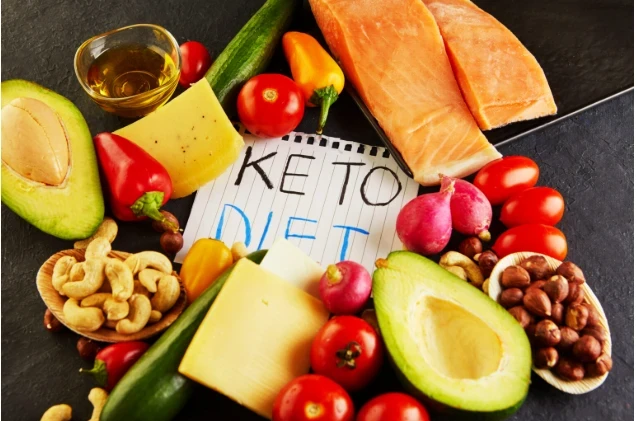
Following a proper keto diet means your meals center on very low carbs, plenty of healthy fats, and a solid amount of protein. The big idea is to get your body using fat for fuel instead of carbs, dropping you into ketosis—a metabolic state that changes how your body produces energy. Here’s a straightforward list for anyone new or still figuring it out:
- Allowed Foods: Fatty fish (like salmon, sardines), eggs, meat, poultry, full-fat dairy, nuts and seeds, healthy oils (olive, avocado, coconut), avocado, olives, and non-starchy vegetables (spinach, zucchini, peppers, broccoli).
- Forbidden Foods: Any form of sugar, grains (rice, wheat, oats), bread and baked goods, most fruits except berries (in moderation), starchy veggies (potatoes, corn, carrots), processed snacks, and sugary beverages.
This means classic sports snacks like bananas, granola bars, or sandwiches are out. Instead, think eggs, cheese, nuts, or sliced turkey as your go to workout fuel if you’re sticking with keto. It can seem restrictive, but with a little creativity, you can build filling, energizing meals that still fit the keto mold. Some athletes experiment with keto versions of sports drinks—adding electrolytes and natural flavor to water—especially if they’re training hard.
How the Keto Diet Impacts Athletic Performance
Does ketosis actually improve athletic performance, or does it slow things down? The answer depends on the kind of sport you’re into, how strict you are with the diet, and your own metabolism.
Endurance Sports: Activities like long distance running, cycling, or hiking might actually see some boost from keto after an adaptation period. Once your body is used to burning fat instead of carbs, some folks find they hit fewer energy “crashes” and don’t get hungry as often. Your glycogen stores (the carb fuel in your muscles) aren’t as full, but your fat stores are nearly endless; good news for ultra endurance runners and cyclists.
High Intensity & Power Sports: Keto usually isn’t the diet of choice for sprinters, Olympic lifters, or competitive CrossFit athletes. Quick bursts of energy use glycogen, which comes from carbs. Without plenty of those, muscle fatigue can kick in faster than you’d want. Some people train their bodies to perform well without loads of carbs, but it takes time and dedication, and not everyone likes how it feels.
There’s decent research showing that athletes on keto maintain their aerobic (endurance) capacity but might see lower results in max strength and power. [Reference: NIH Review on Ketogenic Diets]
On top of the basic pros and cons, hydration status really matters while you’re on keto. Because your body flushes more water, watch out for dehydration and take steps to replace lost fluids. Adding a bit more salt to your food can make a difference, as can drinking water throughout your workout routines.
>>> Click here for all essential ketones needed for peak performance and mental clarity.
Building Muscle on Keto: What You Need to Know
If bulking up is your main goal, keto requires a bit more strategic planning than a traditional high carb diet. Protein is important for muscle growth, but you still need enough fats to stay in ketosis—going overboard on protein can nudge your body out of that state. Many athletes on keto find it harder to build muscle quickly compared to carb heavy eating, simply because insulin (which spikes more with carbs) is involved in muscle building.
That said, plenty of people do gain muscle on keto; it just may happen at a slower pace. You’ll want to track your daily protein intake carefully, stick to resistance training routines, and consider taking supplements like creatine or branched chain amino acids if your coach or nutritionist recommends them. Recovery times might be longer for some people, so add in rest days and listen to your body.
For best results, focus on muscle recovery by planning rest intervals and stretching sessions, using foam rollers or massage therapy, and getting enough sleep. These steps help keep injuries low while your body navigates a low carb, high fat energy system. If you feel stuck or weak, it could be worth exploring cyclical keto, where you boost your carb intake for a short time each week to encourage muscle repair.
Common Mistakes Athletes Make on a Keto Diet
Keto isn’t just about ditching bread; it changes how your whole body works. After working with athletes and talking to sports dietitians, here are the biggest trip-ups I’ve seen:
- Jumping in Too Fast: Some folks get excited and cut carbs overnight. That “keto flu” (low energy, headaches, brain fog) can knock you down if you don’t transition slowly.
- Not Getting Enough Electrolytes: Keto flushes water and salts from your body, so you’ll need extra sodium, potassium, and magnesium. If you skip these, you might get cramps, fatigue, or that flat out tired feeling.
- Eating Too Little: Keto foods can be super filling, but if your calories drop too low, you’ll lose muscle and feel weak. Athletes especially need to keep an eye on energy intake to support their training.
- Neglecting Recovery: Tough workouts drain you more if you aren’t refilling glycogen. Without smart recovery habits, your training can suffer.
- Forgetting About Carbs for Key Events: Some athletes benefit from “targeted keto,” where they eat small amounts of carbs before intense workouts or competitions without fully leaving ketosis. Completely avoiding carbs might be the wrong call for short bursts and high output activities.
Another mistake many athletes make is not updating their food choices as their training load changes. When you ramp up your workout intensity or length, you might need to increase your fat and protein. Skipping this can make you feel constantly tired and hinder your progress.
Which Athletes Get the Most Out of Keto?
Not every sport matches up with keto, but for a few athletic groups, this lifestyle can be pretty handy; especially once your body adapts to the diet.
- Endurance Athletes: Runners, cyclists, and ultra endurance athletes sometimes find lasting energy and easier weight management on keto. It’s easier for them to rely on fat metabolism over the long haul instead of midrace gels or frequent snacks.
- Combat Athletes: MMA fighters, boxers, or wrestlers who need to make weight may use keto before weigh ins to drop extra water weight. They often add carbs back in for performance as the fight approaches.
- Recreational Sports Lovers: People who hike, walk, or do moderate intensity activities may also notice improved body composition and stable energy across long sessions.
If your sport depends on explosive power or repeated sprints, keto may not match up with your maximum potential, unless you’re doing targeted or cyclical versions of the diet (periodic carb ups to refill glycogen stores). Sports with a strong focus on technique, balance, or flexibility might not see direct performance differences on keto, but could benefit from the stable energy levels and weight control this plan offers.
Practical Tips for Athletes Thinking About Keto
Switching to keto as an athlete isn’t something to jump into on a whim. Here are some practical moves to start off right:
- Plan an Adaptation Period: Give yourself three to six weeks for your body to adjust before any major events or competitions.
- Get Lab Work Done: Checking in with your doctor lets you track cholesterol, thyroid, and kidney function. This is especially helpful for athletes training hard on a new eating plan.
- Track Macros: Use an app or old school notebook to track how much fat, protein, and carbs you’re taking in. Consistency is really important.
- Add in Electrolytes: Pick up a quality electrolyte supplement or sprinkle extra salt on your food, and eat potassium rich keto veggies (like spinach and avocado).
- Monitor Performance: Keep notes on energy, recovery, and training PRs. Adjust food intake or carb timing if something feels off.
Experts also encourage mixing up your exercise routines to see how your body adapts to different stresses while on keto. Trying intervals, long sessions, and low intensity workouts can provide useful feedback for personalizing your approach. Talking to a registered dietitian or sports nutritionist who gets keto is always helpful if you want detailed, sport specific support.
Frequently Asked Questions
Here are some of the questions I hear most as athletes think about keto:
Question: Can you exercise while you’re just starting keto?
Answer: Yes, but your energy might dip for a few weeks. Keep workouts light at first and ramp up intensity as you start feeling more normal.
Question: Are cheat days okay on keto?
Answer: A single high carb day usually knocks you out of ketosis. For athletes, careful “carb cycling” or “targeted keto” usually works better than total cheat days.
Question: What’s the best snack before training?
Answer: Handful of macadamia nuts, hardboiled eggs, cheese sticks, or homemade fat bombs are all solid keto friendly choices.
Question: Do you need supplements on the keto diet?
Answer: Sometimes. A good multivitamin, magnesium, sodium, potassium, and omega3s help fill in any gaps. Some athletes also take MCT oil for quick energy boosts during workouts.
Bottom Line on Keto and Athletic Performance
Keto can fit with athletic lifestyles; especially for endurance or combat sports if you’re willing to plan things out and give it time. You’ll want to pay close attention to your body’s signals, handle electrolytes, and adapt your nutrition around your specific needs and training routines. Keto isn’t a miracle shortcut, but it can be a fresh approach to fueling your fitness adventure if the traditional high carb method isn’t working for you.
If you’re on the fence, try a short term experiment with keto during the offseason, and keep a training log to see how your body responds. Careful prepping and staying flexible make all the difference for athletes who want to get the most out of a specialized diet like keto. Remember, every athlete is different; what works for one might not work for another, so listening to your body and tracking your responses is key to long term success.