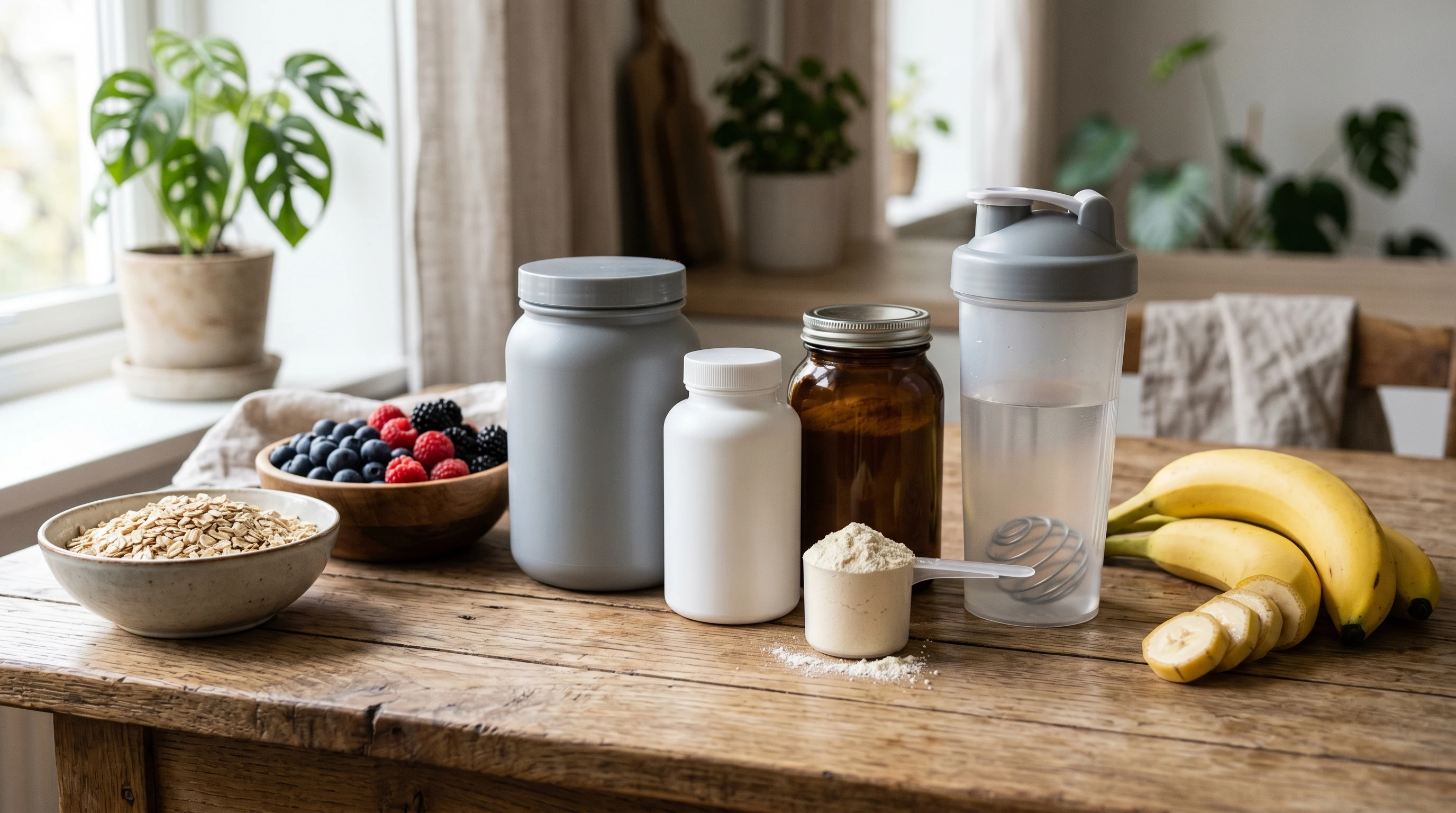
Getting back on your feet after a tough workout is just as important as the training itself. Recovery supplements can give athletes that extra boost by helping the body manage soreness, repair muscles, and bounce back faster. If you’re wading through shelves of powders, pills, and drinks wondering where to start, I’ve put together this guide to break down the essentials for you. Here’s everything you need to know to make choices that match your training needs and goals.
“Here’s a little transparency: This post contains affiliate links. This means if you click and make a purchase, I may receive a small commission. Don’t worry, there’s no extra cost to you. It’s a simple way you can support my mission to bring you quality content.”
Why Recovery Matters for Athletes
Recovery isn’t just about feeling better; it’s actually a key piece of making real progress in any sport. When you train hard, your muscles break down a bit, and your energy stores dip. Recovery is when your body rebuilds itself even stronger, gets set up for your next workout, and protects against injury. That’s why a solid plan for rest, nutrition, and supplements makes a difference, especially if you’re training daily or pushing yourself with competitions.
Protein shakes, BCAAs, or magnesium – these show up in pro locker rooms and home gyms for a reason. Science backs up a bunch of recovery supplements, but everyone’s body and training habits are a little different. Choosing what really works is all about matching supplements to the kind of training you do, how intense your routines are, and what your overall health looks like.
Getting Started: How to Choose Recovery Supplements
If you’re new to recovery products, the options can seem endless. Sorting out what you actually need comes down to understanding some basics about how these supplements work and what your own training demands from your body.
- Protein: The building block for muscles and a mainstay for athletes who want to get stronger or quicker.
- Branched-Chain Amino Acids (BCAAs): Leucine, isoleucine, and valine help with muscle repair and reducing soreness.
- Electrolytes: Essential for keeping your body hydrated and your muscles functioning after you sweat a lot.
- Magnesium: Known for helping with muscle cramps and supporting over 300 biological reactions in the body.
- Omega3 Fatty Acids: Assist in decreasing exercise related inflammation and stiffness.
- Creatine: Not just for muscle gain, it also gives a boost to quick post workout muscle recovery.
When deciding which to try, think about your training type, usual diet, and any challenges you notice after you work out, like frequent cramps or slow recovery times.
Top Recovery Supplements Worth Checking Out
Here are some common recovery supplements you’ll see at health stores and gyms, along with what they actually do for your body. I’m breaking them down so you know exactly what you’re getting.
- Whey Protein: Easily absorbed, perfect right after workouts. Great for strength athletes and runners alike.
- Casein Protein: Slow release, best before bed to help muscles rebuild while you sleep.
- BCAAs: Can be taken before, during, or after a workout. They target muscle fatigue and soreness pretty well for high intensity training.
- Electrolyte Blends: Ideal after heavy sessions where you sweat a ton. Think hot days or long races.
- Magnesium: Supports muscle relaxation and can help you sleep better, a nice bonus for hardworking athletes.
- Omega3 Supplements: Found in fish oil and algae oil, they’re easy to add in if you don’t get much fatty fish.
- Creatine Monohydrate: Known for muscle performance and quicker recovery between strength sessions.
How to Use Recovery Supplements Safely
Adding recovery supplements to your routine can really give a boost, but it’s important to use them the right way. Following package directions is a start, but listen to your body and avoid taking more than you need. If you have any health conditions or take regular medications, ask a healthcare provider before trying new products. Stacking too many supplements without a plan usually wastes money and sometimes backfires, so focus on what’s actually going to help your goals.
A few practical tips:
- Pair supplements with whole foods, don’t use them to replace balanced meals.
- Space out your intake depending on your workout schedule (for example, protein right after exercise, magnesium at night).
- Keep an eye out for blends that pack in fillers or unnecessary extras. Sometimes plain powders work best.
Common Challenges and How to Manage Them
Supplements can be super useful, but there are a couple of things to look out for when adding them to your routine.
- Digestive Upset: Too much protein or some electrolyte blends might bother your stomach. Splitting your dose or trying different forms (powder, ready to drink, capsules) can help.
- Confusing Labels: Look for third party certifications like NSF Certified for Sport or Informed Sport to make sure you’re getting the good stuff, not hidden ingredients or spiked formulas.
- Overlapping Ingredients: Double check labels to avoid getting mega doses. For example, many pre-workout and recovery blends have added BCAAs, so taking extra might not be necessary.
Quality & Transparency
Going with well known brands that provide batch testing is always a safe bet. Many top selling supplements put their test results online, which is a pretty good sign that the company stands behind what it’s selling.
Listening to Your Body
If you find you’re feeling off after adding a new supplement, stop for a bit and see how you feel. Everyone responds a bit differently. What works for one person may not help you the same way.
Tips for Boosting Recovery Without Supplements
Supplements play a role, but recovery isn’t all about powders and capsules. Building good habits around sleep, hydration, and food will get you further than any single pill.
- Real Food First: Aim for whole foods like lean meats, beans, fruit, and veggies as your main recovery sources. Supplements fill in gaps, not replace meals.
- Drink Enough Water: Hydration speeds up all recovery processes in your body. Adding a pinch of sea salt or using low sugar hydration mixes can help on extra sweaty days.
- Cool Down & Stretch: Gentle movement post-workout can reduce muscle soreness and help you bounce back quicker.
- Consistent Sleep: Muscle repair and growth happen while you’re asleep. A regular routine gives your body the best shot at real recovery.
Combining these basics with the right supplement habit helps you get the most out of your training with fewer setbacks.
Frequently Asked Questions
Question: Are recovery supplements safe for everyone?
Answer: For most healthy adults, basic recovery supplements like protein powders, BCAAs, and electrolytes are safe when used as directed. Anyone with kidney, liver, or heart issues should check with a doctor first.
Question: How soon after training should I take recovery supplements?
Answer: There’s a lot of talk about the “anabolic window,” but recent studies suggest you have a longer window than once thought, usually up to a couple hours after exercise. A protein rich snack or shake within 30 minutes to an hour is a popular approach.
Question: Can I use recovery supplements on rest days?
Answer: Yes, they can support ongoing muscle repair, but focus on food based recovery most days. On intense training blocks, using protein or magnesium on rest days helps prep your body for the next workout.
Bringing It All Together
Finding the right recovery supplements comes down to understanding your training, listening to your body, and starting simple. Stick to the most researched, basic options like protein powder, magnesium, and electrolytes if you’re just starting out. Keep good habits around sleep, hydration, and real food, and use supplements as a bonus tool rather than the centerpiece of your routine. With consistency, you’ll notice better results, less soreness, and more energy to hit those athletic goals. For athletes aiming to step up their performance and cut down on downtime, the smart use of these supplements—combined with balanced habits—is a formula that can really hold up over the long term.