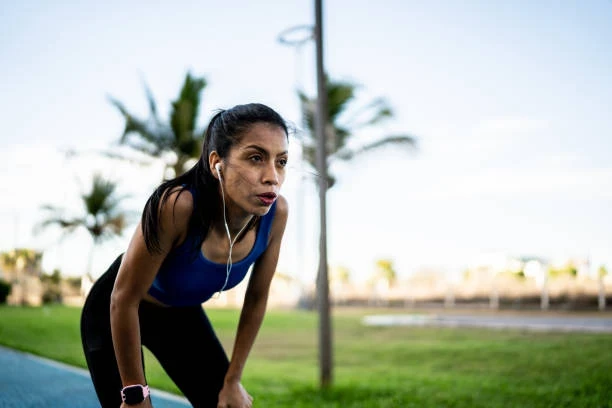
Staying hydrated during workouts isn’t just good advice; it’s actually really important for keeping up your energy and feeling your best. Dehydration can sneak up on you, and sometimes the signs aren’t obvious until your performance drops or you start feeling off. I’ve had plenty of runs, hikes, and gym sessions where I realized a bit too late I needed more water. Knowing how to spot the signs your body sends makes a huge difference, especially if you want to get the most out of every workout.
“Here’s a little transparency: This post contains affiliate links. This means if you click and make a purchase, I may receive a small commission. Don’t worry, there’s no extra cost to you. It’s a simple way you can support my mission to bring you quality content.”
Why Water Matters for Your Workout
Water isn’t just something you chug when you’re thirsty. It’s what helps your muscles move, keeps your joints lubricated, and helps your temperature stay in check when you’re sweating up a storm. Without enough, your whole system starts to feel the strain, not just physically, but mentally too.
Even a small amount of dehydration (like just 1-2% less water in your body than normal) can make your heart work harder, slow your reaction time, and leave you feeling tired a lot sooner. For folks working out in the heat or pushing through long endurance sessions, the need for water goes even higher. Everyone—including athletes—should keep an eye out for dehydration, not just people who are extremely active.
How Dehydration Affects Performance
Working out causes your body to sweat, which cools you off. But with that sweat, you’re losing not just water but also electrolytes like sodium and potassium. If you don’t replace these with fluids, you’ll likely see your performance take a hit.
- Lower endurance: Dehydration makes exercise feel tougher, and you might notice you can’t go as far or as hard as usual.
- Muscle cramps: Losing water and electrolytes can cause uncomfortable or even painful cramps during your workout.
- Slower recovery: Without enough fluids, your body can take longer to bounce back between sets or after a hard session.
It’s clear that paying attention to hydration offers big returns when you’re active.
Clear Signs You Need More Water During Workouts
Your body usually offers warning signs that you’re not keeping up with fluid loss, though it doesn’t always tap you on the shoulder and make it obvious. Here’s what I watch for, both in myself and my workout partners:
- Thirst: The most basic signal. If you’re already thirsty, you’ve started to reach a moderate level of dehydration. Don’t wait for this urge to get strong; sip as you go!
- Dry mouth and cracked lips: You might feel your mouth getting sticky or your lips chapping during longer sessions.
- Dark yellow urine: You won’t spot this mid-run, but if your pee is darker than pale yellow before or after your workout, it’s a classic sign you need more fluids.
- Fatigue that comes on quickly: Feeling like your energy disappears out of nowhere? That’s usually a strong cue to drink up.
- Headache or dizziness: These are bigger red flags. Feeling lightheaded or like you’re getting a headache during activity usually means your hydration is off.
- Loss of focus: Trouble concentrating or forgetting your next exercise? Dehydration brings on fogginess, not just sluggishness in your body.
- Muscle cramps or spasms: These can be dehydration or electrolyte-related. Water and sometimes sodium or potassium help here.
- Reduced sweat: If you’re working hard but not sweating as much as usual, it’s actually a sign your body lacks enough water to keep you cool.
Reasons You Lose Water More Quickly
Certain activities and conditions lead to faster dehydration. These are some situations where I notice I need more water than usual:
- High heat and humidity: Your sweat output rises, and water loss happens quicker, even if you don’t notice it right away.
- Longer or intense workouts: The harder you work, the more you sweat, so you need to replace more fluids.
- Heavy clothing or gear: Wearing extra layers or gear (like with some team sports) means you heat up faster and lose more fluids.
- Certain medications or health issues: Some medicines, like blood pressure pills, can make you dehydrate sooner.
Practical Ways to Stay Hydrated
Preventing dehydration doesn’t need to be complicated. I keep things simple and practical so staying hydrated feels like a normal part of my workout, not a hassle. Here’s what works for me and other active folks:
- Keep water close: Bringing a water bottle everywhere helps remind me to sip regularly instead of waiting till I’m parched.
- Use reminders: Setting phone alerts or using a fitness app can jog your memory until drinking becomes second nature.
- Monitor sweat rate: Weigh yourself before and after a workout to see how much water you lose, although not everyone needs to do this. Losing more than 2% of your body weight suggests you’re getting too dried out.
- Add electrolytes if needed: If you’re sweating buckets, like when marathon training or exercising on hot days, drinks with some sodium and potassium really help.
- Don’t overdo it: It’s rare, but drinking too much water at once can also be risky. Space your intake out during your workout.
Challenges That Make Hydration Tricky
- Busy workout schedules: Back-to-back classes or long training blocks might make you forget to drink. Planning breaks for water between activities makes a huge difference.
- Taste fatigue: Not everyone likes plain water. Add a splash of lemon or cucumber, or bring in a low-sugar sports drink, to break the boredom.
- Inconsistent routines: Mixing up your workout location or style makes it easy to forget your water bottle or misjudge your needs.
How I Adjust When I Notice the Signs
When I notice early symptoms, like a dry mouth or quick energy drop, I’ll sip water right away, even if it’s just a small amount. For headaches or cramps, I slow down, cool off, and drink more. If those signs stick around, I call it a day. It’s simply not worth risking it when your body is low on fluids.
Real-Life Situations and Hydration Tips
- Endurance athletes: Runners, cyclists, or soccer players benefit from planning hydration stops and practicing drinking while on the move.
- Hot gyms or outdoor sports: Using insulated bottles keeps drinks cooler and more inviting, making it easier to stay well-hydrated.
- Group workouts: If you’re sweating with friends or a team, set a “hydrate together” rule after each song, set, or break.
Many pro trainers recommend starting workouts already hydrated, which means sipping water regularly in the hours leading up to exercise instead of trying to catch up after you start moving.
Frequently Asked Questions
Question: How much water do you really need during a workout?
Answer: It depends! A general guideline is to drink about 7-10 ounces every 10-20 minutes of exercise, but everyone is different. Let your thirst and body signals lead the way.
Question: Is it okay to drink sports drinks instead of water?
Answer: If your workout lasts over an hour or you’re sweating heavily, a sports drink can help replace electrolytes lost with sweat. Just keep an eye on extra sugar if you’re not working out super hard.
Question: What about caffeine; does it dehydrate you while exercising?
Answer: Caffeine is a mild diuretic, but most research shows moderate amounts won’t make you lose much more water during exercise. Balance coffee or tea by drinking water too.
Wrapping Up: Hydration and Fitness
Having enough water during workouts isn’t something to leave up to luck. Being intentional about hydration, noticing the early warning signs, and building good habits into your routine keeps you feeling strong and helps you crush every session. No fancy tricks are needed; just pay attention, sip often, and listen to what your body says. Whether you’re working out for fun, health, or competition, staying hydrated is a super simple way to boost your performance and keep feeling great.