
Keeping your weight steady isn’t just about avoiding the latest diet trend or cutting out treats forever. For many people, weight maintenance boils down to finding a calorie routine that matches real-world habits and feels doable for the long haul. Managing calorie intake doesn’t need to be complicated, even though the internet is full of confusing info. Here’s a practical guide on setting up calorie intake strategies so you can maintain your weight without feeling like you’re tangled up in nutrition math or missing out on daily food enjoyment.
“Here’s a little transparency: This post contains affiliate links. This means if you click and make a purchase, I may receive a small commission. Don’t worry, there’s no extra cost to you. It’s a simple way you can support my mission to bring you quality content.”
Understanding Calorie Intake for Weight Maintenance
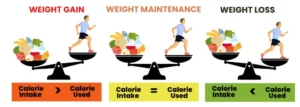
Calories fuel everything your body does; whether you’re running, walking the dog, or even just breathing. When talking about maintenance, I’m referring to balancing the amount of energy you burn with what you consume. Eat more than you need and your body stores the extra weight. Eat less and your body dips into reserves, which can lead to weight loss.
Most adults need somewhere between 1,800 and 2,800 calories per day, though your ideal number depends on age, activity, metabolism, and body size. The basics aren’t hard to grasp: maintain your weight by making sure your calorie intake matches up with what you use.
Figuring out your maintenance needs is a great jump-off point. Calculators like the National Institutes of Health’s Body Weight Planner can give a rough estimate, but paying attention to your hunger, energy, and weight changes is just as good. Over time, the scale will let you know if tweaking is needed.
Getting Started With Your Maintenance Strategy
Before jumping into meal plans or calorie tracking apps, it helps to get some foundational info about calories and why maintenance matters. Many people get tripped up by myths around metabolism or miracle superfoods. Successful maintenance is mostly about sticking to what works for your life.
- Basal Metabolic Rate (BMR): This is the calories your body burns at rest. This number is different for everyone and makes up the bulk of your daily calorie needs.
- Physical Activity: This covers exercise, but also things like walking to work or standing in the kitchen. The more you move, the more calories you use.
- Thermic Effect of Food (TEF): The small burst of energy your body uses to digest food. Protein rich meals boost TEF a bit more than carb or fat loaded ones.
Using these ideas, you can start to shape a simple game plan for what a normal eating day looks like and see where minor tweaks might help.
>>> Unlock your best physique with easy, macro-perfect meal prep.
Practical Calorie Intake Strategies That Actually Work
Here are some straightforward ways I’ve found really helpful for keeping calorie intake in check, minus the stress or endless tracking.
- Keep Routine Meals Consistent: Having similar breakfasts and lunches during the week can take the guesswork, and the tallying, out of your days.
- Use a Portion “Cheat Sheet”: Instead of weighing everything, try basic guides: your palm for protein, a fist for carbs, and a thumb for healthy fats.
- Snack Smarter: Pre-portion snacks like nuts or popcorn, instead of eating straight out of the bag. This keeps you aware of how much you’re eating and can help prevent mindless munching.
- Track for a Week (Then Relax): Track what you eat for a few days to spot high calorie surprises or easy chances to cut back. Apps like MyFitnessPal or Cronometer are pretty handy for a quick check, but you don’t have to use them every day.
- Fill Up on Fruits and Veggies: Loading half your plate with produce gives you volume and nutrients without a ton of calories. This makes it easier to keep up with your routine meal plan or calorie goal.
Trying these strategies together can give you a lot of awareness about your eating habits, often leading to easy maintenance without feeling restricted.
Things to Consider Before Setting a Calorie Target
Getting ready for success with weight management means thinking through some important details. I’ve come across these common bumps on my own ride, and sorting them out early makes everything more manageable.
- Individual Variation: The calorie numbers you’ll find on calculators or nutrition labels are just guesses. Sleep, stress, hormones, and muscle mass all affect how many calories you really burn in a day.
- Food Quality Matters: Calories from whole foods tend to keep you full longer than those from processed snacks or sugary drinks.
- Physical Activity Fluctuates: Some days you walk a lot or spend hours playing with your kids. Other times, you’re stuck at a desk. Adjusting calories up or down as your activity changes can help stop frustration with the scale.
- Hunger Signals: Learning to spot true hunger makes a huge difference. Sometimes a glass of water or a change of pace does the trick when you think you’re craving something.
Estimating Maintenance With Activity
For people who exercise regularly, adding 100 to 300 calories per hour of moderate activity can support your energy and help curb cravings. Fitness trackers or online calculators can give you a ballpark figure if you like being more precise.
Portion Awareness
Measuring everything can be a pain, but having a rough sense of portion size really helps in the long run. After a few weeks paying close attention, you’ll probably “just know” what a reasonable serving looks like for most foods.
Advanced Tips for Fine Tuning Your Calorie Routine
When you’re comfortable with the basics, these advanced tricks can help you maintain your weight without slipping into dieting traps.
Mix Up Meal Timing: Whether you like three main meals or prefer to spread your food out, the best plan is what keeps you satisfied. There’s no one-size-fits-all meal schedule, so match your routine to your work, sleep, and social life.
Add Protein to Every Meal: Protein helps you feel fuller and supports muscle. Aiming for a portion at each meal (like eggs, yogurt, tofu, chicken, or beans) makes it easier to cut back on cravings and lower your chances of overeating.
Plan for Flexibility: Life is unpredictable. When you have larger meals on holidays or at celebrations, bounce back by having lighter meals the next day, but don’t try to starve yourself. It usually causes a backlash and isn’t sustainable.
Regularly Check In With the Scale: Weigh yourself weekly at the same time and location. This isn’t about being obsessed; noticing trends (up, down, or holding steady) helps you make small, easy calorie tweaks. If your clothes feel different before you spot a change on the scale, that’s a heads-up too.
Real World Uses for Calorie Intake Strategies
Practical calorie management is not about perfection but about finding what fits your life. Folks with lots of walking or physically demanding jobs need higher calorie routines and may feel naturally hungrier. Office workers usually need fewer calories – small changes in snacks or portions can have a big effect. Eating with family, dealing with travel, or seasonal activity changes are all normal, and flexibility is key for maintenance.
- Athletes in Off Season: Lowering calorie intake a bit when your workouts drop can keep your weight steady and energy up.
- Parents: Simple, family friendly meals make calorie management less of a chore and more about building steady habits for everyone at the table.
- Shift Workers: Planning meals and snacks ahead can keep weird schedules from messing with your maintenance goals.
These practical tactics can make weight maintenance feel automatic, not like a never ending battle of “good” and “bad” days.
Frequently Asked Questions
People often ask about calorie intake and weight maintenance, so I’ve rounded up a couple of the most common questions.
Question: How do I know my calorie target is right?
Answer: If your weight has been steady for about a month and you’re not feeling tired or constantly hungry, your intake is probably just about right. Keep making tweaks based on how you feel and what the scale tells you.
Question: Is it okay to eat above my daily calorie needs sometimes?
Answer: For sure. Occasional over-indulgence is no problem. What matters is your average over time – a few days over won’t derail your progress.
Question: Will eating late at night cause weight gain?
Answer: Meal timing isn’t the big factor. It’s the total daily calories and your habits that matter most. If eating later helps you stick to a routine or works for your schedule, it’s fine.
Staying Consistent With Calorie Intake for Long Term Success
Weight maintenance does not have to feel restrictive or cause anxiety. Creating a routine that lines up with your lifestyle, budget, and personal tastes is the secret sauce. Trying out a few calorie intake strategies, paying attention to what truly works for you, and keeping things flexible leads to long term success. Small, doable changes always beat giant, unsustainable rules that you can’t wait to quit.
Learning your body’s signals for hunger, energy, and satisfaction makes calorie balance simple, and lets you stick with a routine that actually feels good for life. A little trial and error, mixed with a willingness to keep tweaking what you do, can make weight maintenance feel much more relaxed and second nature.