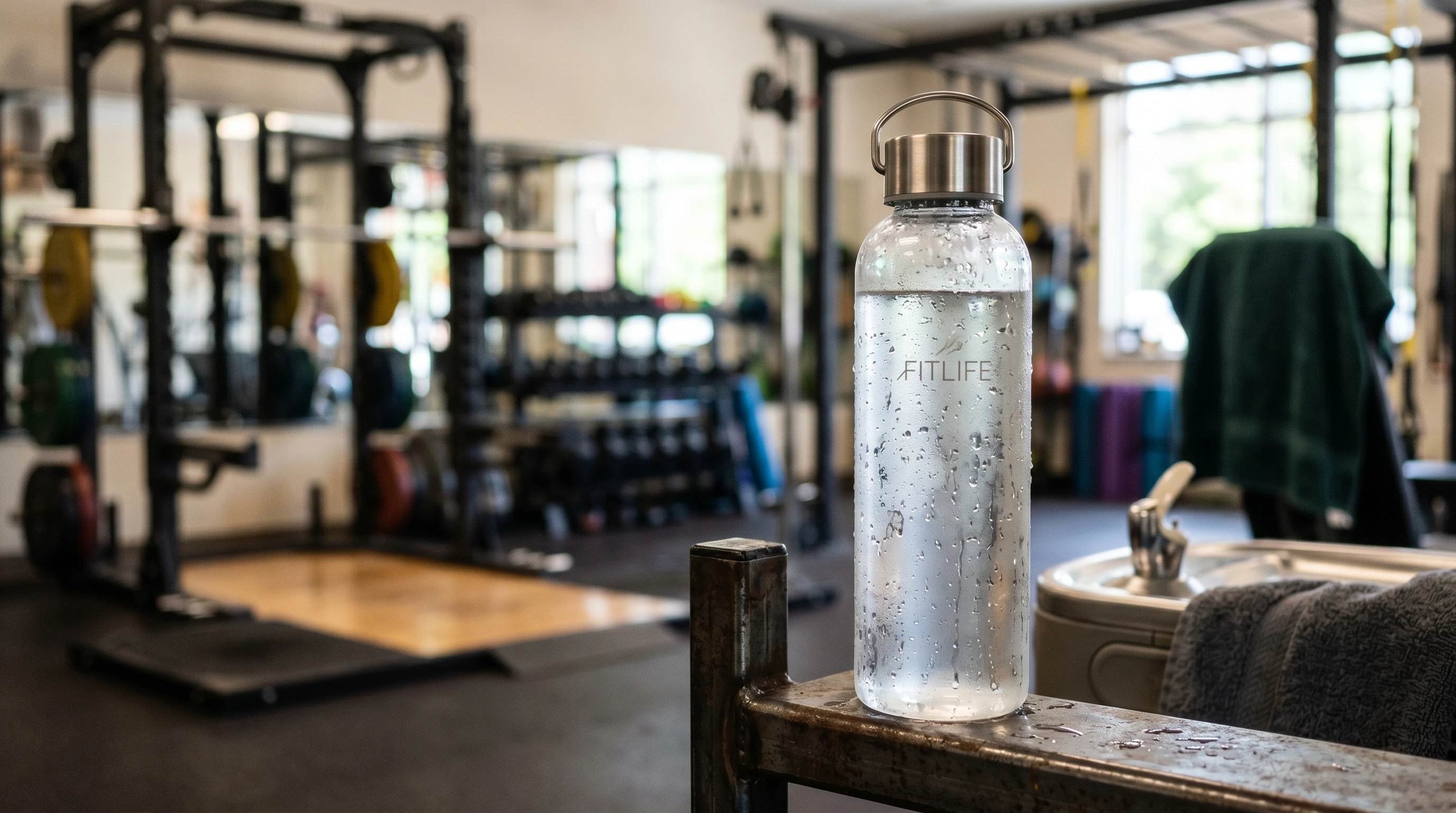
Staying hydrated during exercise can help boost performance and even make workouts feel easier. If you’ve ever finished a session feeling wiped out or headachy, you’ve probably felt the effects of not getting fluid intake right. Managing how you drink water or sports drinks before, during, and after exercise is pretty important for both comfort and health. Here, I’m breaking down how to time your fluid intake, so you can feel your best while you move.
“Here’s a little transparency: This post contains affiliate links. This means if you click and make a purchase, I may receive a small commission. Don’t worry, there’s no extra cost to you. It’s a simple way you can support my mission to bring you quality content.”
Why Hydration Timing Matters for Exercise
Your body is almost two-thirds water, and even a small drop in fluid levels can start to mess with energy, focus, and muscle function. Dehydration during workouts makes you more likely to feel fatigued, get cramps, or overheat. But too much water is also a problem. It can cause bloating, side stitches, or even something called hyponatremia (low blood sodium). So, it’s not just about drinking. It’s about when and how much you drink.
Your fluid needs depend on a few factors: how long and hard you exercise, the temperature and humidity, your body size, and how much you sweat. Getting the timing right can help keep your body temperature and heart rate stable, so you perform better and recover more quickly.
Pre-Exercise Fluid Intake: How to Prepare
Hydration starts before you lace up your shoes. Heading into a workout already thirsty or dehydrated is tough to recover from mid-session. Here’s how I make sure I’m ready to go:
- Drink 14–20 ounces (about 400–600 mL) of water 2–3 hours before exercise. This gives your body time to absorb what it needs and get rid of any extra.
- Consider a small top up of 7–10 ounces (about 200–300 mL) 20–30 minutes before exercise if it’s very hot out or you had a salty meal.
- Don’t chug a ton right before you start. Overloading your stomach can make you feel sloshy and uncomfortable as you move.
If you aren’t sure if you’re hydrated enough, check your urine color beforehand. Pale yellow usually means you’re in a good spot; darker means you might need more fluids.
How Much to Drink During Exercise
This is where timing really comes into play. How much you need to drink during exercise depends on how long you’re active, how much you sweat, and both the heat and humidity around you. Some general tips I go by:
- For short workouts (under 60 minutes): Sip water as needed, and most folks don’t need to gulp down lots unless they’re working really hard or it’s very hot.
- For long or intense sessions (over 60 minutes): Aim for 3–8 ounces (about 100–250 mL) every 15–20 minutes.
- Listen to thirst cues. But don’t always rely just on thirst if you tend to ignore it or you’re in a super hot setting—sometimes you can get behind.
If your session runs over an hour or is especially sweaty, drinks with electrolytes (think sodium and potassium) can help your body absorb and keep the fluids better than water alone. That’s where a sports drink or a homemade electrolyte mix can come in handy.
Post-Exercise Hydration: Replenishing What You Lost
After finishing up, your body is still working to cool itself, repair muscle, and get back to its usual balance. Rehydrating is part of this process, and it’s most important if you sweat a lot or exercised more than an hour.
- Drink about 16–24 ounces (about 500–700 mL) of fluid for every pound (0.5 kg) of body weight lost. Weigh yourself before and after longer workouts if you want to get a precise idea of what you lost.
- Urine should return to a pale yellow color within a few hours after exercise. If it stays dark, keep sipping fluids over the next few hours.
- Snacking on something with sodium (like soup or a handful of salted nuts) can help hold onto fluids and speed up rehydration.
You don’t need to force drink all your fluids at once; spreading it out over the first hour after your session is a comfortable way to get back to balance.
Other Factors That Affect Timing Your Fluids
Sticking to the basics helps, but sometimes conditions mix things up. Here’s what I pay attention to:
- Hot, humid weather: Sweat evaporates more slowly, so you may not realize how much you’re losing. Increase both frequency and total fluid intake, before and during exercise.
- Cold weather: You still lose fluids breathing and sweating, even if you don’t feel as thirsty. Carry water and sip regularly, just like you would in heat.
- High intensity or endurance sessions: You burn through more water and electrolytes. Fluid and sodium replacement becomes pretty important.
- Altitude: You breathe more rapidly, which can up your fluid loss. More frequent sips help, even if you don’t notice heavy sweating.
Also, caffeine and alcohol can speed up fluid loss, so take those into account, especially before big sessions or races.
Common Mistakes with Exercise Hydration Timing
I’ve made just about every hydration mistake there is, and I see a lot of other folks do the same. Here’s what to watch out for:
- Waiting until thirsty: Thirst is a lagging signal, especially during intense sessions. By the time you feel it, you might already be a bit behind.
- Gulping down lots of water right before or during exercise: This can cause stomach upset or even dilute your blood sodium (hyponatremia) if overdone.
- Not matching fluid intake to sweat loss: Some people sweat a lot and need more fluid than others doing the same workout.
- Forgetting post exercise hydration: Skipping recovery fluids slows down how fast you bounce back for your next workout.
Testing and Adjusting Your Personal Hydration Plan
Everyone’s sweat rate and fluid needs are a little different. Here’s how to figure out what works best:
- Weigh yourself before and after a workout (without clothes if possible), and subtract for any fluids you drank during. Every pound lost equals roughly 16 ounces (500 mL) of sweat lost.
- Keep a log for a week or so to notice patterns on sweaty versus cooler days.
- Adjust your pre, during, and post exercise fluids based on those numbers and how your body feels.
If you’re training hard or in extreme conditions, adjusting your approach every few weeks helps keep you on track as your body adapts. It also helps you spot patterns, such as needing more fluids in hotter months or when ramping up training intensity.
When to Choose Water vs. Sports Drinks
This part usually confuses people, but it’s pretty simple after a while. For most casual workouts under an hour, water is enough. If your session is longer, higher intensity, or in the heat, a sports drink can help replace lost sodium and carbohydrate fuel. Remember, water is perfect for gym sessions, light runs, or yoga. Sports drinks are more useful during competitive matches or endurance training, especially when sweat loss is heavy or sessions stretch beyond 60 minutes.
If you’re going for a short walk, sipping water is just fine. For soccer games, long runs, or bike rides over an hour, alternate with a drink that contains about 6–8% carbohydrate and 100–200 mg sodium per cup (240 mL) to help your muscles and nerves work better.
Frequently Asked Questions on Timing Fluid Intake Around Exercise
These are some of the questions I get asked all the time, and they’re important for anyone who wants to get hydration right.
Question: How do I know if I’m drinking enough before my workout?
Answer: A good sign is light yellow urine an hour before exercise. Thirst is also an okay guide, but if you’re unsure, stick to a routine of drinking 2–3 hours before your workout and topping up right before if needed.
Question: Can I drink too much during exercise?
Answer: Yes. Overdoing water without enough sodium, especially in long events, can be risky and lead to feeling dizzy or nauseated. Sip regularly, but don’t force water if you’re not thirsty or if your stomach feels too full.
Question: Are there signs that I am getting dehydrated during exercise?
Answer: Yes, keep an eye out for a dry mouth, dizziness, headache, dark urine after exercise, or heavy fatigue. If you have these symptoms, take a break in the shade and sip fluids slowly.
Question: What if I sweat a lot?
Answer: If you’re a heavy sweater, you’ll likely need to drink more, especially on hot days or during longer workouts. Weighing yourself before and after exercise can help dial this in. Adding a pinch of salt to your water or using a sports drink can help, too.
Key Takeaways for Simple and Smart Hydration
Drinking the right amount, at the right time, makes exercise more comfortable and lets you get the most out of your workouts. Pre hydration sets you up for success, sipping steadily during keeps you going, and post workout fluids speed up your recovery. Adjust your plan for weather, intensity, and your own sweat rate, and you’ll notice the difference in how you feel both during and after exercise. With just a little planning, hydration timing can become a smooth, helpful habit in your fitness routine.
To get the most benefit, make hydration a regular practice, not just an afterthought. Every athlete, whether a runner, cyclist, or gymgoer, can gain from listening to their body and refining their approach over time. Smooth the way for each workout by having fluids handy, and check in with yourself regularly regarding how you feel. With these tips, you’ll be able to spot your ideal level and timing of hydration, helping each exercise session feel just a bit easier.